A Look At American Red Earthenware And Stoneware Coin Banks
By Justin W. Thomas - September 25, 2026
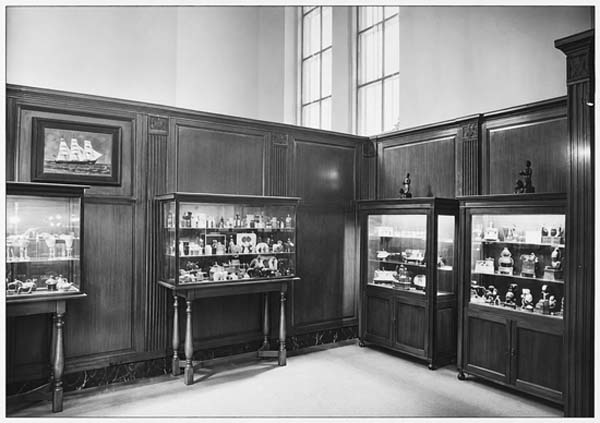
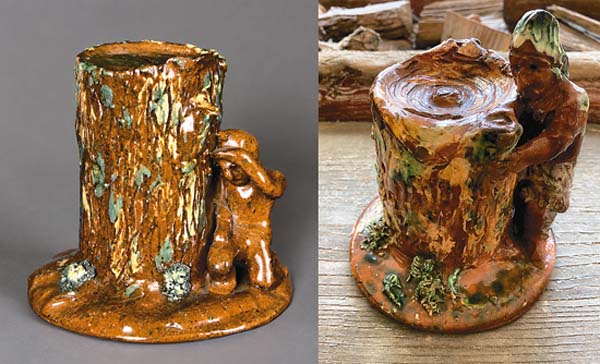
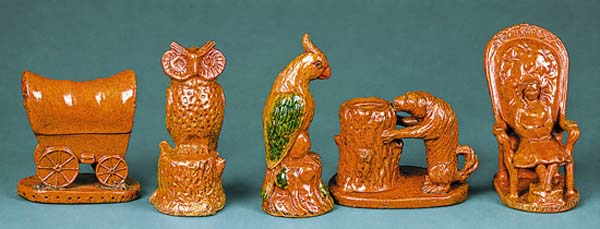
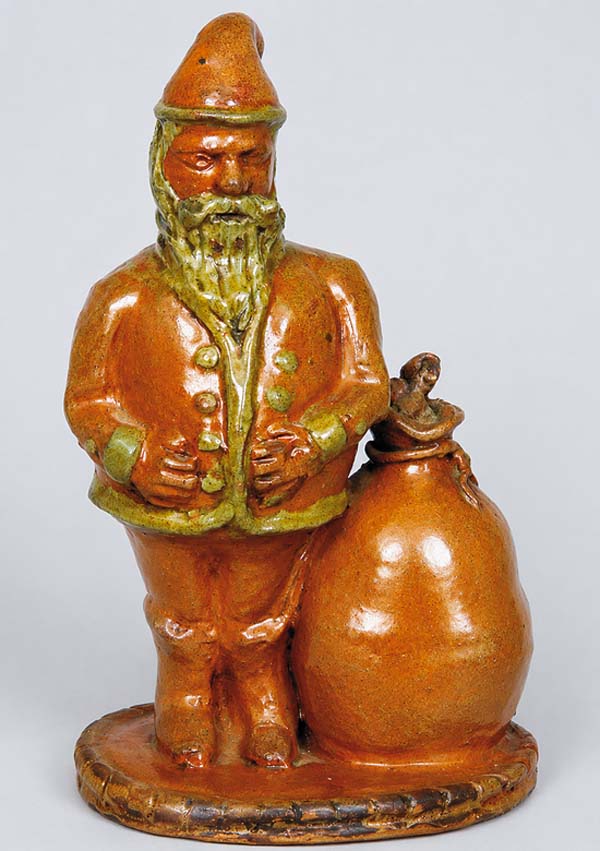
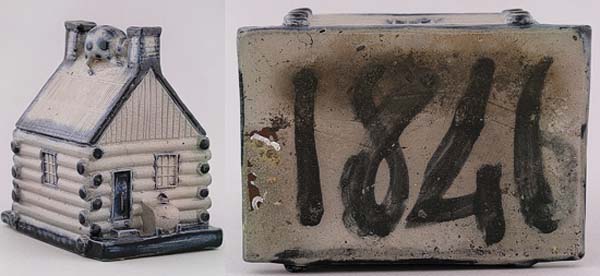
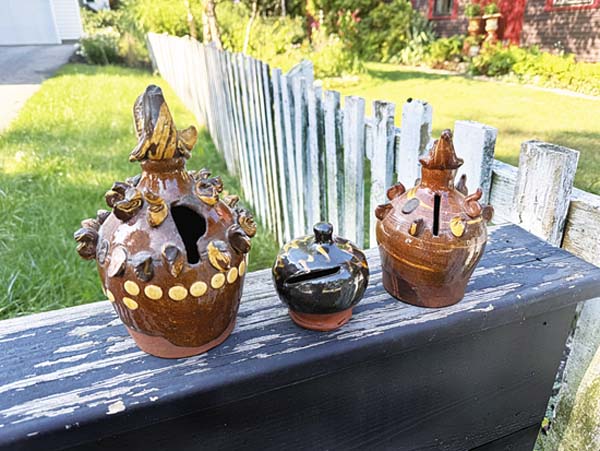
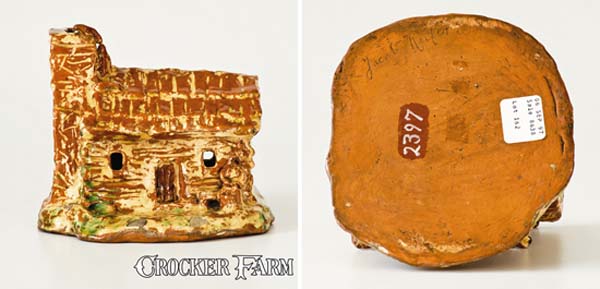
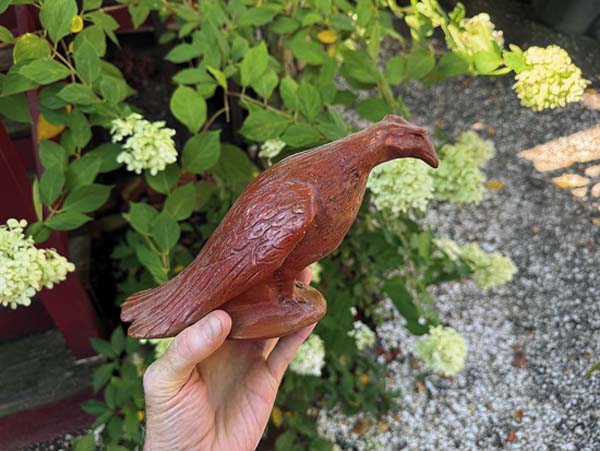
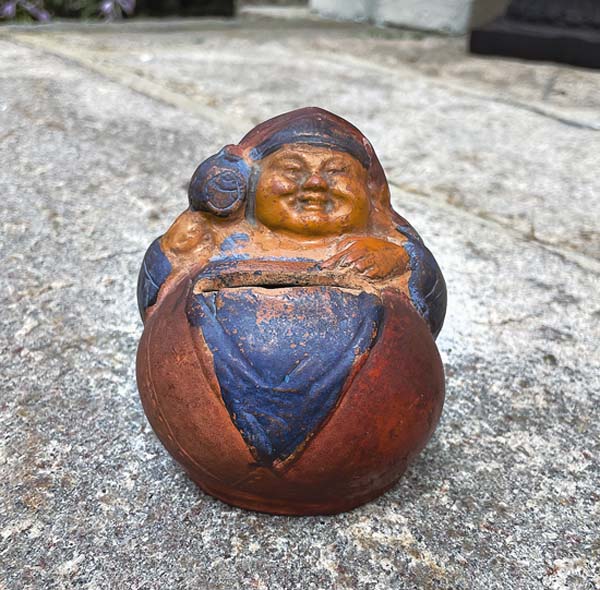
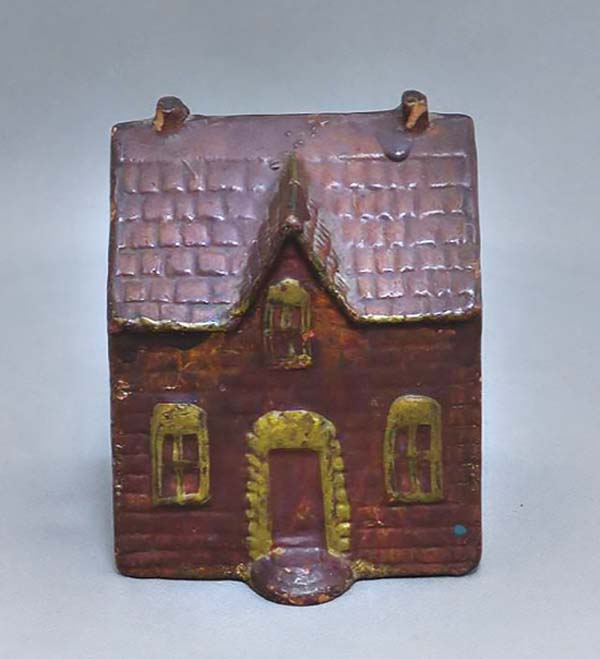
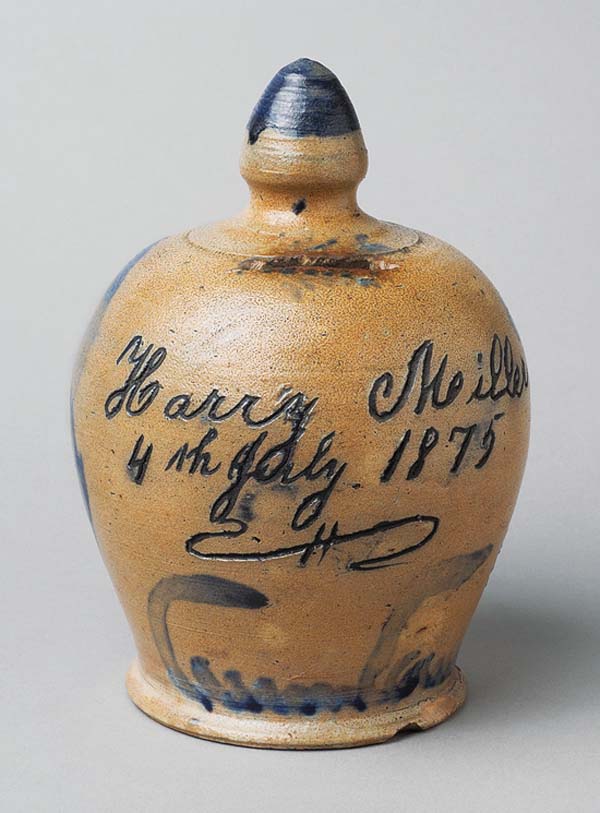
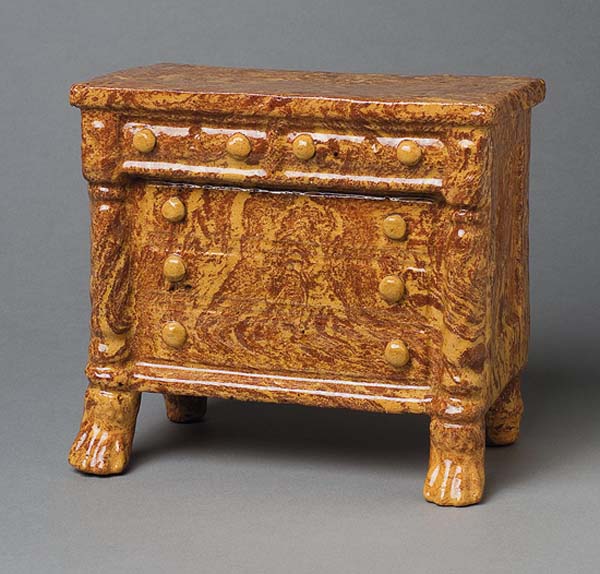
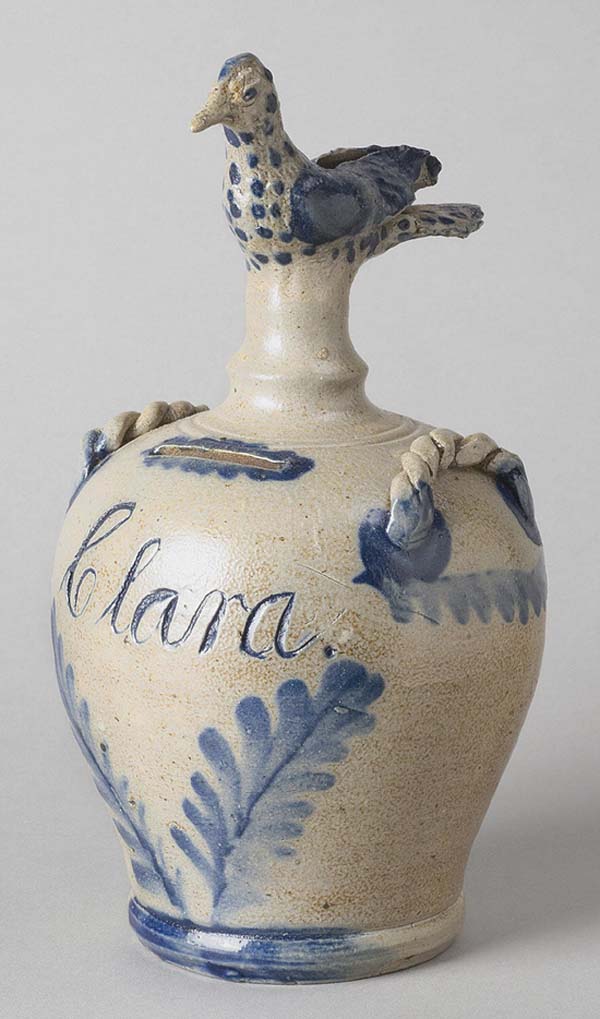
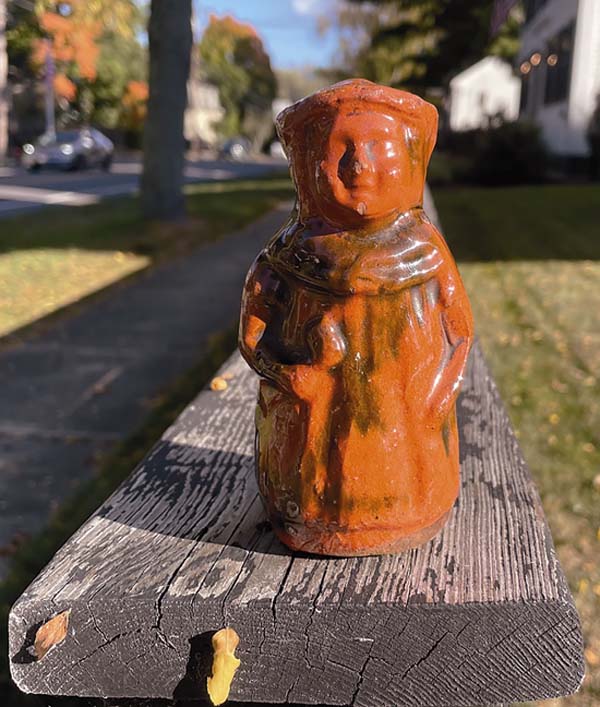
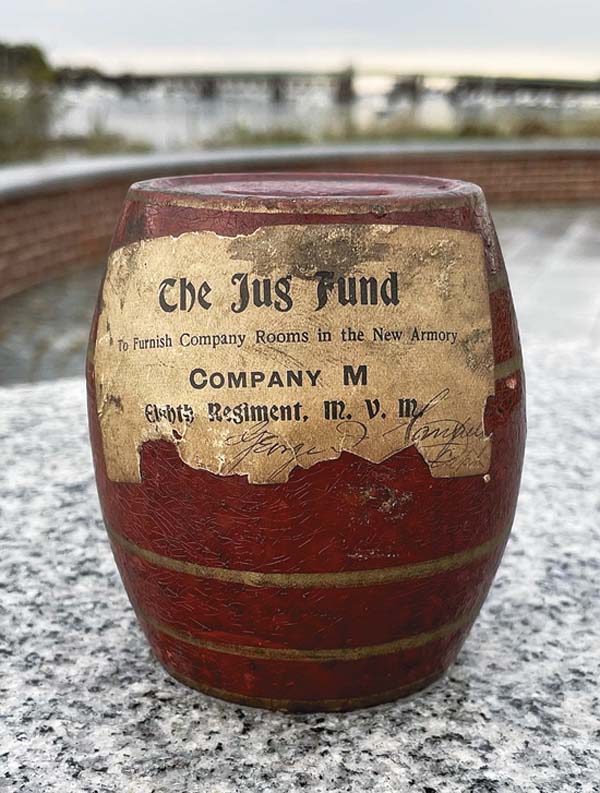
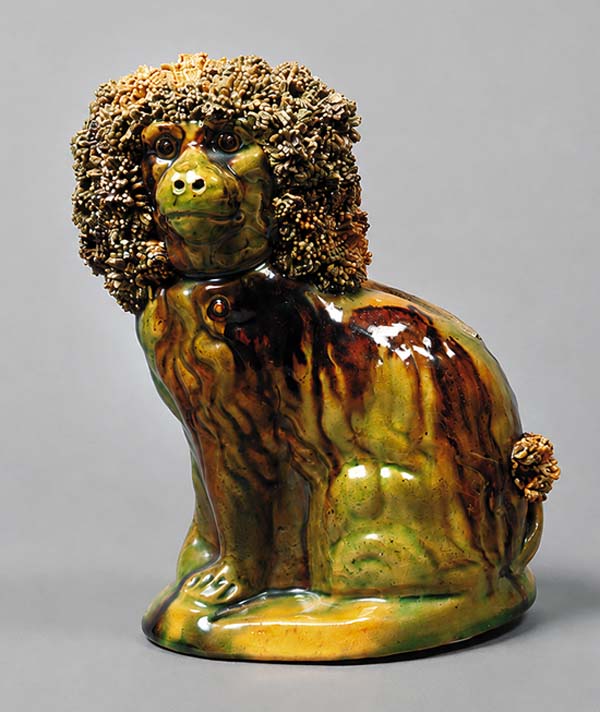
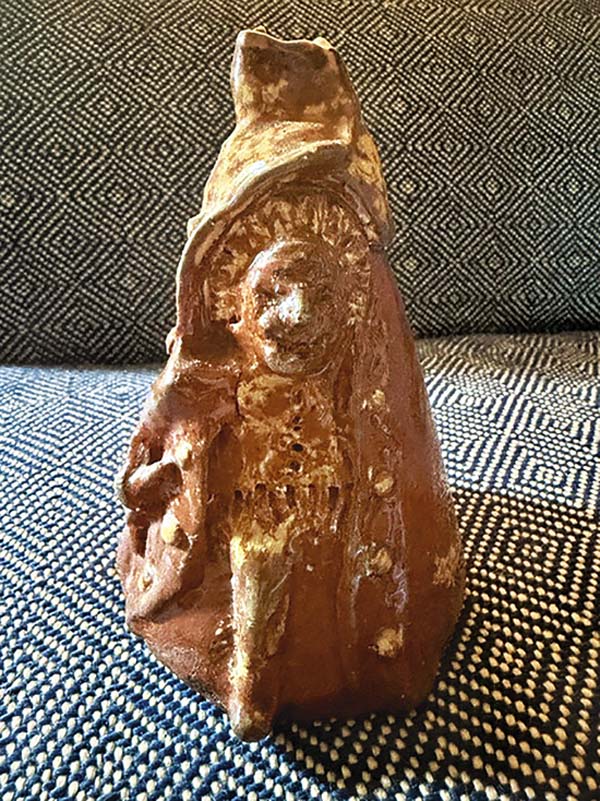
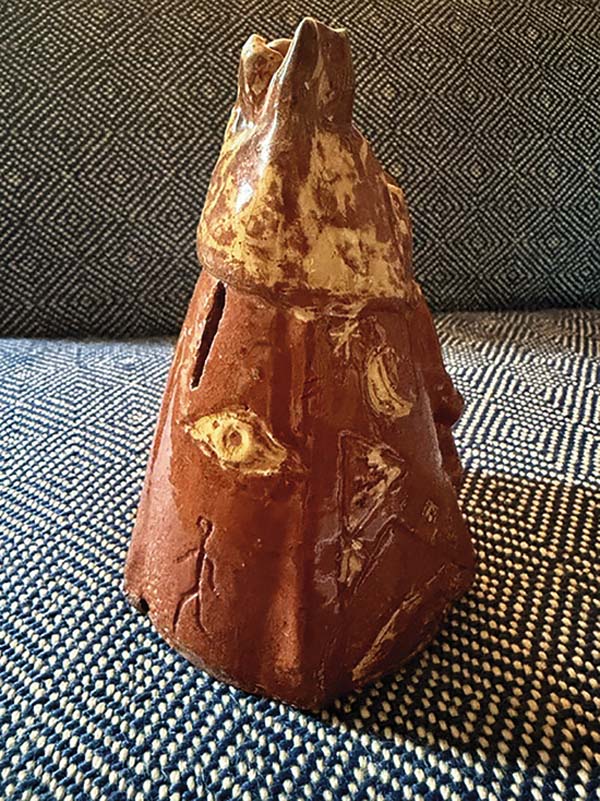
The history of pottery money boxes (or coin banks) spans over 2,000 years, evolving from simple functional jars into the iconic 19th-century forms we know today. The oldest known money box from the Western Hemisphere is a second-century B.C. terracotta miniature Greek temple found in Priene (modern-day Turkey), though similar pottery boxes have also been excavated at Pompeii and Herculaneum in southern Italy. The transition to pig-shaped banks occurred independently in two different regions. Between the 12th and 14th centuries, potters in Java, Indonesia, created banks in the likeness of wild boars. Meanwhile, 15th-century English potters began producing pygg household jars, an earthenware material that eventually evolved into the familiar piggy bank. Pottery banks became widespread in America and parts of Europe, including England, during the 19th century. This rise in popularity coincided with thrift becoming a core pillar of American culture, a virtue promoted to combat the poverty brought on by rapid industrialization and urbanization, while also reinforcing religious and ethical values. The sudden ubiquity of these banks was further fueled by the introduction of new government currency to the general public. Many 19th-century pottery banks lacked a bottom opening, meaning they had to be broken to retrieve the contents. This break-to-open design was intentional, meant to discourage frivolous spending and foster disciplined saving habits. However, some surviving examples reveal tell-tale damage around the coin slot, suggesting that early savers frequently tried to extract money without literally breaking the bank. By the late 19th century, financial responsibility was integrated into school curricula through school savings programs. Pottery banks were also adopted for political causes and charitable community benefits, such as raising funds for war veterans. Fundamentally, however, many of the more whimsical red earthenware and stoneware banks were designed as toys, doubling as playful tools to teach children the importance of financial moderation. The most significant collection of 19th-century red earthenware and stoneware banks ever assembled in America belonged to the Seamens Bank for Savings in Manhattan. Chartered on May 11, 1829, it was New York Citys first savings bank. It was originally established to encourage thrift among sailors, naval officers, and stevedores, who were notorious for quickly spending their wages upon returning to port. By 1833, the bank expanded its services to the general public and operated additional branches. The original Seamens Bank for Savings building at 74 Wall Street was a cast-iron structure designed by architect Robert G. Hatfield (1815-1879) and completed in 1871. It was demolished in 1926 to make way for a new 19-story headquarters, designed by Benjamin Wistar Morris (1870-1944) and constructed by Marc Eidlitz & Son. This building was added to the National Register of Historic Places in 2007. During its history, the institution amassed a world-class collection of maritime art, ship models, and both mechanical and pottery banks. These artifacts decorated its Financial District offices, serving as a visual symbol of the banks heritage. In 1944, different areas of the bank were documented for the Library of Congress by the prominent New York architectural photography firm Gottscho-Schleisner, Inc., a partnership between Samuel H. Gottscho (1875-1971) and his son-in-law, William H. Schleisner (1912-62). While their work focused primarily on the architecture, they captured several individual banks as well as the institutions dedicated Penny Bank Room. The banks legacy took a sharp turn in the 1980s when it suffered crippling financial losses from bad real estate loans and an interest-rate squeeze during the Savings and Loan crisis. On April 18, 1990, holding $2.1 billion in assets and serving 170,000 depositors, the bank was declared insolvent and seized by the U.S. government. While the banking assets were sold to Chase Manhattan Bank, the famous novelty bank collection was liquidated by the F.D.I.C. through a landmark Christies East auction in Manhattan in 1991. The pottery portion of the event is still remembered by folk art collectors. Over the following years, Robesonia, Pa., antiques dealer Greg Kramer acquired about a dozen of the red earthenware banks. He later determined that some were crafted by the Neifer or Neiffer family of Montgomery County, Pa., based on a log cabin bank signed by Jacob Neifer around 1860. Kramer sold many of these pieces to collector William Kelly Young (1933-2009), whose collection sold at Crocker Farm on Jan. 30, 2010, at an auction held on the York Fairgrounds in York, Pa. From Fort Worth, Texas, William Kelly Young, along with his brothers operated a successful oil drilling company. The bulk of his pottery collection was formed in a relatively short period of time, from the mid-1980s to the early 90s. He focused on many areas, including Shenandoah Valley redware, southern stoneware, miniatures, and figural material, notably Pennsylvania figural redware animals and banks. Many of his Pennsylvania redware banks had once been in the Seamens Bank collection, and some of his other Pennsylvania figural redware had once been in the Pauline Heilman collection. Ultimately, the evolution of the pottery coin bank reflects a broader historical shift in how society viewed personal responsibility, education, and economic stability. What began as a simple, functional necessity in the ancient world transformed during the 19th century into a powerful tool for social and moral instruction. By marrying utility with whimsical design, these clay money boxes (or coin banks) succeeded in turning the abstract concept of financial discipline into a tangible, everyday ritual for ordinary citizens. In historical retrospect, the legacy of these pottery shapes extends far beyond their domestic use, mirroring the growth and vulnerabilities of the financial institutions that championed them. While individual banks were designed to be broken, the ideas they reinforced - thrift, self-reliance, and community support - became foundational pillars of the era. As enduring folk art artifacts, these pottery money boxes stand as physical monuments to a time when institutional identity, social reform, and individual habits were all intricately modeled in clay. However, the true pinnacle of artistry and imagination in 19th-century American money boxes belonged to the rural craftsmen of southeastern Pennsylvania. Dominated by Pennsylvania German potters who brought centuries-old traditions of red earthenware and stoneware production to counties like Bucks, Berks, Lancaster, and Montgomery, this region produced highly expressive folk art. While major industrial potteries favored uniform shapes, these independent regional artisans utilized local iron-rich clay to handcraft redware banks that stood out for their playful complexity. Coated in a variety of glazes, these works of art transformed strict financial lessons into captivating objects of wonder. The sheer variety of these Pennsylvania forms reflected both the domestic surroundings and the boundless creativity of their makers. Potters frequently abandoned standard jar templates to fashion banks shaped like miniature animals, including sitting frogs, proud roosters, and delicate hens. Others mimicked harvest bounty, molding clay into the likeness of apples, pears, and oranges. In some of the most elaborate examples, potteries hand-modeled intricate finials, such as dogs and birds perched atop traditional jug structures, or built architectural marvels in clay, including fully rendered houses and faux-bois chests of drawers complete with tiny paw feet. Ultimately, these distinctively expressive forms ensured that while the banks functioned as tools for economic survival, they survived historically as profound monuments to early American imagination and craft. Sources: Eric Hess and Lisa Minardi, The Medinger and Neiffer Potteries of Montgomery County, Pennsylvania. Americana Insights, 2025. The Seamans Bank for Savings Collection, Christies East, March 13, 1991. Karl Pass, The William Kelly Young Sale Maine Antique Digest, May 2010. Karl Pass, Yard Sale Find Leads Way at Stoneware and Redware Auction Maine Antique Digest, Sept. 2005.
Share & Print






SHARE
PRINT