A Museum In The Making
July 17, 2026
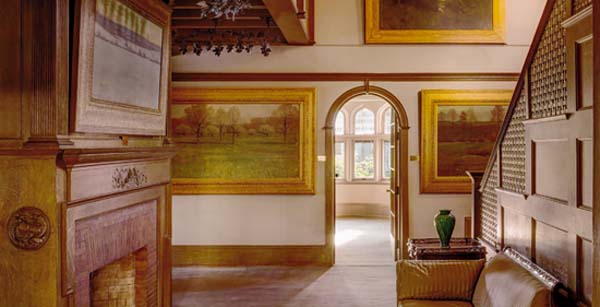
A Museum in the Making highlights the ideas and relationships that allowed art collector Charles Lang Freer (1854-1919) to use his Detroit, Mich., home as a living laboratory for museum design before founding Americas first national art museum in Washington, D.C., the Freer Gallery of Art, through a bequest to the Smithsonian. Running to Aug. 8, 2027, at the museum he founded, now part of the Smithsonians National Museum of Asian Art, the exhibition is designed in close collaboration with the Freer House in Detroit, Mich., and is an integral part of the museums celebration of the nations 250th anniversary. It is also part of the Smithsonian-wide celebration of the anniversary: Smithsonians 250th: Our Shared Future. Freer was fiercely dedicated to sharing his Asian and American art collection to foster intercultural exchange and understanding when few other American museums had such a goal, said Chase F. Robinson, director of the museum. This vision made the museum what it is today. Now, on our countrys 250th, visitors can get a glimpse of the imagination, innovation and collaboration that turned this vision into a reality. Born in Kingston, N.Y., Freer built a successful career in the railroad car manufacturing industry in Detroit, which was then a rich industrial and cultural hub. Freer settled in the citys architecturally renowned Ferry Avenue in a custom-designed house, in which he incorporated unique design features unlike the opulent characteristics of his neighbors Gilded Age homes. He favored harmony, simplicity and repose, and he prioritized the display of his extensive Asian and American art collection. Collaborating with artists and architects in his network, Freer used his house as a blank canvas to experiment with designs purposefully intended for integrating art within their setting. He applied what he learned to the museums design, creating intimately scaled galleries connected with arched doorways and lit with leaded-glass skylights. The exhibition highlights these elements of the Freer House, including a video walkthrough of the home, which still stands in Detroit. The variety of American paintings and Asian ceramics housed in Freers domestic quarters and their gallery spaces will also be showcased in the exhibition, paired with the stories behind their acquisition and display. Artists highlighted in the exhibition include James McNeil Whistler, celebrated American painter and one of Freers closest friends; famed architect and frame-maker Stanford White; and Mary Chase Perry Stratton, the founder of the Detroit landmark, Pewabic Pottery, and a friend of great artistic influence to Freer. Because of our partnership with Freer House and their careful preservation of this distinctive space, we are able to share the story of this house as an icon of Detroit and key piece of our history, said Diana Greenwold, the museums associate director for curatorial affairs and the exhibitions lead curator. This exhibition will show that the collaborations and ideas behind the Freer House were unique in the early 20th century and formed the blueprint for Americas first art museum on the National Mall, continued Greenwold. As part of its collaboration with the Freer House, the museum will lend an interactive 3D scan of one of Freers most famous possessions, the Peacock Room by Whistler. Later in the year, the house will project the scan for public viewing, expanding its access digitally to those who may not be able to visit the room in person in Washington, D.C. The 3D scan will also be an early glimpse into the museums Peacock Room virtual reality project, which is expected to be released in 2027, in celebration of the rooms 150th birthday. The Smithsonians National Museum of Asian Art opened in 1923 as Americas first national art museum and the first Asian art museum in the United States. It now stewards one of the worlds most important collections of Asian art, with works dating from antiquity to the present. The museum also hosts an unparalleled collection of 19th- and early 20th-century American art. Through an ambitious program of collecting, conservation, exhibitions, programming and research, on-site and online, the museum serves as a global and national resource for understanding the arts and cultures of Asia and their interaction with America, past and present. By presenting the arts and cultures of Asia in their extraordinary richness, the museum furthers cross-cultural understanding and aims to exemplify foundational ideals of curiosity, creativity and respect. Located on the National Mall in Washington, D.C., the museum is free and open 364 days a year (closed Dec. 25). The Smithsonian is the worlds largest museum, education and research complex and welcomes millions of visitors yearly. For more information about the National Museum of Asian Art, visit www.asia.si.edu.
Share & Print






SHARE
PRINT