A Timely Thought Collector Chats
By Peter Seibert - July 25, 2025
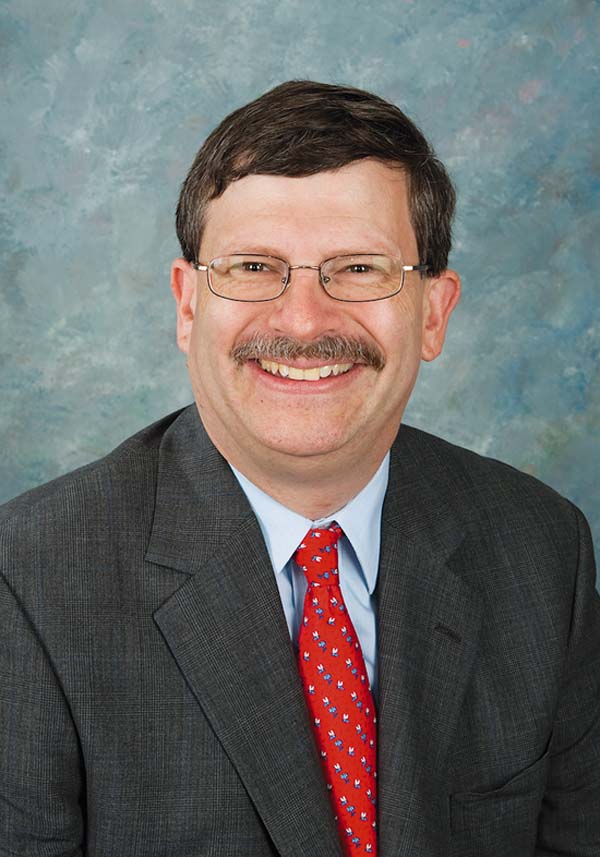
One of my oldest friends and mentors was the late John Snyder of Lancaster, Pa. John, who has been gone a number of years, was one of those folks who you trusted with their guesses about antiques more than you trusted most peoples facts. He had that innate ability to look at the design, history, and provenance of an object and then to immediately contextualize it. John was passionate about regional furniture, and we often talked about the differences between Reading and York or Harrisburg and Carlisle. For John, there was a visual catalog of those differences that clearly pointed out where things were made. Considering the paucity of signed works, I soon came to realize that Johns Rosetta Stone for documenting a regional variation was in clock cases. While it was never a total slam dunk that a clock case was made in the same town as the clockmaker who assembled it all, there was still a lot of good evidence there for establishing patterns. And those patterns were the big tell in figuring out where things were made. When John passed, I believe he had well over 100 clocks in his collection. No, he did not run them all. In fact, I am not sure I ever heard one running when I visited his home. But the reality was that he thoroughly studied every clock to understand its construction and thus to create the mental catalog that he had for where things were made. How closely did he study the clocks? Well, I recall him telling me that he crawled inside a particularly wide Lampeter clock and got stuck. All these years later and I still cannot understand how, but he was suitably shaken to not try that again for a while. Today, the benefit of Johns scholarship can be seen in numerous county historical societies and museums (especially Rock Ford). All are worth a visit to see both the objects and also to appreciate Johns scholarship. For me, Johns process was as important as his discoveries. We talked about how many scholars will focus solely on either the artistic aspect or construction of a piece. Those are important techniques in analyzing an object. How does it relate to others of the same type? Similarly, how is it built? Does it have extra pinning and wedged dovetails? Then it must have been made by a Germanic cabinetmaker. But, John also brought a deep and abiding knowledge of genealogy and history to the study as well. Learning who it was made for was just as important as the maker in many respects. I recall his pursuit of an affluent Mennonite named John Musser. Mussers home must have been spectacular, and John Snyder devoted hours to understanding it. Why? First was his interest in decorative arts and architecture. Second was that John Mussers possessions were among the finest made. What did that tell us about affluent Mennonites in the 18th century? I tell interns repeatedly that rather than studying just one aspect of an object that they need to look at every part. Who made it? Why did they make it? Who was it made for? What was the owners status and background? When you combine those answers, you get a much fuller and more robust picture of the history of any antique. Born to collect should be the motto of Peter Seiberts family. Raised in Central Pennsylvania, Seibert has been collecting and writing about antiques for more than three decades. By day, he is a museum director and has worked in Pennsylvania, Wyoming, Virginia and New Mexico. In addition, he advises and consults with auction houses throughout the Mid-Atlantic region, particularly about American furniture and decorative arts. Seiberts writings include books on photography, American fraternal societies and paintings. He and his family are restoring a 1905 arts and crafts house filled with years worth of antique treasures found in shops, co-ops and at auctions.
Share & Print






SHARE
PRINT