Art Pottery Stoneware Produced At The Pennsylvania Museum And School Of Industrial Art
By Justin W. Thomas - September 11, 2026
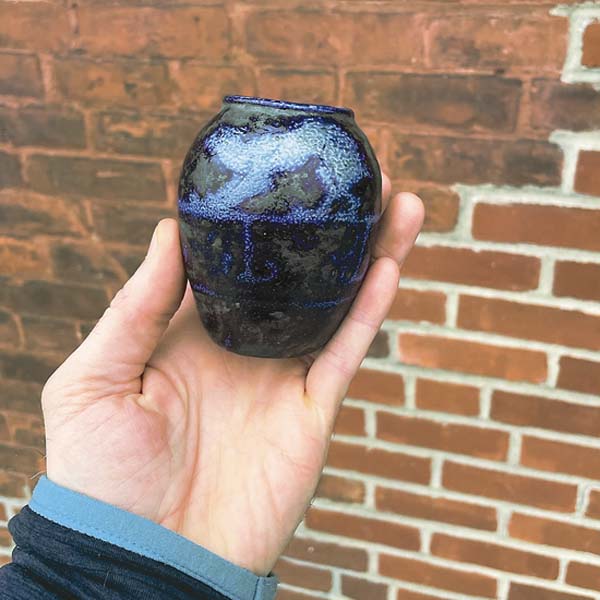
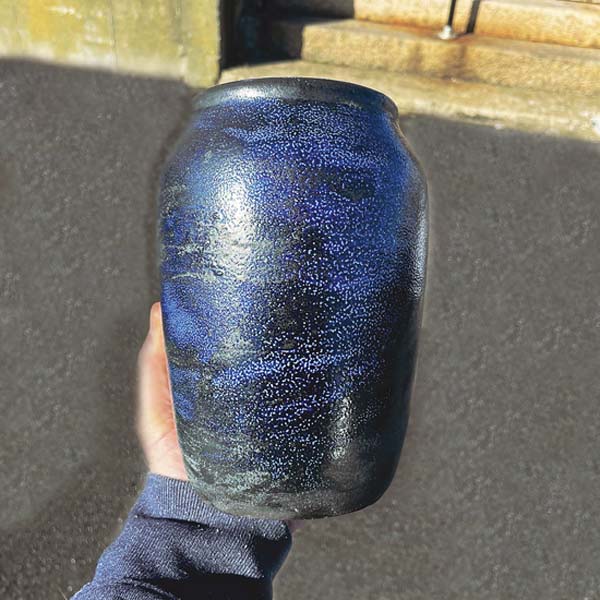
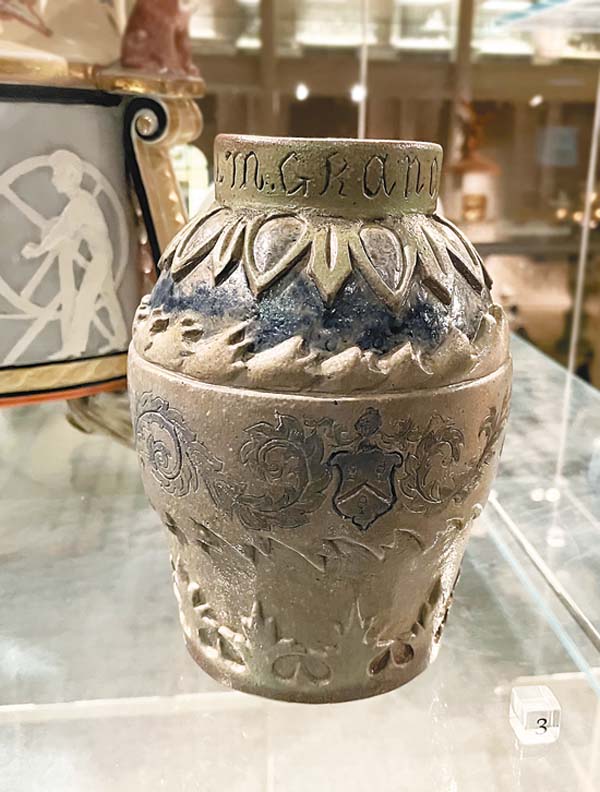
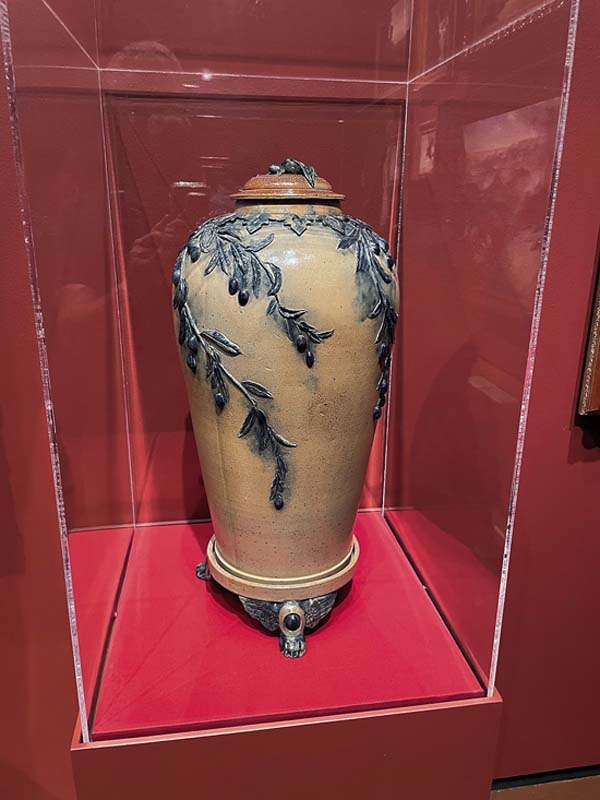
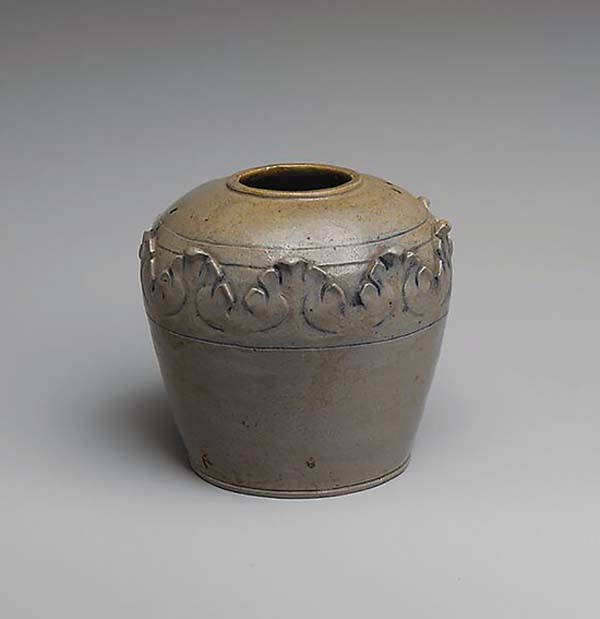
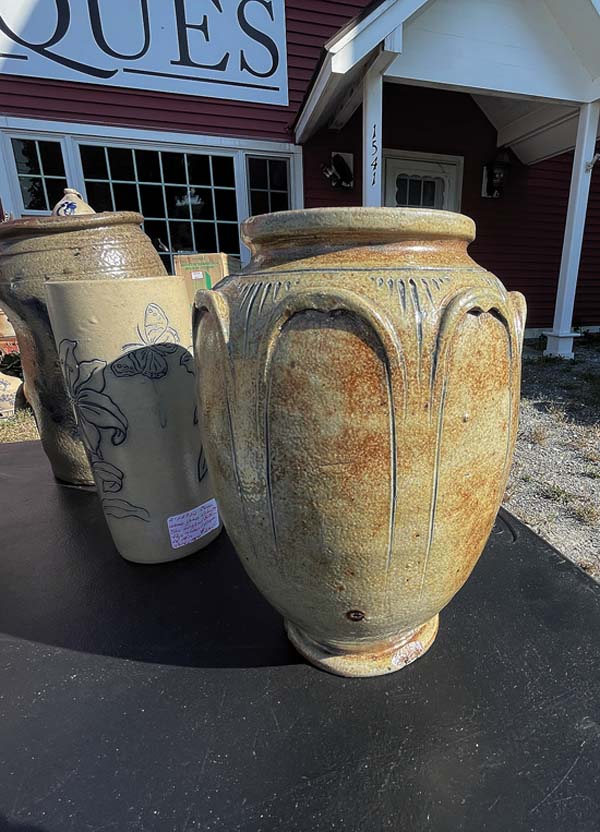
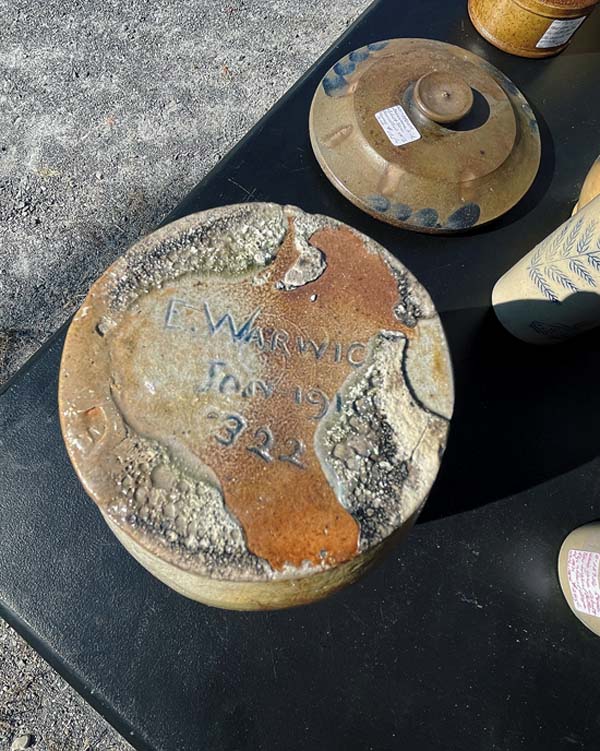
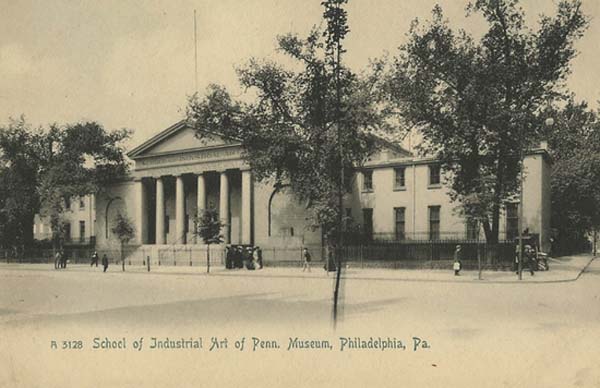
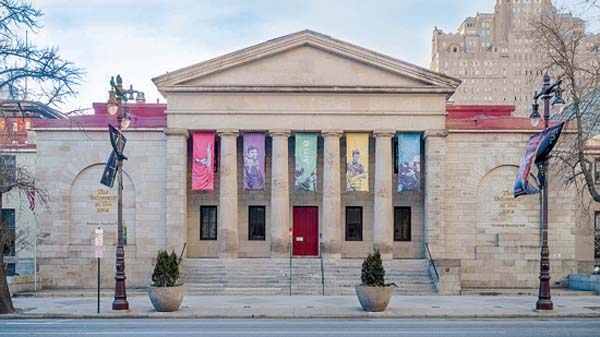
A subject not widely recognized or studied today is the artistic salt-glazed stoneware produced at the Pennsylvania Museum and School of Industrial Art (PMSIA) in Philadelphia in the early 20th century. Salt-glazed stoneware Art Pottery of this period is better recognized from Massachusetts by such potters as Russell G. Crook (1869-1955) in South Lincoln, Mass., who had previously worked at the William Grueby (1867-1925) Pottery in South Boston, Mass. But salt-glazed stoneware Art Pottery remains lesser known in other parts of America. The Pennsylvania Museum and School of Industrial Art was chartered in 1876 after the Centennial International Exhibition. Opening in 1877, it later split to become the Philadelphia Museum of Art and the University of the Arts. Its historical connection to stoneware and ceramics is rooted in its founding mission to train craftsmen in industrial design and to document the history of American manufacturing. The formal separation, in 1938, created the museum, while the school, the Philadelphia College of Art, eventually became The University of the Arts in 1985. The school recently shut down in 2024. The museum and schools first home, known as Memorial Hall in Fairmont Park in Philadelphia, was originally built for the 1876 Centennial Worlds Fair Exposition, although the school later acquired the former Pennsylvania Institution for the Deaf and Dumb (now known as Hamilton Hall) in 1893. One of the students who studied at the school was Parke Edwards (1890-1973). An example of his stoneware Art Pottery from 1913 is displayed as part of the Robert A. Ellison Jr. (1932-2021) Collection of Art Pottery at the Metropolitan Museum of Art in New York City. Pottery was one of the fields that students were exposed to at the PMSIA. Other fields included textile engineering and design, industrial arts and applied arts. The institutions foundation was in combining artistic design with industrial application. The skill of the Parke Edwards vase displayed at the MET is comparable to some stoneware produced by Susan S. Frackelton (1848-1932) in Milwaukee, Wis. Frackeltons Art Pottery is displayed at both the Philadelphia Museum of Art and the Metropolitan Museum of Art, among other museums. Parke Edwards was born in Lancaster County, Pa. in 1890. His parents were Jesse (1858-1924) and Mary Eckman Edwards (1865-1952). Census records from 1900 to 1920 list Jesse Edwards as both a cabinetmaker and a farmer. Parke was a career artist, becoming a prominent Arts and Crafts metal designer and craftsman in the Philadelphia area, best known for his intricate architectural metalwork. The Winterthur Museum in Delaware gained an interest in his work in the 20th century. According to Winterthur, Parkes formal education took him as far as the eighth grade. Edwards became interested in art and enrolled in a mail-order course in show-card writing and sign painting with the International Correspondence School. He then attended the Pennsylvania Museum School of Industrial Art, now known as the University of the Arts. As a sophomore, Edwards was awarded a scholarship to travel in Europe, where he documented the artistic talents of Europes best craftsmen. He studied metalwork under the blacksmith Samuel Yellin (1884-1940). After his studies, Edwards major work included an undertaking at the Swedenborgian Cathedral at Bryn Athyn, Montgomery County, Pa., where he was responsible for making and installing much of the decorative metalwork, such as decorative doors, windows, and hardware using traditional techniques. Later he worked at the residence of Raymond Pitcairn (1885-1966), the financial sponsor of the Bryn Athyn Cathedral. Furthermore, his designs often featured neo-Gothic and Moresque influences. Collections of his work, including sketches and metal objects, are held at the Philadelphia Museum of Art, the Metropolitan Museum of Art and the Winterthur Museum. Interestingly, a salt-glazed stoneware Art Pottery vase recently emerged in southeastern Pennsylvania, which relates to production at the PMSIA. The shape of the vase is similar to some ancient styles, as well as some vases made at the Grueby Pottery in South Boston. The base is inscribed and highlighted with cobalt, E. Warwick / Jan 1910, along with the number 322. This represents the work of Edward Warwick (1881-1973), a Philadelphia painter, printmaker, and art educator. He was the son of Charles F. Warwick (1815-1913), who served as the mayor of Philadelphia in the late 1890s. Warwick also taught at the PMSIA for at least 20 years before serving as its dean from 1933 to 1955. He frequently exhibited at the Pennsylvania Academy of the Fine Arts (PAFA) and the Philadelphia Watercolor Club. His wife, Ethel Herrick Warwick (1881-1961), was also a distinguished artist. Even though there is no evidence that Parke Edwards studied with Edward Warwick, they were both at the PMSIA in 1913, where Warwick served as a teacher and lecturer. Warwick was likely already at the school in 1910, when he created the stoneware vase. Prior to the 1870s, American stoneware was typically utilitarian, although it was elevated to an art status with the emergence of Art Pottery in America. Salt-glazed pottery aligned perfectly with the American Arts and Crafts movements preference for handcrafted, rustic, and durable items. But due to the difficulty of controlling the salt-glazing process in the kiln, each piece was unique, a quality that became prized in the Art Pottery market. The stoneware produced at the Pennsylvania Museum School of Industrial Art was certainly a part of this movement, which was a central institution and force in the Arts and Crafts movement in Philadelphia. Sources: Thomas, Justin W. The Salt-Glazed Stoneware Made By Russell Crook, South Lincoln, Mass. Antiques And The Arts Weekly, February 9, 2024. _____. An Influential Family of Early Potters: The Clarks of New Hampshire and Related Businesses. Beverly, Mass.: Historic Beverly, 2025.

Share & Print






SHARE
PRINT