British Landscape Photography, 1840 To Now
August 07, 2026
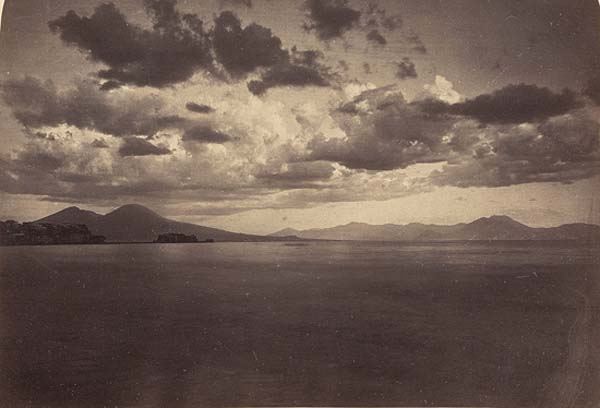
This summer, the Yale Center for British Art (YCBA) will shine a light on the power of landscape photography by exploring the ways in which the camera has shaped how the natural world is seen and understood. Sightlines: British Landscape Photography, 1840 to Now spans nearly two centuries and presents 100-plus photographic works, ranging from the pioneering botanical studies of early innovators William Henry Fox Talbot and Bessie Rayner Parkes to the charged images of industrial landscapes by Bruce Davidson and Rachel Whiteread. The exciting exhibit opened July 23 and is on view through Jan. 24, 2027. Sightlines is running alongside John Constable: The Landscape Reimagined which will open Thursday, Sept. 3, expanding the exploration of the British landscape to two of the YCBAs four floors. Britain has one of the great traditions of landscape art, and photography both inherited and transformed the ways the land was seen and understood, said Martina Droth, Paul Mellon director, YCBA. When we look at landscape photographs across time, from the early studies made directly from nature to later works that confront industrialization and its social consequences, we see the land continually remade. With the YCBAs deep holdings in British landscape, and with our forthcoming John Constable exhibition, Sightlines offers a distinctive vantage point on this history, showing how photographs capture and reveal the ways the land is experienced and inhabited, and how profoundly it has been shaped by human action. Since the earliest days of photography in the mid-19th century, the camera has been an essential tool for observing and depicting the environment. Landscape photography, in particular, embodies ideas about beauty, nature, history, science, and society. Some images romanticize the land. Others expose the social and environmental impacts of modern life. In every case, landscape photography does more than document the world around us. It actively constructs it and shapes how we understand it, reinforcing or challenging dominant ways of thinking, knowing, and feeling. Taken together, the works in Sightlines invite visitors to consider photographys complex cultural role as a tool to build knowledge about the landscape; as an artistic medium to inspire, awe, and communicate; and, increasingly, as a vehicle to critically examine social and environmental conditions. Landscape photography influences how we see, value, and inhabit our environments, said Sightlines curator Jackson Davidow, project manager, YCBA. It opens the door to an ongoing conversation between the artist, the viewer, and the natural world. In that way, this is a truly special exhibition, and were thrilled to show so many remarkable and important works in our space. Among its abundance of stunning images, the exhibition features majestic views of natural beauty, scenes of social life and industrial transformation, and surreal digital photomontages. It encompasses not only photographs but also works in other media related to the photographic image, including prints, drawings, and books, capturing the evolving nature of photography itself. A true testament to the pictures and the artists who captured them, Sightlines reveals British landscape photography as a dynamic and continually evolving field of inquiry that invites us to contemplate anew what a landscape is and can be. The YCBA is in New Haven, Conn. To learn more, visit www.britishart.yale.edu.
Share & Print






SHARE
PRINT