Citizen Artist Opens At The Delaware Art Museum
May 29, 2026
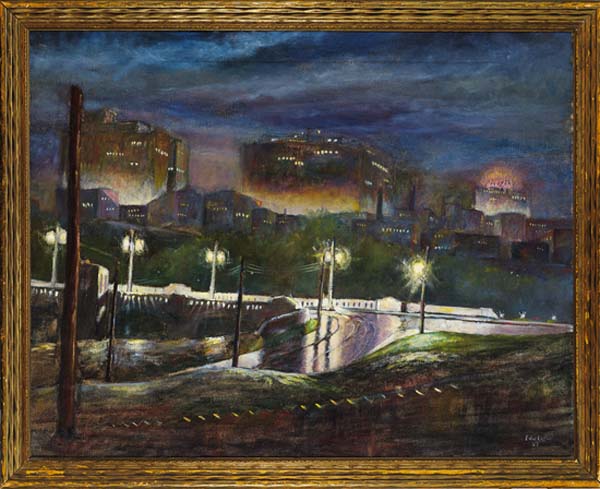
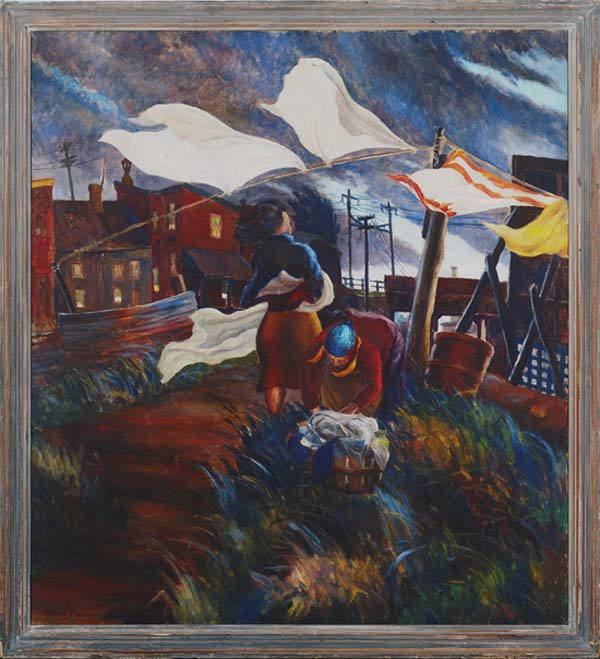
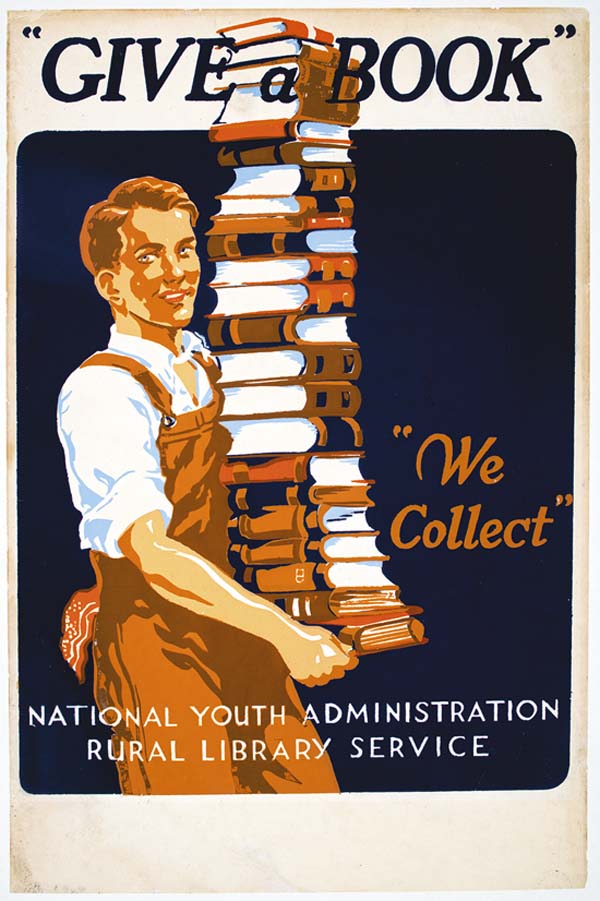
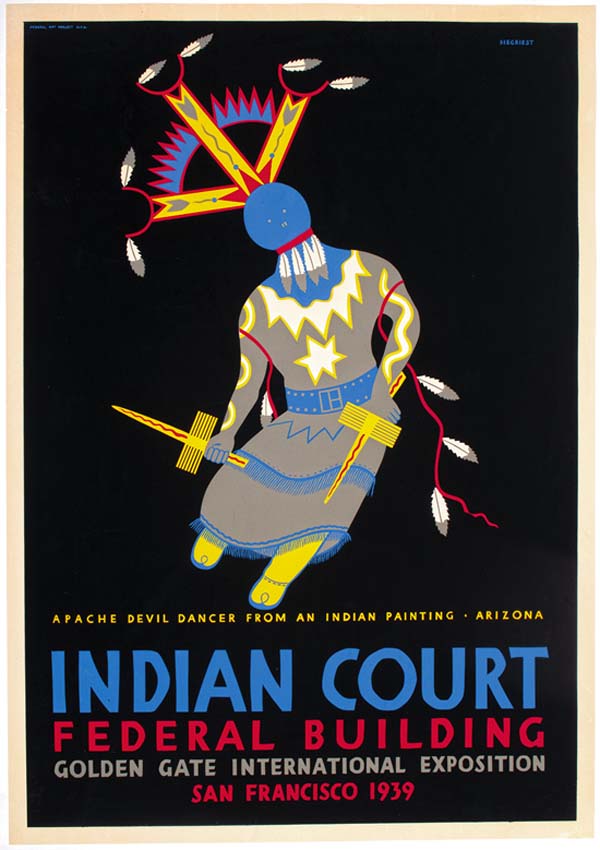
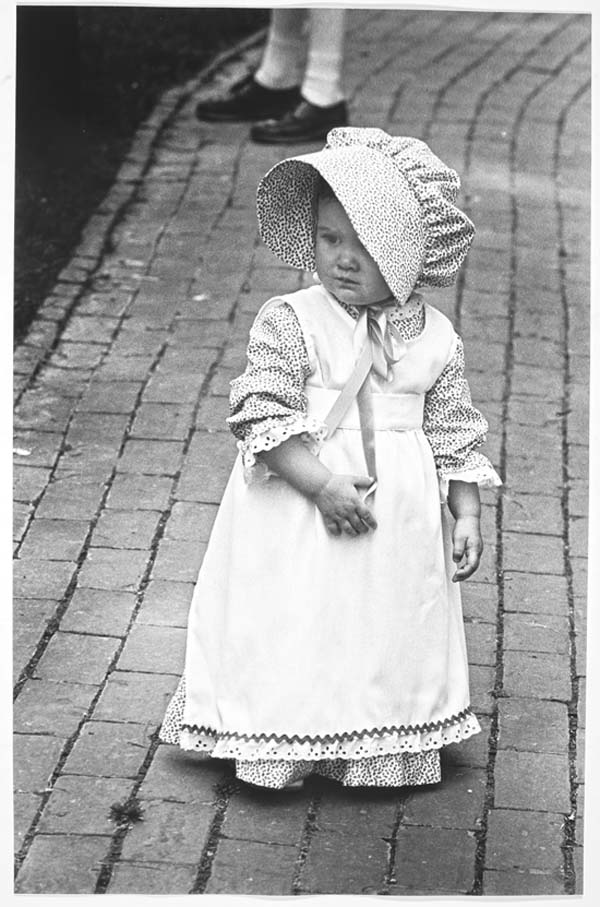
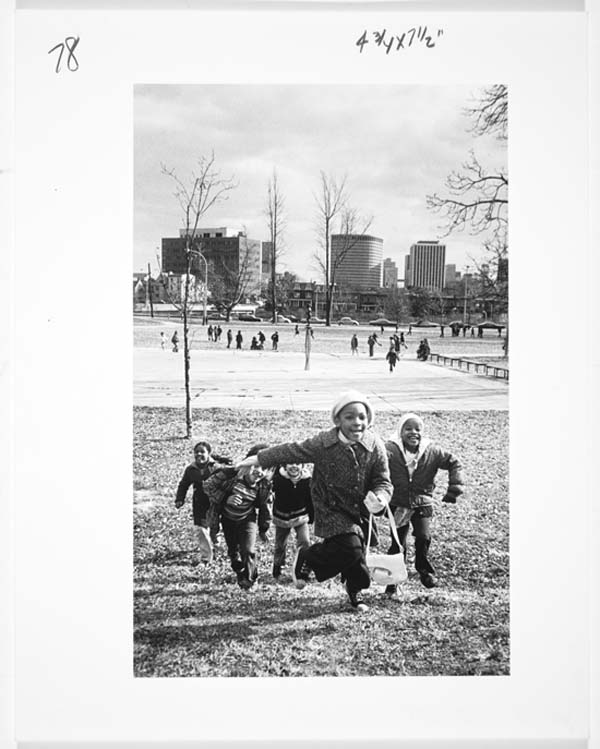
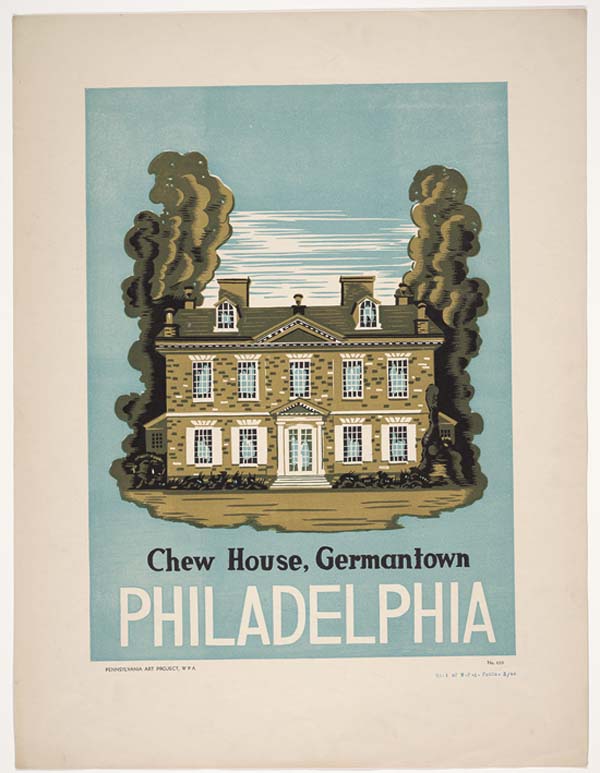
For the nations 250th, the Delaware Art Museum is building a living artistic record, honoring Delawares past and empowering future generations to tell its story through art. Citizen Artist is a love letter to artists. With this guiding sentiment from exhibition co-curators - DelArts head curator and curator of contemporary art Margaret Winslow and Lynn Herrick Sharp curatorial fellow Dorothy Fisher - the Delaware Art Museum (DelArt) opens Citizen Artist, a sweeping and timely exhibition celebrating the enduring role of artists as essential workers, those who document, interpret, and shape the American experience. Featuring 218 objects, including loans from institutions like the Museum of Modern Art and Baltimore Museum of Art, Citizen Artist places artists at the center of a broader narrative that encompasses their often unsung labor and advocacy for artists rights as workers, while highlighting their vital contributions to shaping the American landscape and preserving its history. Bifurcated across two distinct periods, the 1930s to 1940s New Deal era and a similar, though lesser-known initiative of the late 1970s, this exhibition underscores a powerful narrative: artists are not only creators, but also historians, storytellers, and visionaries whose labor has long been intertwined with the public good. The exhibit explores the reciprocal relationship between artists and communities. At its core, Citizen Artist is a story of mutual support and how government investment in artists has historically yielded cultural, social, and economic benefits for communities across the nation. The exhibition honors artists who found opportunity and lasting impact through federally funded programs, specifically the New Deal and Comprehensive Employment and Training Act (CETA). Rather than framing art as a solitary pursuit, Citizen Artist emphasizes collective effort. It demonstrates how artists mobilized their skills in the service of society, expanding access to culture while enriching public life. The exhibition honors how artists recognized their own potential, given proper funding infrastructure, to impact their communities and the nation. Public support for artists came through the New Deal and CETA. Ive always been fascinated with the vital role artists play shaping our country, especially during moments of uncertainty. Artists and their allies designed programs that mobilized the skills of professional out-of-work artists during both eras to serve their local communities. Citizen Artist looks at those movements, both nationally and right here in Delaware. What better time to reflect on these stories and consider how artists can help shape our future than on the eve of the 250th, reflected Winslow. The exhibition situates itself within two pivotal periods in American history: the Great Depression-era New Deal programs of the 1930s and 1940s, and the federally funded employment initiatives of the 1970s under CETA. During the New Deal, artists advocated for inclusion as skilled workers and became integral to national recovery efforts. They documented the lives of everyday Americans, created murals in public spaces, expanded access to visual and performing arts, and helped define a shared cultural identity. These programs not only provided jobs but also reimagined the role of art in public life. Decades later, CETA extended this legacy, funding an estimated 20,000 artists and arts administrators across the United States. Through locally driven initiatives, artists created programs tailored to community needs, from dance instruction and puppet shows to citywide mural projects, theater companies, and photography initiatives. These efforts transformed both the physical and cultural infrastructure of the nation. By reflecting on this history and actively shaping how this moment will be remembered at the countrys 250th, DelArt is considering the vital labor of artists, whose creativity helps us interpret our past, understand our present, and push us to collectively imagine new futures. Delaware has a vibrant legacy of artist-driven community engagement. Im excited for visitors to see Delawares place in an important national story, shared Fisher. The work of local artists on view in Citizen Artist is part of our regions cultural heritage, and Citizen Artist is as much a tribute to those artists as it is a call to carry those traditions forward in our stewardship of the arts today. The impact of these federally funded initiatives is deeply woven into Delawares cultural fabric and into the very foundation of the Delaware Art Museum itself. From shaping its early collection to expanding its role as a community-centered institution, these initiatives transformed both the states artistic landscape and DelArts mission to serve the public through art. When New Deal programming ended in 1934, administrators in Philadelphia allocated works by Delaware and Philadelphia artists to the Wilmington Society for Fine Arts, now the Delaware Art Museum. These acquisitions, including works by William D. White and Michael Gallagher, significantly shaped the museums collection, embedding the legacy of federally supported artists into its foundation and expanding public access to American art. Delaware played a significant role in the CETA arts movement. Beginning in early 1975 with initiatives like CITYSIGHTS/CITYSOUNDS in Wilmington, artists contributed to a wide range of community-based programs celebrating the visual and performing arts, including murals, photography, exhibitions, jazz, classical and percussion music, and theater. A twin pillar to freedom of speech is cultural expression, said Molly Giordano, DelArt executive director. The Delaware Art Museum is dedicated to preserving and interpreting culture through art. For the 250th, we view this milestone as a vital opportunity to highlight the essential role artists play in our society. On view through Sunday, July 19, Citizen Artist offers a profound and timely meditation on the role of artists in shaping the American story. The Delaware Art Museum is located at 2301 Kentmere Parkway, Wilmington, Del. To learn more, visit www.delart.org.
Share & Print






SHARE
PRINT