Folk Nation: Crafting Patriotism In The United States Exhibit Explores Vernacular Art And The Construction Of American Identity
April 24, 2026
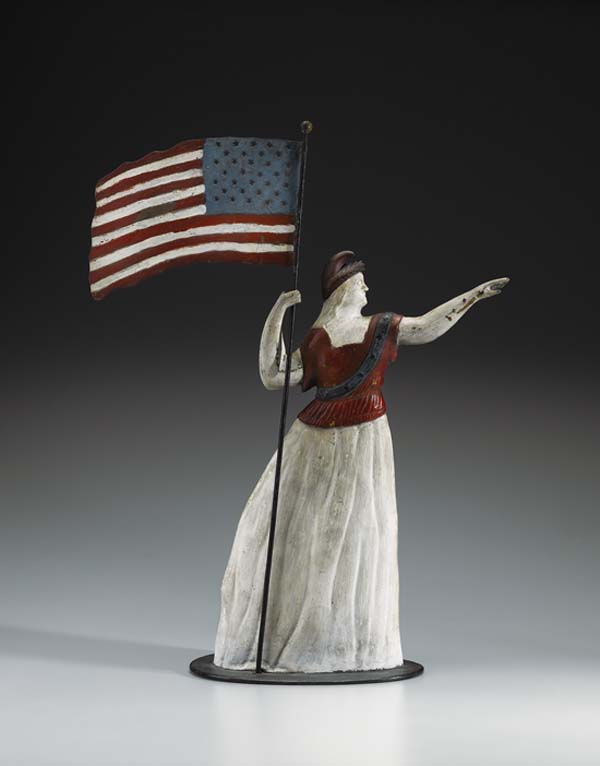
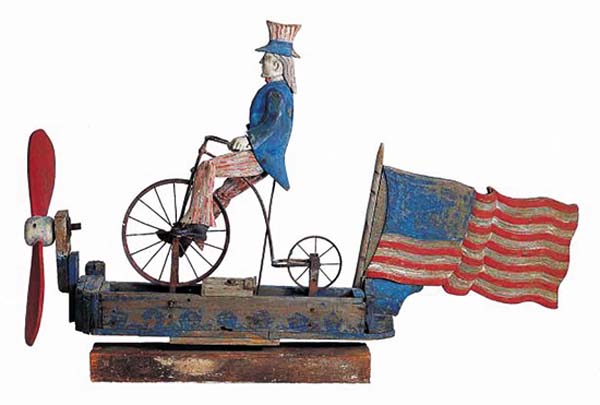
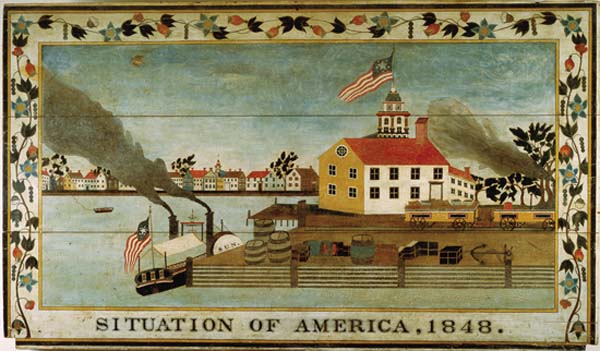
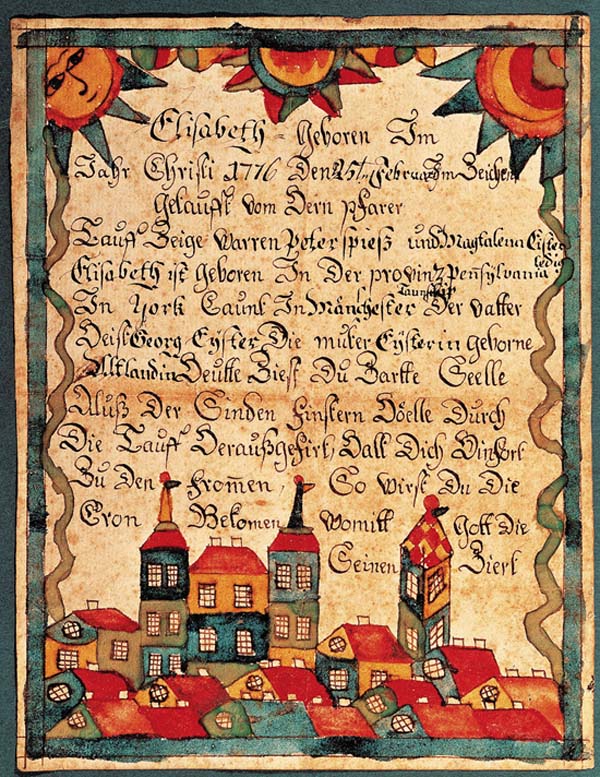
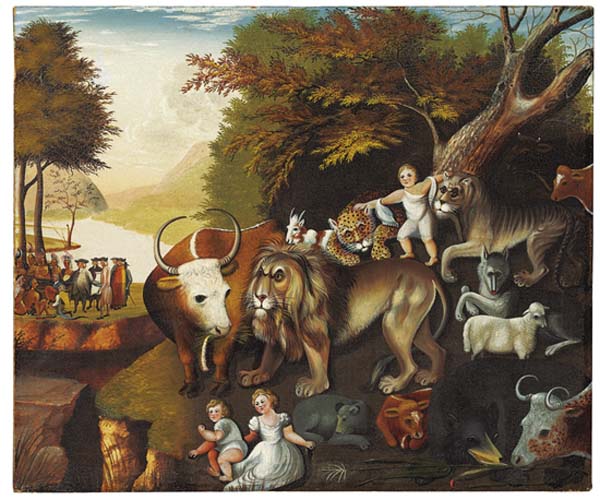
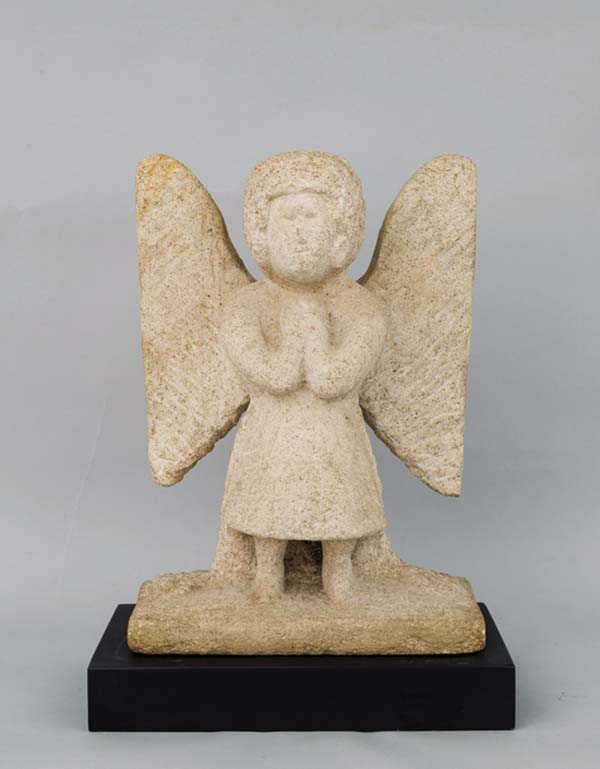
Mounted during the celebration of the United States semiquincentennial, Folk Nation: Crafting Patriotism in the United States draws from the American Folk Art Museums rich collections to explore links between vernacular art and the construction of an American sense of self. Introducing visitors to the concept of folk as a category developed in conjunction with the art and antiques markets, this focused exhibition positions works as multilayered in their meanings, imbued with cultural significance not only by their creators but also by their collectors and subsequent owners. Folk Nation builds on the American Folk Art Museums commitment to critically examining the histories embedded within the objects we steward, said Jason T. Busch, Becky and Bob Alexander director and CEO. As the country marks 250 years since its founding and our museum marks its 65th anniversary, this exhibition invites reflection on how art has participated in shaping ideas of nationhood, who is represented within those narratives, and how they continue to evolve. Terms such as folk, nation, and patriotism carry layered and sometimes contested meanings, said Emelie Gevalt, Deborah Davenport and Stewart Stender deputy director and chief curatorial and program officer. By placing historical works in dialogue with later reinterpretations, Folk Nation encourages visitors to reconsider these concepts and to recognize vernacular art as a dynamic site of cultural negotiation. Americans have long preserved objects as a way of telling stories about themselves. Beginning especially after the Revolutionary War and gathering momentum in the late 19th and early 20th centuries, people turned to early American objects to construct a national history and a sense of collective identity, an impulse often driven by lingering insecurity about the young nations perceived cultural provinciality in comparison to Europe. Expanding on this legacy, collectors, dealers, curators, and artists have applied the term folk art since the early 20th century to champion wide-ranging forms of American creative production from the 1700s onward. Covering a kaleidoscopic array of genres produced outside the academic art world from weathervanes and trade signs to quilts, carvings, painted portraiture, and commemorative sculpture, the idea of folk art developed as a symbol of authenticity, ingenuity, independence, and patriotism, representing key values perceived to be at the heart of the culture of the United States. At the same time, these concepts were often romanticized, promoting a nostalgic and incomplete view of the nations past. Folk Nation investigates this complexity. Organized around themes that have shaped American life, including family, heritage, spiritual vision, and belonging, the exhibition traces how vernacular objects have functioned as both mirror and tool: reflecting American identities while also helping to construct them. Admission to the American Folk Art Museum is always free. Please note: Folk Nation opened April 10 and will close on Sept. 13, during the installation of Locating Girlhood: Place and Identity in Early American Schoolgirl Art. The exhibition will reopen on Oct. 8 and remain on view through Feb. 28, 2027. Founded in 1961, the American Folk Art Museum, 2 Lincoln Square, New York, N.Y., is the nations museum of folk and self-taught artists. Candid, genuine, and unexpected, AFAM celebrates the creativity of individuals whose singular talents have been refined largely through personal experience rather than formal artistic training. With a collection spanning 7,500 works of art from four centuries and nearly every continent, the Museum engages people of all backgrounds through its collections, exhibitions, publications, and public programs as the leading forum shaping the understanding and appreciation of folk and self-taught art. For more information, visit www.folkartmuseum.org.
Share & Print






SHARE
PRINT