Hi-Yo, Silver! The Lone Ranger Shines Highlights Included Clayton Moores Colt Revolvers Screen-Used During TV Series
August 08, 2025
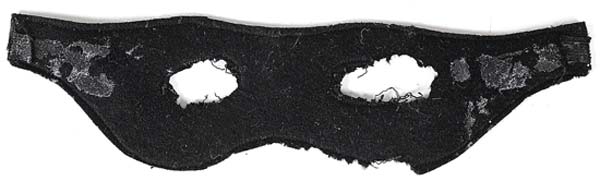
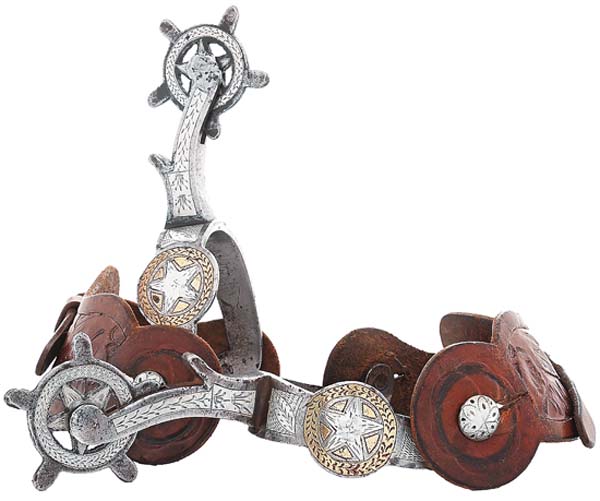
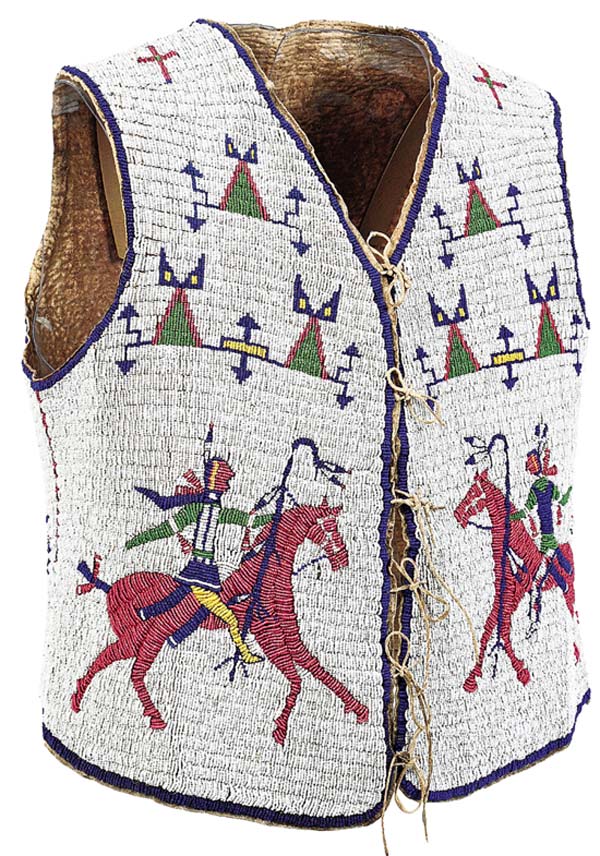
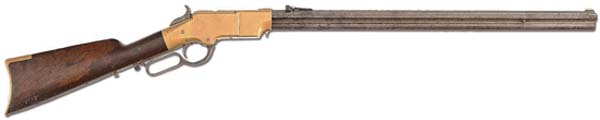
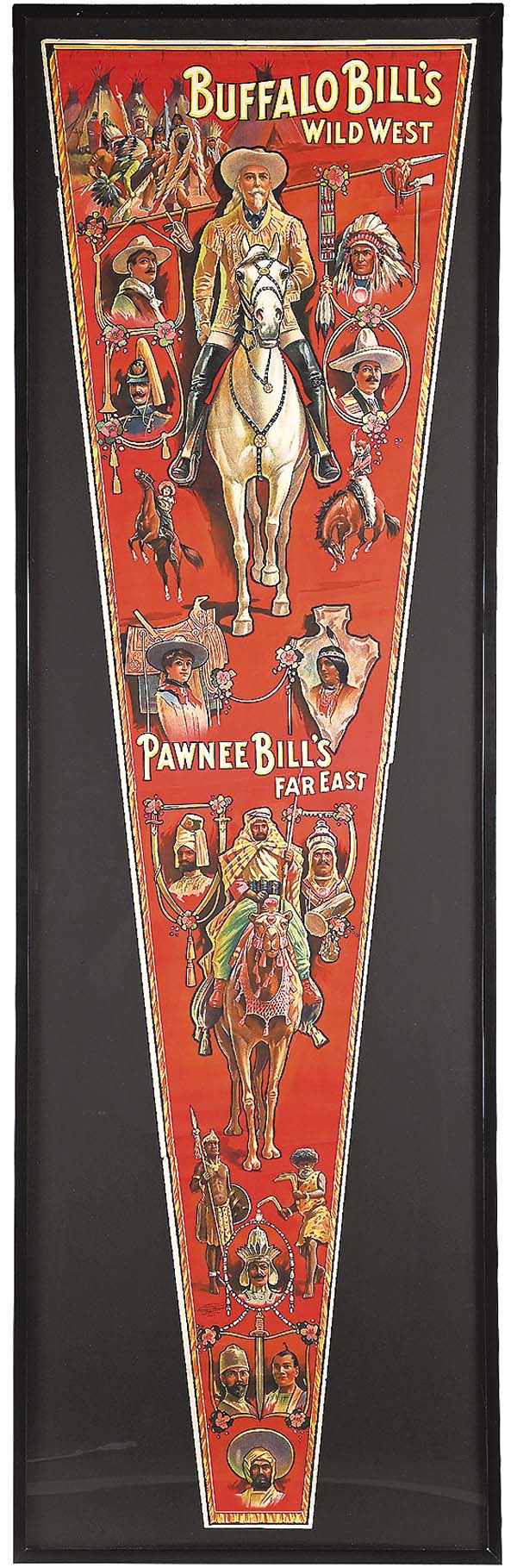
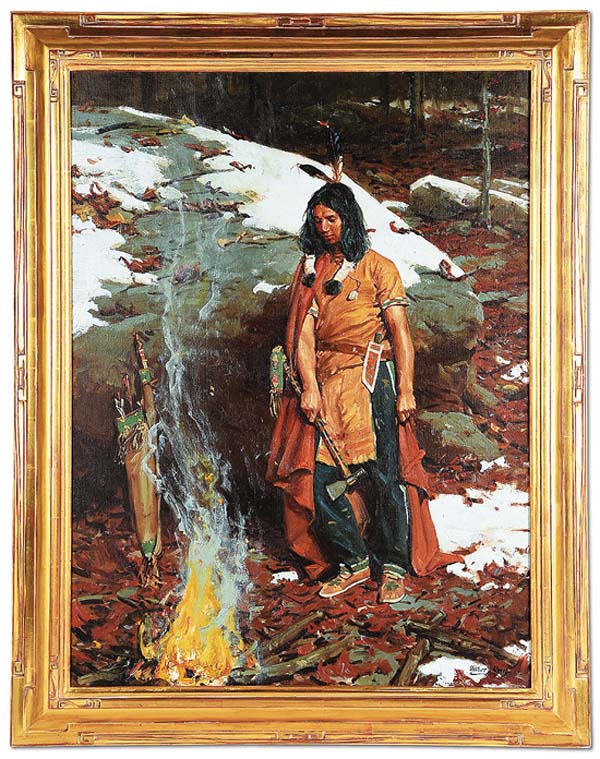
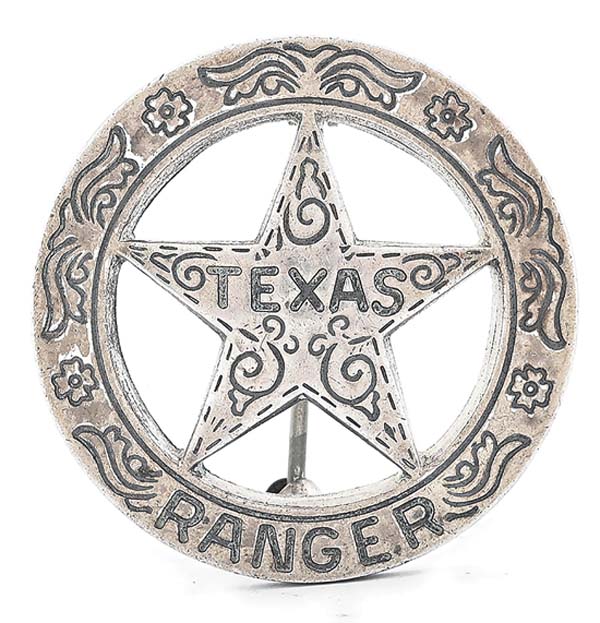
Collectors figuratively saddled up and traveled the historic Santa Fe Trail to Morphys June 21 auction of Western art and antiques, a million-dollar-plus event that embodied the spirit of American adventure and reverence for Native culture in 472 diverse and exceptional lots. The evening sale was a well-attended special highlight of the Old West Show & Auction weekend held annually at the Santa Fe Community Center. The auction lineup included fine and decorative art, riding apparel and tack; firearms, silverwork, Native tribal art and relics; and Hollywood cowboy memorabilia, to name a few of the categories. Top-lot honors went to an artist-signed oil-on-canvas painting by William Gilbert Gaul (1855-1919) titled Indian by Campfire. Gaul was a well-credentialed artist known for his military scenes and Western subjects, including realistic depictions of interaction between Native and Caucasian people. Born in New Jersey, Gaul studied in New York City at the Art Students League and the National Academy of Design (NAD), where, in 1882, he was elected a member. Gaul made many trips to the American West between 1882 and 1891, living on Army posts and with Indian tribes whose cultures and traditions he captured in his artworks. One of his best-known works is a portrait of Sitting Bull, which he painted from life. Indian by Campfire came with provenance that included a 2001 sale at Sothebys. Against a pre-sale estimate of $30,000 to $50,000, it sold for $39,360 at Morphys. Two of the most talked-about lots had a direct connection to the classic TV series The Lone Ranger and were screen-used by its star, Clayton Moore (1914-1999). Perhaps nothing was more essential to Moores iconic role than the black eye mask his character wore to conceal his identity. The cloth-and-plastic mask was molded to fit Moores face and became part of one of the most recognizable costumes in American TV history. Inextricably tied to a classic series that first ran on ABC Television from 1949 to 1957, the mask came with provenance from the estate of the shows producer, Jack Wrather. It sold within its estimate range for $27,060. Additionally, the auction included a pair of Colt Single Action Army Revolvers screen-used by Clayton Moore during filming of The Lone Ranger series. Both Colts were .45 caliber and bore the serial number 58918, indicating 1880 as their year of manufacture. The lot included six of the Lone Rangers silver-plated deactivated Remington UMC cartridges. Like the mask, the revolvers came with provenance from the estate of producer Jack Wrather. Entered with an estimate of $25,000 to $35,000, the pair of revolvers retired at $29,520. From the Civil War era, a desirable New Haven Arms Model 1860 Henry lever-action rifle was manufactured in 1863. It displayed all of the essentials collectors seek in an original Henry of its period, including matching serial numbers stamped inside the butt plate, on the lower inside tang, on the barrel breech and inside the stock channel. Also, an H stamp was visible inside the lower tang, and the barrel flat displayed an early-style small Henry patent legend stamp. A perennially-popular model with fans of historical firearms, the Henry settled above high estimate at $19,200. A magnificent example of Native American artistry, a Northern Plains/Sioux pictorial beaded vest was a scene-stealer at the auction preview. Its front panels were decorated with stunning images of two mounted warriors with feathered coup sticks, while the back showed two mounted braves dressed in full regalia, including headdresses and coup sticks, with an upper portion adorned with two pole-mounted American Flags. Described by Morphys cataloger as one of the nicest Native beaded vests ever to be offered by the Pennsylvania-based auction house, it rose to $19,200 against an estimate of $8,000 to $12,000. A visually compelling advertising piece, a rare lithographed pennant poster in an unusual trapezoidal shape promoted Buffalo Bills Wild West/Pawnee Bills Far East shows. Extremely colorful and profusely illustrated, its motif featured an image of Buffalo Bill (William F. Cody) in the foreground. Copyrighted in 1910 and printed by Russell-Morgan, the 80-by-24-inch pennant realized $16,800 against an estimate of $8,000 to $12,000. More than five dozen pairs of antique spurs were offered, including unique German silver and brass-inlaid productions that had been crafted within the walls of the Colorado State Penitentiary. The mounted spurs had heel bands adorned with 1-1/3-inch engraved, inlaid circles with brass borders, each encasing a five-point star. Rare and atypical, they sold just below their high estimate for $11,079. A small selection of coveted lawmens badges included examples from marshals, sheriffs and police from Arizona, Texas, California and Oklahoma. An extra-special entry was a Texas Rangers badge originally worn by WM Matt Cawthon, a sergeant with the Rangers Company F at Fort Fisher in Waco, Texas. Attractively decorated with a Texas Star and Texas Ranger on the obverse, the badge was engraved on verso with Cawthons initials WMC. At some point, the badge had been gifted to Buster Brown of Houston, Texas. It was conveyed to its new owner with an original signed letter to Brown on Texas Department of Public Safety letterhead. Against an estimate of $1,500 to $2,500, it claimed a strong price of $7,200. All prices quoted in this report are inclusive of buyers premium as noted on Morphy Auctions website. For additional information, visit www.morphyauctions.com. All images courtesy of Morphy Auctions.


Share & Print






SHARE
PRINT