Horsing Around: Collectible Horse Figurines Smack Dab In The Middle: Design Trends Of The Mid-20th Century
By Donald-Brian Johnson - May 01, 2026
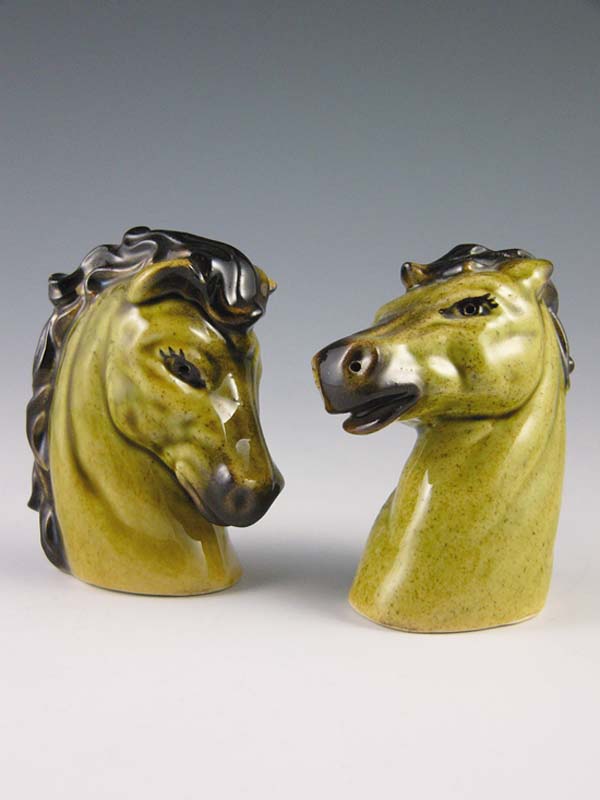
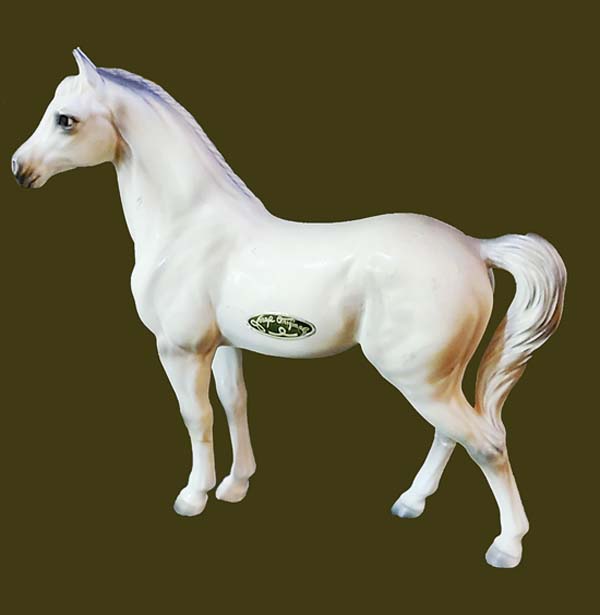
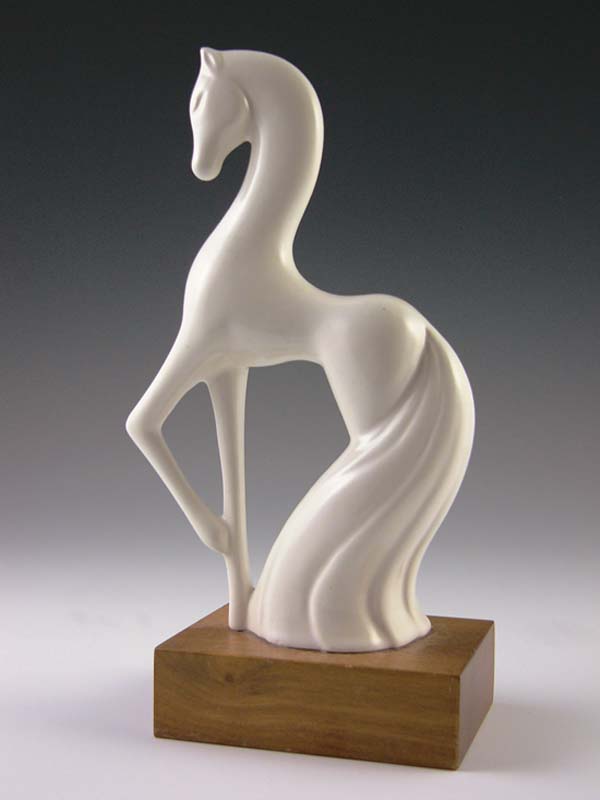
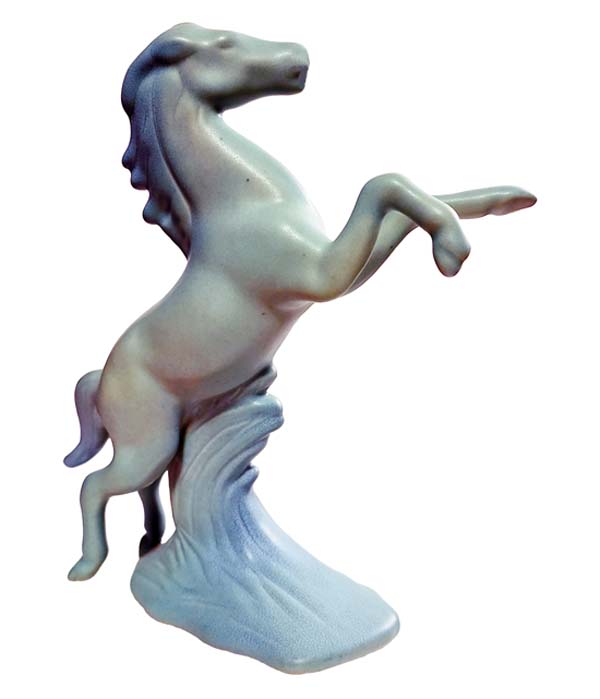
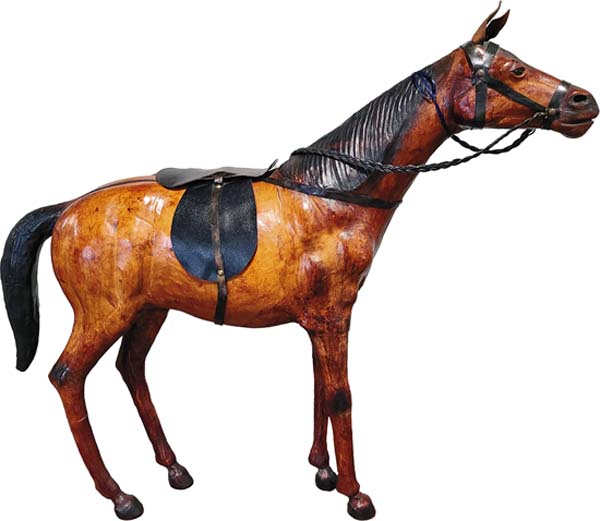
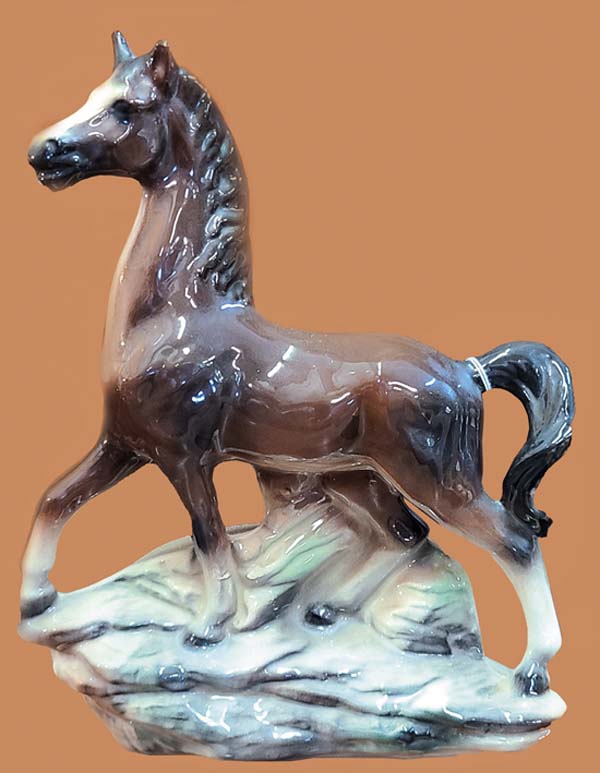
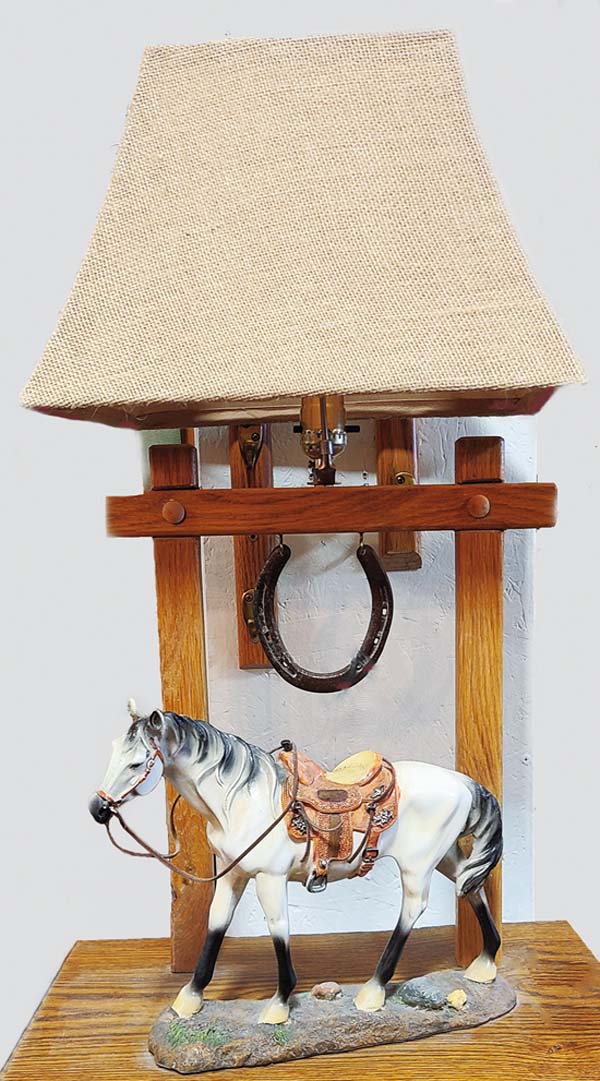
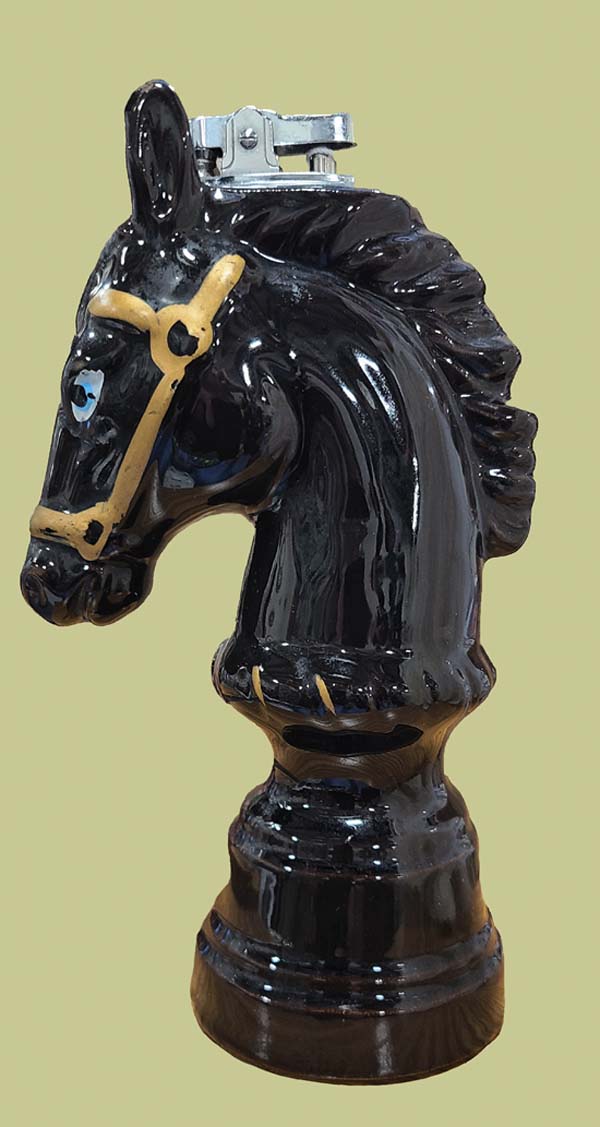
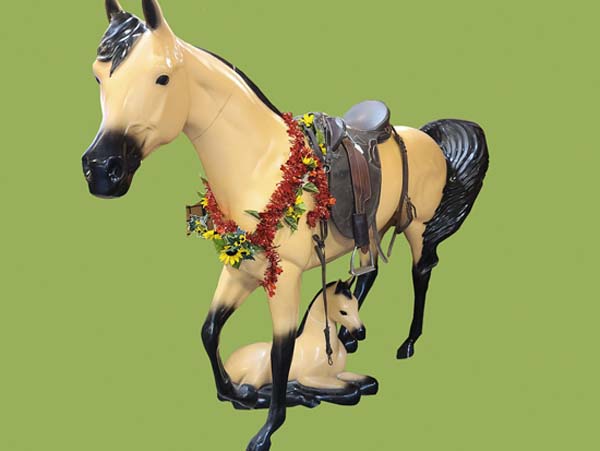
Horses are the stuff dreams are made of, such as Trigger, Black Beauty, Misty of Chincoteague, and Fury. Horses are strong. Theyre brave and loyal. Sometimes, theyre even funny, like Mr. Ed. To many folks, horses are considered members of the family, really large ones. With each pulsing hoofbeat, each tossing mane, were reminded anew of their magnificence. Horses first began trotting their way into the artistic landscape during prehistoric times; cave paintings of the animals date back about 17,000 years. Horse figurines came even earlier: miniatures carved of mammoth ivory emerged during the Paleolithic period (about 30,000 B.C.). More recently (recent = 2500 B.C.), figurines of horse-drawn chariots appeared in ancient Greek and Roman art. By the 14th-century Renaissance era, an entire stableful of horse art was let loose into the pasture, including an enormous (and uncompleted) equine monument by Leonardo da Vinci. As the centuries progressed, horses found themselves playing supporting roles in a series of visual stories: field scenes; transportation scenes; battle, hunting, and racing scenes; and plenty of sporting events. Finally, during the 18th and 19th centuries, good horse sense came into play, and horses themselves became artistic focal points. Using anatomical drawings as references, painters and sculptors were able to more realistically capture their bone structure, movement, and line. No more rocking horse art, with front and back legs fully extended. A better understanding of the variations in horse gaits meant artisans could successfully blend artistic license with reality. Now, when a horse sculpture seemed to come thundering toward you, it was hard to resist the urge to flinch. By the mid-20th century, horse figurines had made it across the finish line as decorative must-haves for the home. Nearly every individual craftsperson or firm joined the horse brigade to create figurals that would meet with public approval. Some managed an entire roundup. The prolific Betty Harrington, of Madisons Ceramic Arts Studio, went for artistically enhanced realism in such creations as her Horse Heads salt-and-peppers. However, she was equally at home with interpretations less bounded by reality, as in her futuristic Modern Colt, with its gaunt figure and attenuated limbs. Some ceramists, like Muriel Joseph George of Josef Originals, were comfortable closely mirroring real life (her horse figurals are actually more realistic than the human figurines she became famous for). Other designers of the 1940s and 50s viewed reality as just a starting gate. The horse basics were there, the mane, the tail, the pounding hooves, but once that was set, it was time to kick over the traces. Several achieved success by over-emphasizing defining characteristics. The glacially windswept locks on a horse by Howard Pierce are meant to be the mane attention-getter. Its hard, however, to imagine a horse with this ones oversize head and foreshortened body actually making a go of it in real life. With Roselanes Fantasy Horse, its the tail that takes center stage, imaginatively lush and swooping to the floor. And, Marc Bellaires abstract dappled dobbin is wonderful to look at it, but, in reality, hed have trouble balancing on those stubby little legs. Still, the image of what a horse is has become so deeply imbedded in our consciousness that we immediately recognize and accept each of these interpretations as valid. Even decked out with Lucite tails (Elzac), or with multitudes of golden bows (Copa de Oro), we know what were looking at: a horse is a horse, of course, of course. Horse figurines could be made of whatever material sparked the imagination, from the traditional (ceramic, glass, metal, chalk, or plastic) to the less likely (papier-mch, leather). And, while many were static, others did double duty as TV lamps/planters, salt-and-peppers, cigarette lighters, and even hors doeuvres servers. Fortunately, since many mid-century horse figurines were mass-produced, they remain readily available and affordable. With a bit of smart horse-trading, todays collectors can easily corral a herd of blue ribbon winners! Photo Associate: Hank Kuhlmann. All photos by Donald-Brian Johnson and Hank Kuhlmann. Donald-Brian Johnson is the co-author of numerous Schiffer books on design and collectibles, including Postwar Pop, a collection of his columns. Please address inquiries to: donaldbrian@msn.com.
Share & Print






SHARE
PRINT