James McNeill Whistler For The 21st Century
October 16, 2026
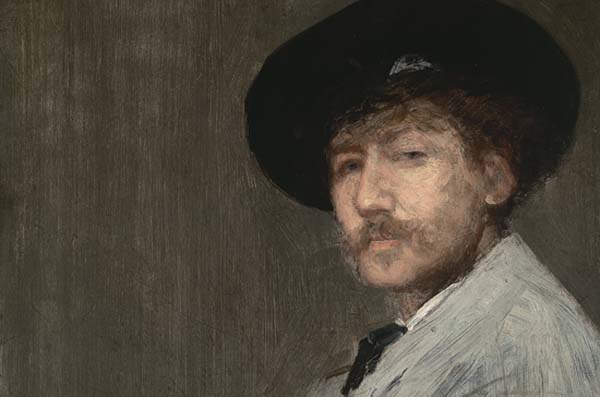
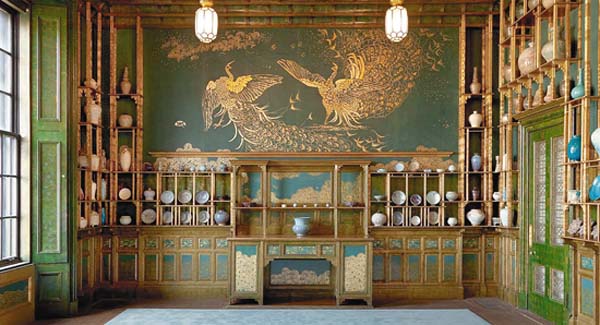
The Smithsonians National Museum of Asian Art will present the exhibition James McNeill Whistler, uniting the London-based Tate Britains major retrospective on the American artist with unique Whistler works held exclusively at the Smithsonian museum. Open Friday, Feb. 12, 2027, to Sunday, July 11, 2027, the exhibition will offer an unprecedented look at the entire range of work of one of the most innovative and controversial artists of the 19th century. It presents these insights into James McNeill Whistlers life, art and global inspirations at the museum founded by his friend and patron, Charles Lang Freer. James McNeill Whistler is the first major international retrospective on the artist in 30 years and brings together works from 20 major collections across Europe and the U.S., including the National Gallery of Art, the Detroit Institute of Arts and the White House. The National Museum of Asian Art is the traveling exhibitions only stop in the U.S., where it will be installed alongside the museums expansive collection of Whistlers works. Objects from the museums Japanese and Chinese collections will appear throughout the galleries to contextualize the transformative influence of East Asian art on Whistlers artwork. The exhibition also coincides with the museums launch of a new immersive virtual-reality (VR) experience of Whistlers only surviving intact interior, the Peacock Room, which turns 150 years old in 2027. At the museum, audiences can complement their viewing of James McNeill Whistler with a visit to the Peacock Room alongside the newly completed interactive VR experience, allowing a close look at the rooms dramatic history. Our museum not only holds the largest and most diverse Whistler collection in America, but it is also uniquely qualified to present Whistlers global perspective, including how Asian art inspired and shaped the artists practices, said Chase F. Robinson, director of the National Museum of Asian Art. By bringing the Tates monumental exhibition here, we reflect on a Whistler moment for audiences to discover the full legacy of this singular artists life and work. This exhibition offers audiences the rare opportunity to see how Whistler altered the course of modern art through bold experimentation across all media, said Diana Greenwold, the museums associate director for curatorial affairs, the Lunder curator of American Art and the exhibitions in-house curator. So much of what we consider modern, from abstracted landscapes to white-cube gallery installations, stems from Whistlers ideas and innovations, continued Greenwold. More than 100 paintings, prints, watercolors and pastels reveal Whistlers many dimensions, his boldness, humor and insistence on pushing boundaries. Visitors can explore how Whistler changed modern art and examine his role as an American expatriot and agile navigator of different social classes. The exhibition highlights the influence of accomplished women in his life, including his wife, Beatrice Whistler. The exhibition also debuts insights about techniques through the Whistlers Finish conservation research project. This research has uncovered the artists radical methods, including how he experimented with paint in his Nocturnes works that foregrounded modern abstraction. The galleries will showcase some of Whistlers most groundbreaking works, such as his Nocturnes and Symphony in White: The White Girl, as well as rarely seen paintings,early sketches and rare etchings from over 1,300 Whistler objects in the museums collection. James McNeill Whistler also explores the artists free-ranging technique by showing an assortment of his tools, such as paintbrushes and original copper-etching plates that Freer collected. Because of Freers bequest and its restrictions, these Whistler works can only be viewed on location. This exhibition is organized by Tate Britain, in collaboration with the Smithsonian Institutions National Museum of Asian Art. Support for this exhibition is provided by Jacqueline B. Mars, Ms. Gretchen Welch and Ambassador David Welch, The Edward Smart Charitable Trust, Pamela Hyde Smith, and Hallie and David Swanson. The Smithsonians National Museum of Asian Art opened in 1923 as Americas first national art museum and the first Asian art museum in the United States. It now stewards one of the worlds most important collections of Asian art, with works dating from antiquity to the present. The museum also hosts an unparalleled collection of 19th- and early 20th-century American art. Located on the National Mall in Washington, D.C., the museum is free and open 364 days a year (closed Dec. 25). The Smithsonian is the worlds largest museum, education and research complex and welcomes millions of visitors yearly. For more information about the National Museum of Asian Art, visit www.asia.si.edu.
Share & Print






SHARE
PRINT