• articles
  • auctions
  • Shows
  • Shops or Centers
  • Marketplace
  • about
  • subscribe
  • Advertise
  • Contact
  • about
  • subscribe
  • Advertise
  • Contact
  • articles
  • auctions
  • Shows
  • Shops or Centers
  • Marketplace
  • e-EDITION

Lighting Things Up: TV Lamps Smack Dab In The Middle: Design Trends Of The Mid-20th Century

By Donald-Brian Johnson - February 20, 2026

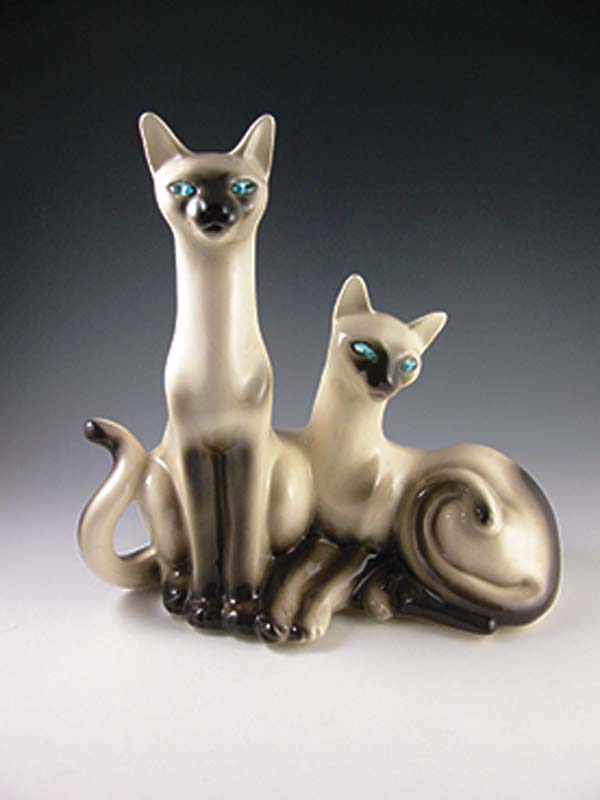
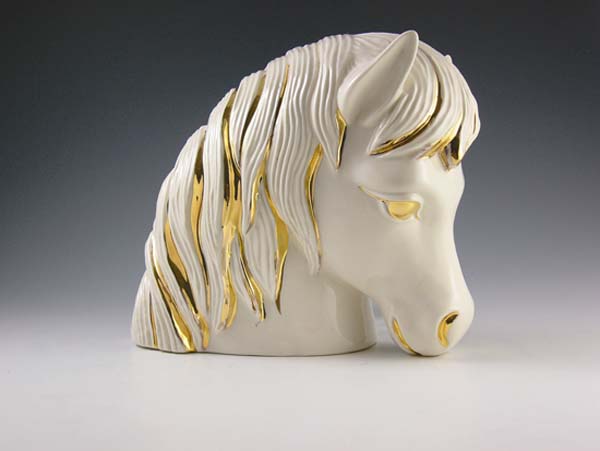
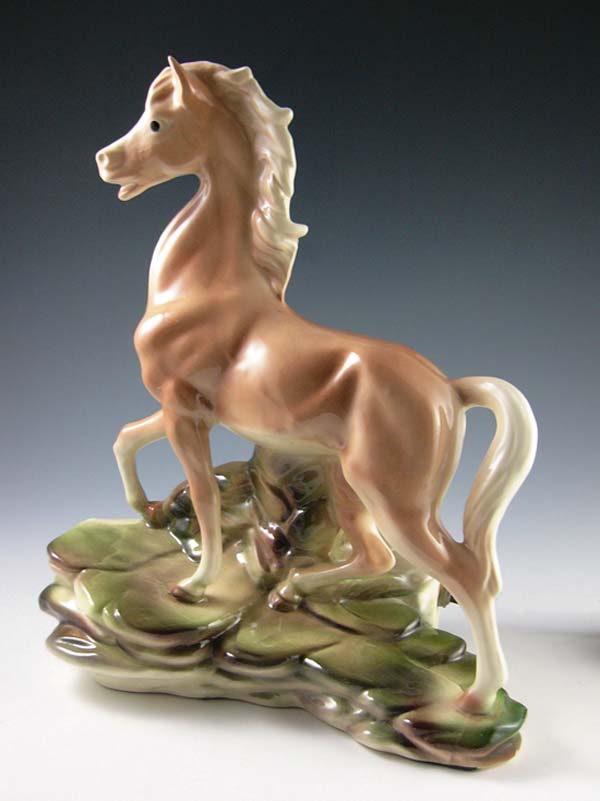
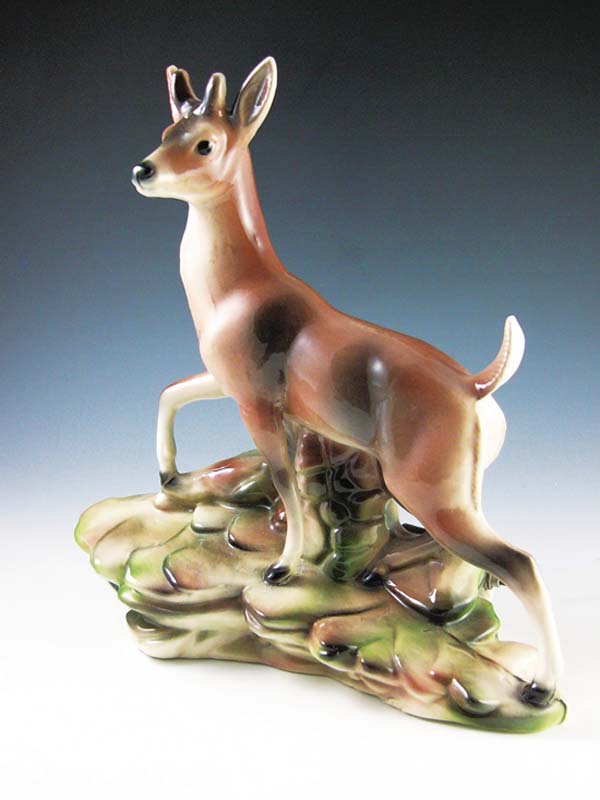
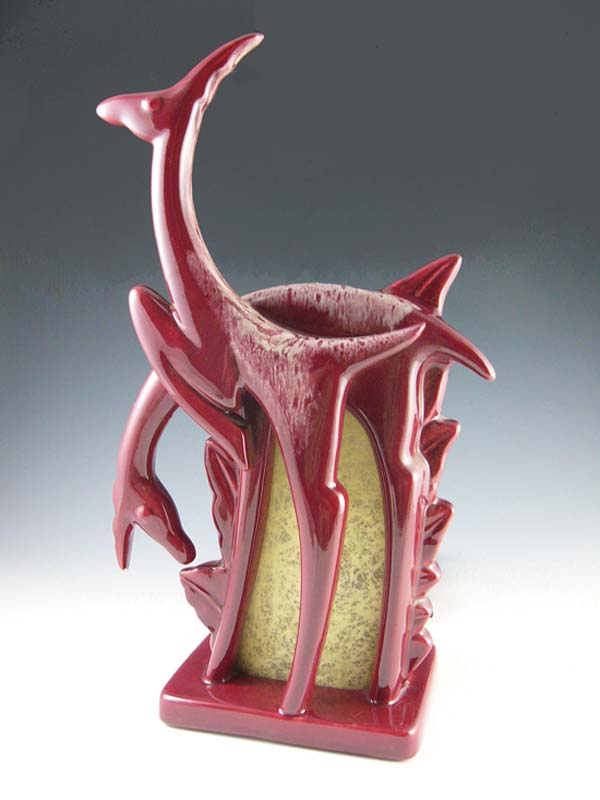
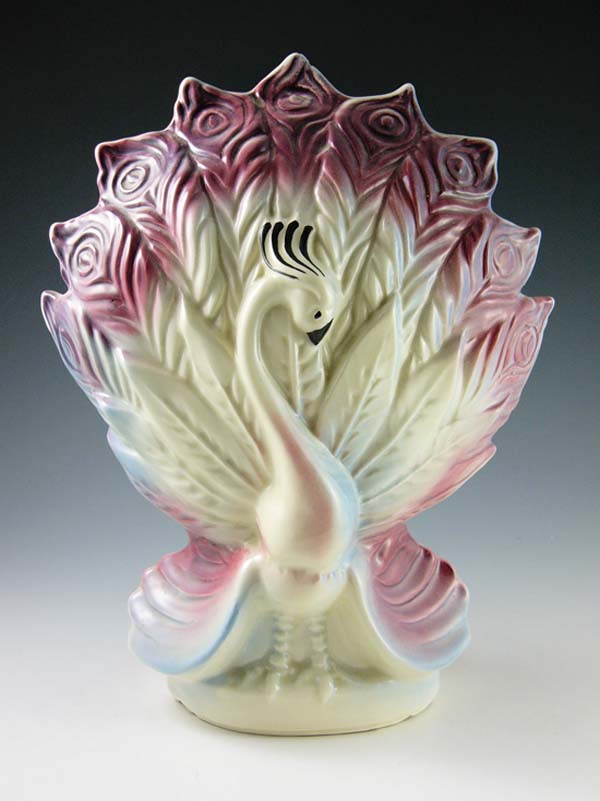
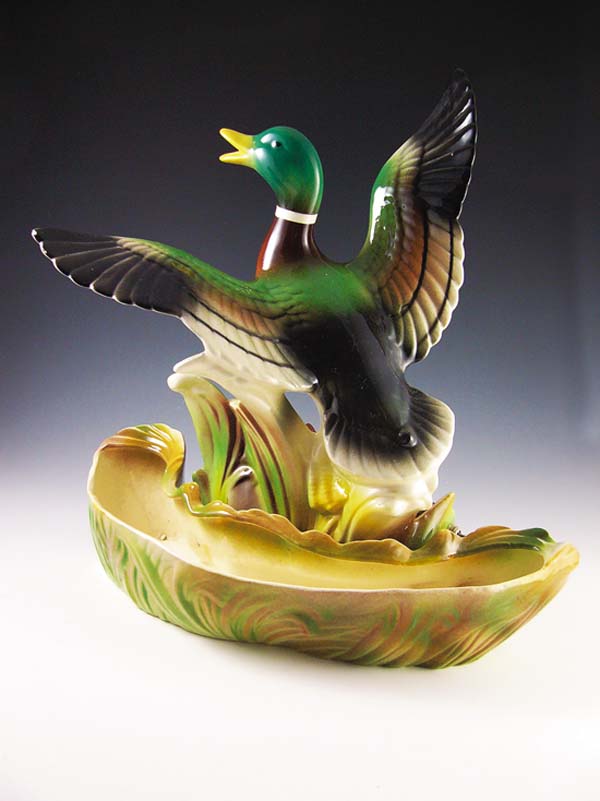
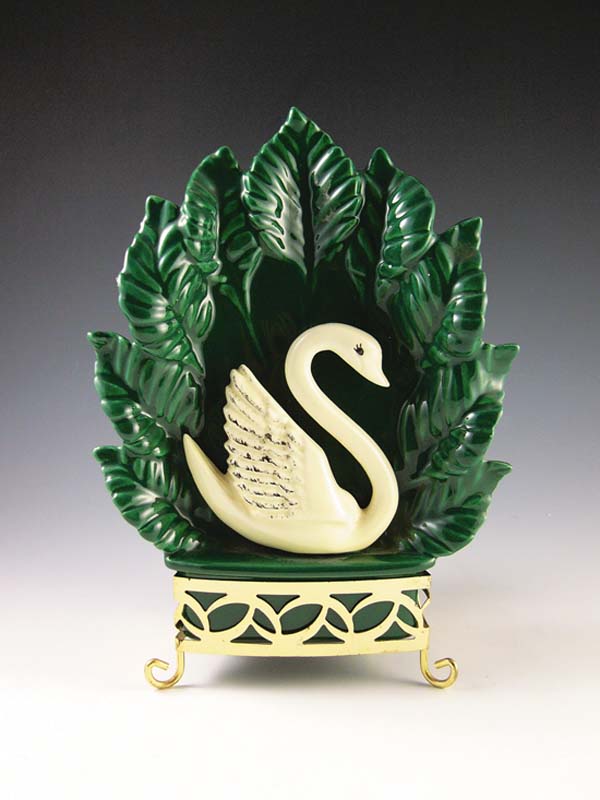
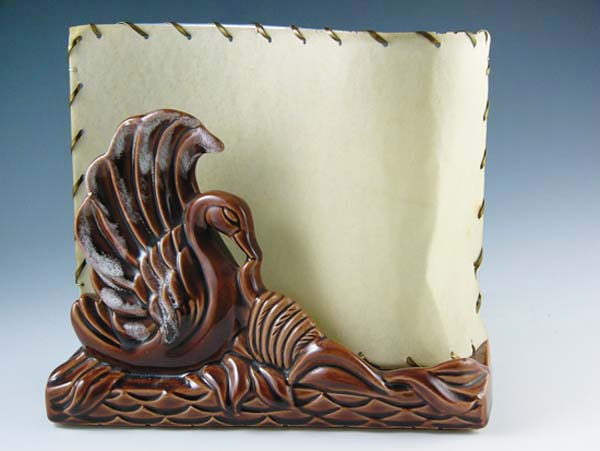
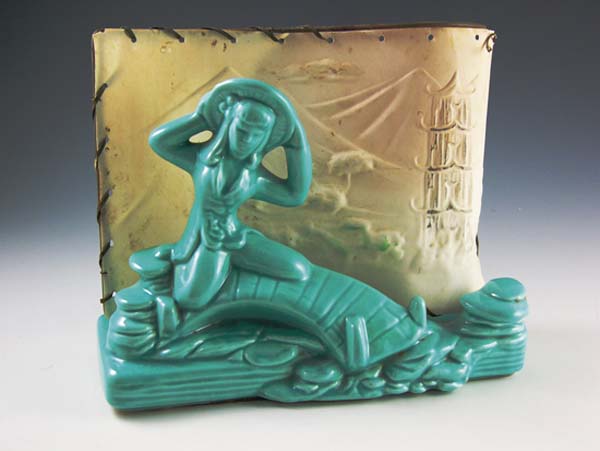
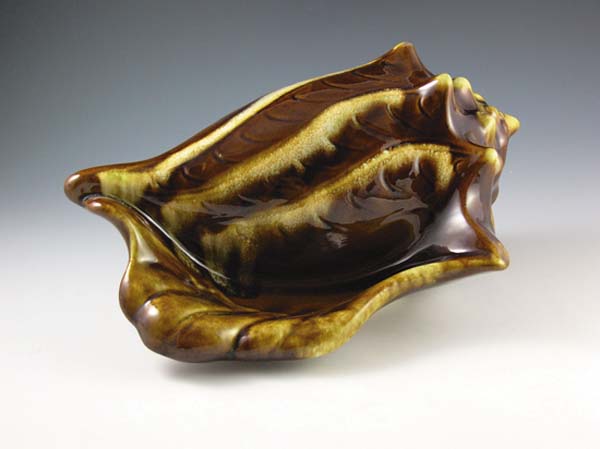
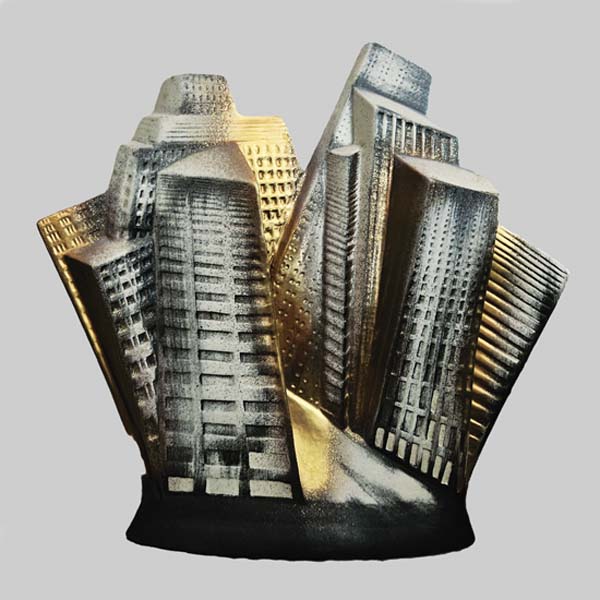
Its the mid-1950s. A cozy evening at home. My little sister and I, elbows propped on pillows, have moved in as close as possible to the television set, awaiting the opening credits of The Adventures of Superman. When the TV screen is only 13 inches, you have to move in close. The rest of the room is pitch dark, the better to see the kinda gray and grainy image onscreen. The Superman fanfare begins! The announcer intones, Faster than a speeding bullet. . . Theres a click. The overhead living room light blazes on. Superman turns even grayer and grainier than usual. Mom has discovered us. How many times do I have to tell you? Watch that TV in the dark and youll ruin your eyes! Yes, it was the mid-1950s. And my folks were, I was sure, the only ones on the block whod yet to make their kids lives happier by investing in a TV lamp. Television lights, to address them more formally, solved the dual problems of providing some light when TV-watching while diverting that light from the screen so as not to wash out the flickering black-and-white visual. The bulb (no stronger than 40 watt) was placed behind a figural or scenic depiction, which acted as a shade. The shaded bulb, with its indirect backlighting, offered a dramatic flourish. But did TV lamps actually keep kids from ruining their eyes? Well, at least they kept Mom from talking about it. Despite their tiny screens, early television sets were comparatively huge (no flat screens in the 50s). The picture tubes which powered them took up plenty of room. And, since the majority of homes boasted only one TV, it was given pride of place in the living room. Most sets were encased in tasteful wooden cabinets, and the cabinet tops were an ideal space for TV lamp placement. Although television technology was underway in the 1930s, WWII claimed it for more urgent uses. The first TV sets didnt hit the markets until 1946. TV lamps, primarily of glazed ceramic or plaster, soon followed, and some dealers threw in a free lamp with each set purchased. Although few lamps carried identifying marks, its estimated that 75-plus U.S. manufacturers (as well as many overseas firms) churned them out, including such names as Haeger, Maddux, and Lane. Themes for these sculptures that light up were myriad. Among the most popular: animals, birds, the seashore (ships, shells, and mermaids), and transportation (from covered wagons to Model Ts). Taking full advantage of the TV lamps lighting possibilities were renditions of Siamese cats and Comedy/Tragedy faces, an eerie gleam glowing through their cut-out eyes. Other lamps doubled as planters, complete with plastic flowers. Stylistic lines were generally clean and flowing, a 50s modern re-interpretation of Art Deco. Soothing colors were utilized to harmonize with the rest of the home environment. The heyday of the TV lamp was brief. By the 1960s, televisions improved picture quality meant that it was no longer necessary to watch TV in near-total darkness. But what to do with all those lamps? Fortunately, their compact size (8 to 14 inches), subdued illumination, and varied themes make them just right as accent pieces around the home. Although prices have increased from the original $15-and-under, many lamps can still be found at well under $300, online, or at vintage shows and shops. Estate sale finds are particularly sought-after, as most were carefully preserved by their original owners. As with other older lamps, rewiring is recommended, but avoid purchasing TV lamps with noticeable cracks or chips. Attempting to restore them to their original condition will do little to brighten your day. Now, if youll excuse me, its time for a rerun of The Adventures of Superman. Im going to turn on the TV lamp, turn on the TV, plop myself down in front of it, and try my best not to ruin my eyes. TV lamps courtesy of Larry Hunt and Mark Dickmeyer. Photo Associate: Hank Kuhlmann. All photos by Donald-Brian Johnson, except as noted. Donald-Brian Johnson is the co-author of numerous books on design and collectibles, including Postwar Pop, a collection of his columns. Please address inquiries to: donaldbrian@msn.com.
back to articles


More Articles

Share & Print

back to articles

SHARE

PRINT

  • articles
  • auctions
  • Shows
  • Shops or Centers
  • Marketplace

Antiques & Auction News is owned and published by Engle Printing & Publishing Co., Inc. and is the source for marketplace news on art and antiques.

  • about
  • Contact
  • Advertise
  • subscribe
logo
©1969-2026 Antiques & Auction News | Privacy Policy| Visitor Agreement