Mythical Creatures In Art Of Europe And The Americas
June 05, 2026
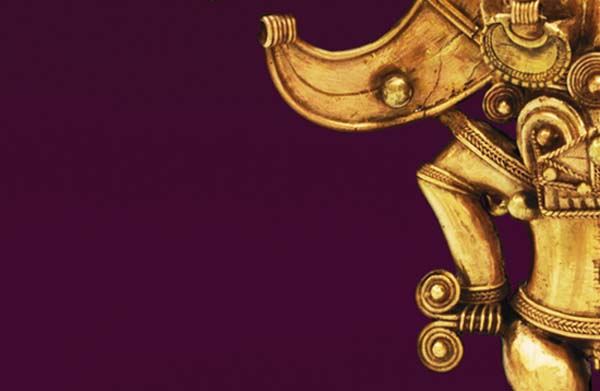
Hybrid beings, imaginary creatures that combine features of different animals, humans, and even plants, abound in the history of art, reflecting the human impulse across time and space to deconstruct, interchange, and reassemble elements of the known world into inventive entities and extraordinary visions. Opening this spring at The Met Cloisters, Creatures of Myth and Imagination: Europe and the Americas will explore fantastic beings in the visual arts over the course of a millennium, from 500 to 1500 CE. A collaborative effort between The Metropolitan Museum of Arts Met Cloisters location and Michael C. Rockefeller Wing at The Met Fifth Avenue, this exhibition will illuminate the parallel but independent traditions of Europe and the Americas to investigate the multiple functions of works depicting hybrids and the roles these objects played in peoples lives. The exhibition will be on view through Oct. 18. The exhibition is made possible by the Michel David-Weill Fund. Artistic traditions throughout human history have included images of fantastical hybrid creatures that combine elements of the natural world to evoke extraordinary, otherworldly powers, said Max Hollein, The Mets Marina Kellen French director and chief executive officer. Bringing together works from two distinct cultures, Creatures of Myth and Imagination will illuminate the recurring motif of the mythical being and reveal the shared fascinations that drive creativity across time and space. Supernatural, composite beings are key figures in the telling of stories, the making of myths, and the bridging of heaven and earth. Above all, they expand the spheres of action of their worldly counterparts. This exhibition explores how, in the hands of artists, imaginary creatures take on physical form and participate in many facets of human experience, said Julia Perratore, associate curator at The Met Cloisters. Created from the stuff of nature, hybrid creatures are supernatural, endowed with powers beyond the visible and the knowable, added Laura Filloy Nadal, curator in The Michael C. Rockefeller Wing. Above all, these creatures of myth and imagination provide us with ways of thinking about essential questions: they are ways of understanding who we are, and where our boundaries lie, noted Joanne Pillsbury, Andrall E. Pearson curator, Arts of the Ancient Americas in The Michael C. Rockefeller Wing. Creatures of Myth and Imagination will present over 50 objects, including paintings, sculpture, ceramics, ivories, textiles, and metalwork. Drawn mainly from The Met collection, the objects displayed will demonstrate how the varied materials of artistic expression are mobilized to create the uncreated. This will be the first time that art of the ancient Americas will be presented at The Met Cloisters, opening up exciting new avenues of dialogue between objects rarely seen together. The exhibition will also feature key loans from the Museo del Templo Mayor, part of the Instituto Nacional de Antropologa e Historia in Mexico City, including a remarkable sculpture of Tzinacantecuhtli, the Zapotec bat lord, that has never before traveled to New York. This exhibition is accompanied by the Spring 2026 issue of The Metropolitan Museum of Art Bulletin. The Mets quarterly Bulletin program is supported in part by the Lila Acheson Wallace Fund for The Metropolitan Museum of Art, established by the co-founder of Readers Digest. The Met Cloisters is located at 99 Margaret Corbin Drive, Fort Tryon Park, New York City. To learn more, visit www.metmuseum.org.
Share & Print






SHARE
PRINT