New Museum Building Among Major New Plans
June 05, 2026
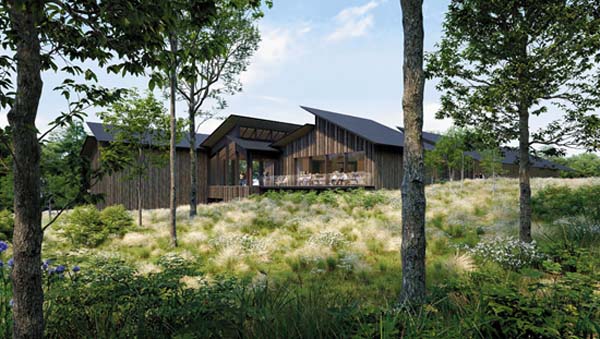
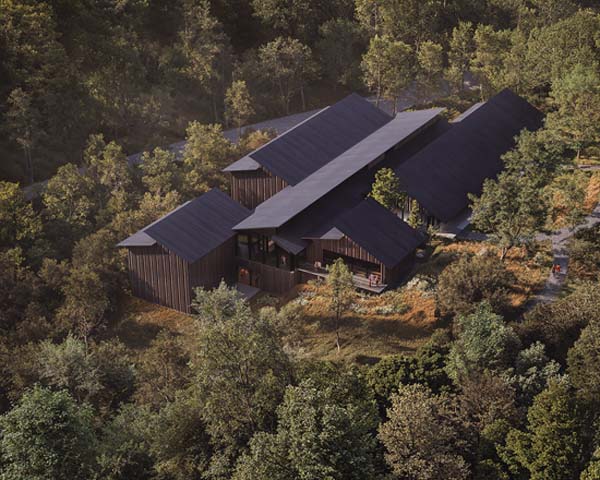
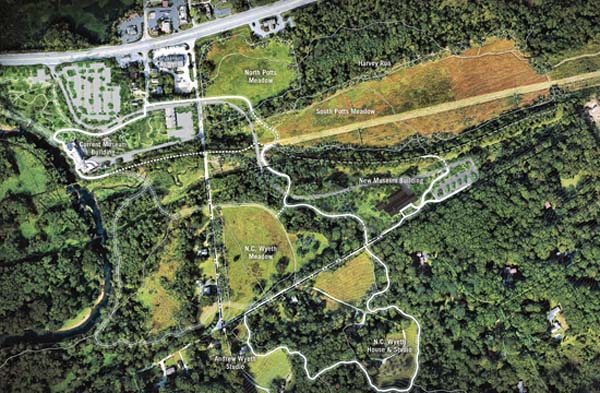
Brandywine Conservancy & Museum of Art has announced an approximately $100 million project that will result in a transformation and expansion of the organizations 15-acre campus. The project includes construction of a 40,000-square-foot new museum building designed by Kengo Kuma & Associates, the architects first museum building in the U.S., along with significant renovations to the Brandywine Museum of Arts beloved historic mill building. Landscape design for the expanded campus will be led by Field Operations and will include a remarkable expansion of the current Chadds Ford campus into a 325-acre public preserve and garden featuring 10 miles of trails bookended by the two museum buildings. When completed, the new trails will create a loop through the changing landscape between both museum buildings, as well as the original studios of N.C. Wyeth and Andrew Wyeth. To date, the Brandywine has raised nearly 50 percent of the estimated project costs, reflecting strong early support from donors committed to the institutions vision for American art and nature. Construction is planned to begin in spring 2027, with the new building opening scheduled for fall 2029. Since our founding in 1967, our vision has been to preserve the land that inspired so many artists, said Virginia Logan, The Frolic Weymouth executive director and CEO of Brandywine Conservancy & Museum of Art. As we approach our 60th anniversary, this campaign fulfills that founding vision at a transformative scale. Were creating an experience of quiet elegance where light-filled spaces connect you to the surrounding preserve, where visitors move from contemplating American art in our galleries to walking the landscapes that inspired it, understanding through this journey how art, nature, and conservation exist in enduring harmony. The original museum building, a converted mid-19th-century grist mill on the banks of the Brandywine Creek, will continue to serve as a vital hub of activity and an integral part of the visitor experience. Significantly damaged by historic flooding from Hurricane Ida in 2021, the mill building recently underwent a state-of-the-art flood-hardening process using submarine-grade technology to make the lower level of the building watertight, safeguarding it against future severe flooding events. Several areas of the building were also recently renovated to replace public programming spaces previously located on the lower level, including modifications to the museums outdoor courtyard, which now provides a barrier-free entrance, making it easier for audiences of all ages and abilities to access the building. It is not an exaggeration to say that this expansion to our campus completely reimagines the visitor experience to Brandywine and how the public interacts with our collections and exhibitions, said Thomas Padon, the James H. Duff director of the Brandywine Museum of Art. The new building will make it possible for us to present richer, fuller, and more nuanced interpretations of American art, whether from our unparalleled Wyeth collection or our significant holdings in landscape paintings and American illustration, as well as larger and more flexible spaces for special exhibitions. At the Mill building, a beloved part of the Brandywine experience, visitors will continue to see works from the collection in an intimate setting and have access to a wider array of programs and events than we could previously accommodate. Beyond the walls of the two museum buildings, the expansion project will completely transform the Brandywines current 15-acre campus into a 325-acre public preserve and garden that is envisioned as a learning landscape, allowing visitors to experience more fully the land and the critical work of the conservancy in new ways. Designed by the landscape architecture firm Field Operations, the campus will offer 10 miles of trails, more than double the trails in place now, including sections with a boardwalk that will travel through wetlands. The expanded campus will be surrounded by native plants, a cornerstone of the conservancys work, and will incorporate new interpretive signs highlighting the local ecology. The area around the new museum building will feature innovative stormwater infrastructure, integrating cutting edge tools for weather resilience into the joy of the museum experience. Landscape design will also include a new approach to the original museum building, with improved drop-off and parking areas, as well as expanded native gardens along the creek that will function as both landscape infrastructure and a central landscape feature. Every element of our landscape design, from the plantings to the interpretive moments along the trails, is intended to deepen visitors understanding of stewardship and their connection to the natural world, said Sarah Weidner Astheimer, partner, Field Operations. The Brandywine Valley is a landscape of profound ecological significance, and our design for the expanded preserve and gardens seeks to reveal and celebrate both, while raising awareness of the essential, but often less visible, work of the conservancy. Moreover, the additional miles of trails we are creating will immerse visitors in the surrounding environment in ways that allow people to experience firsthand the relationship between this land and the art it has inspired. The Brandywine Conservancy & Museum of Art is in Chadds Ford, Pa.
Share & Print






SHARE
PRINT