O Christmas Trees! Holiday Happiness With All The Trimmings Smack Dab In The Middle: Design Trends Of The Mid-20th Century
By Donald-Brian Johnson - December 26, 2025
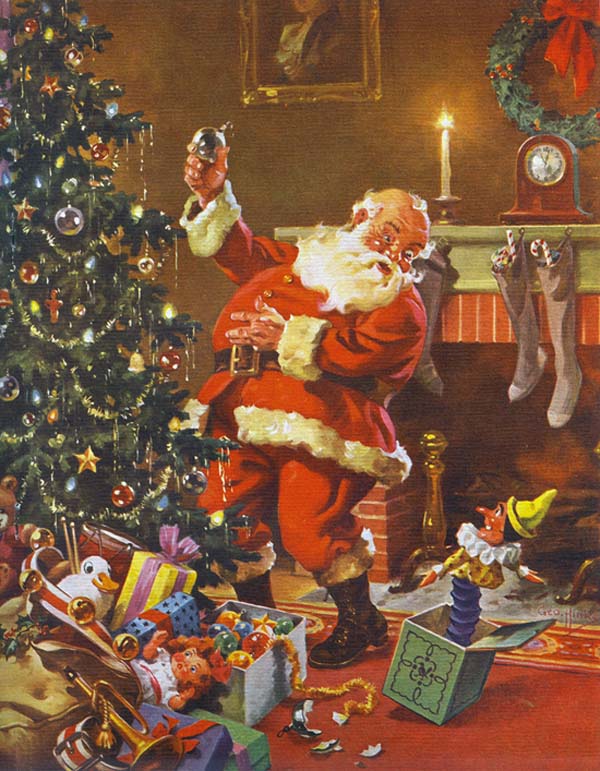
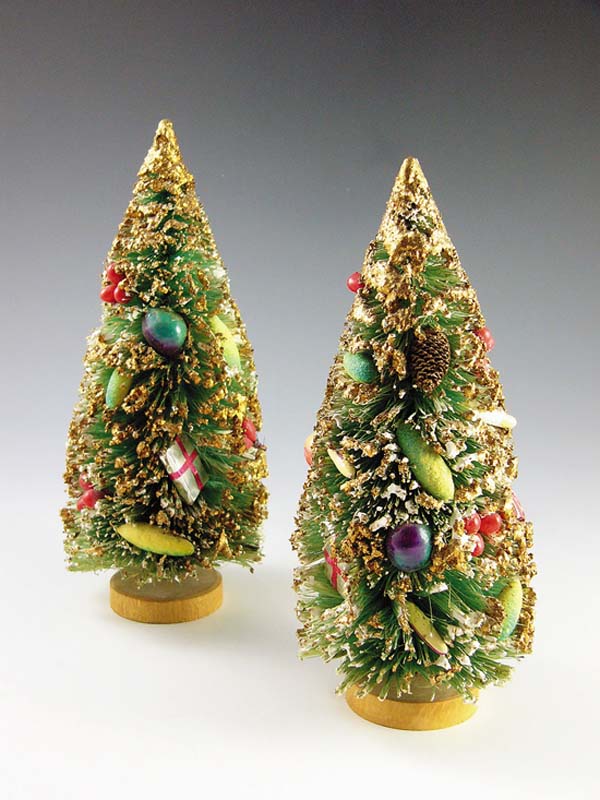
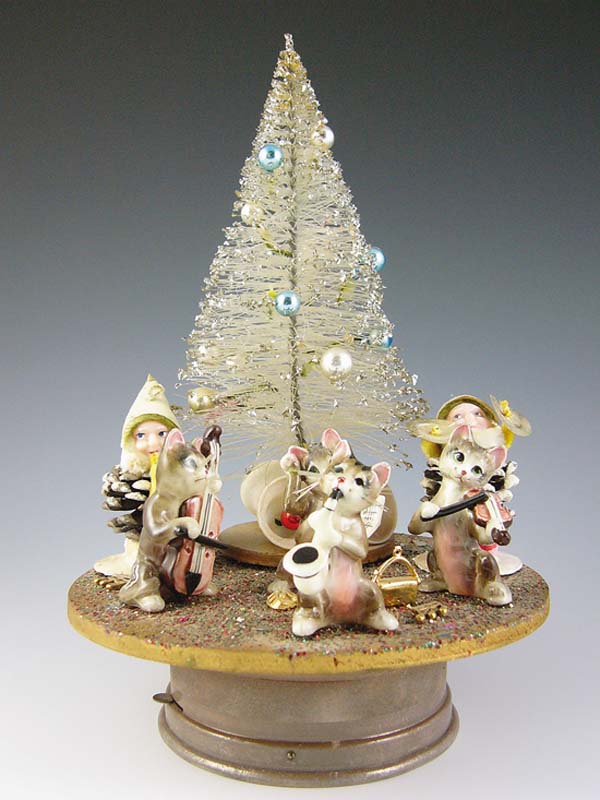
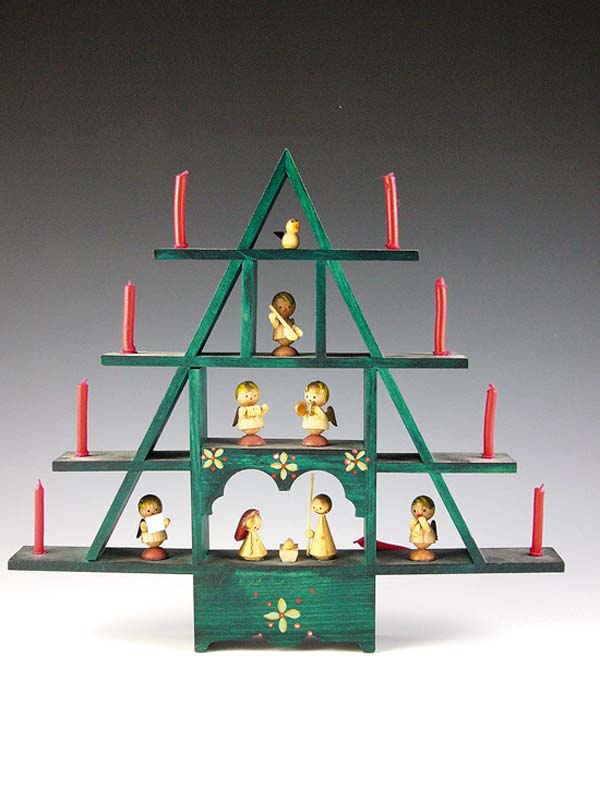
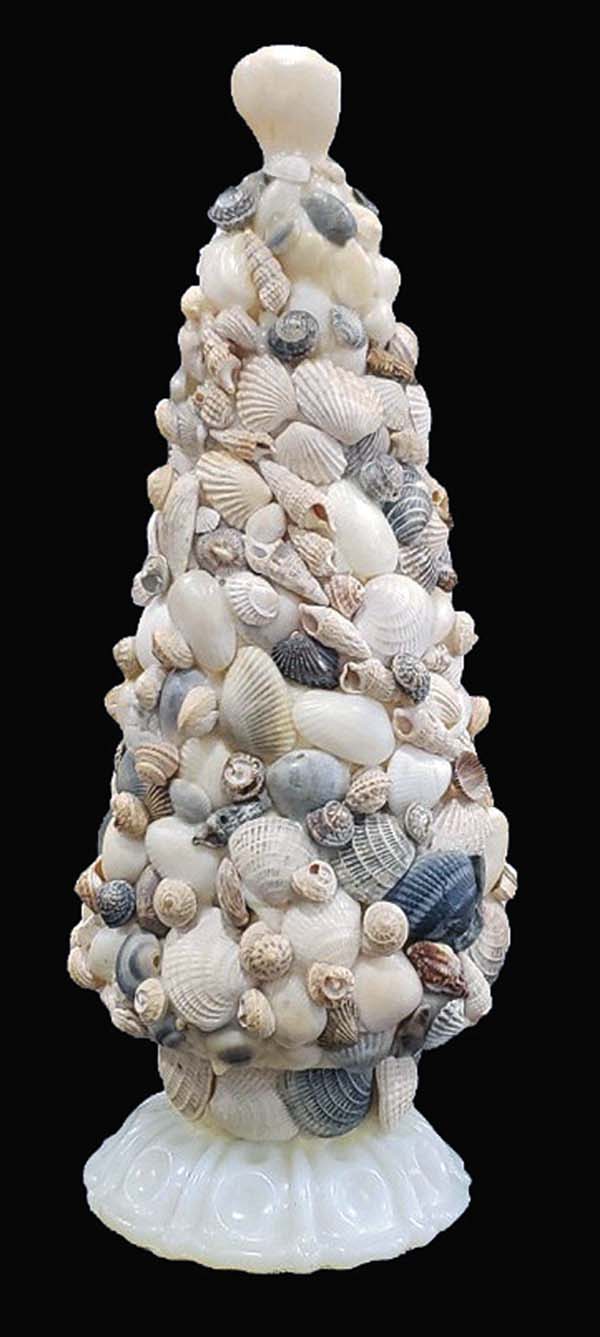
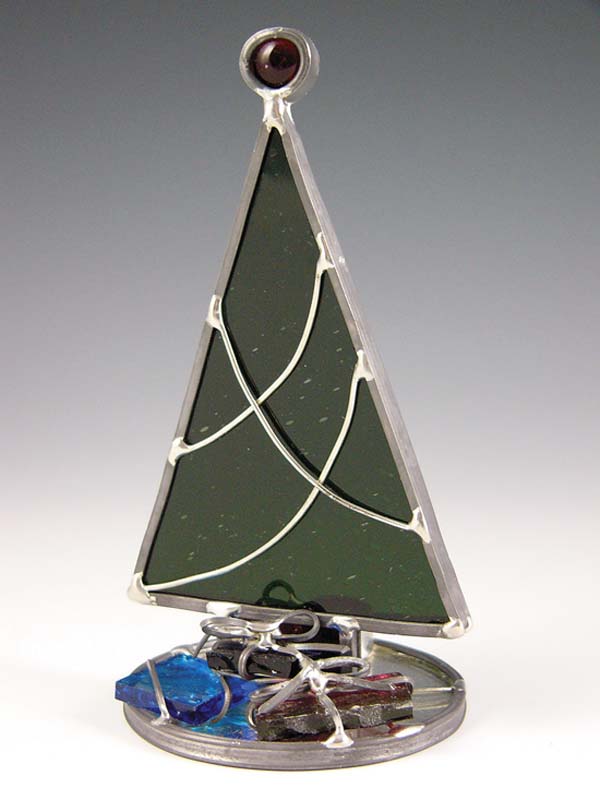
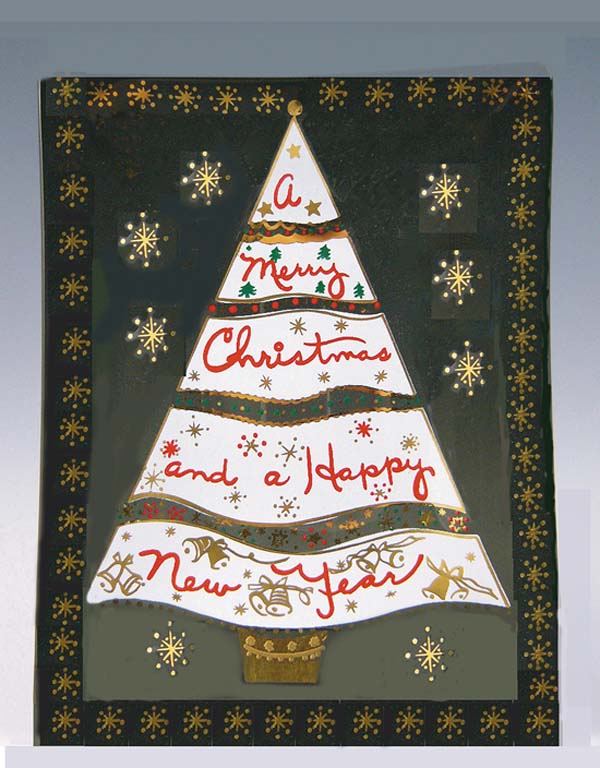
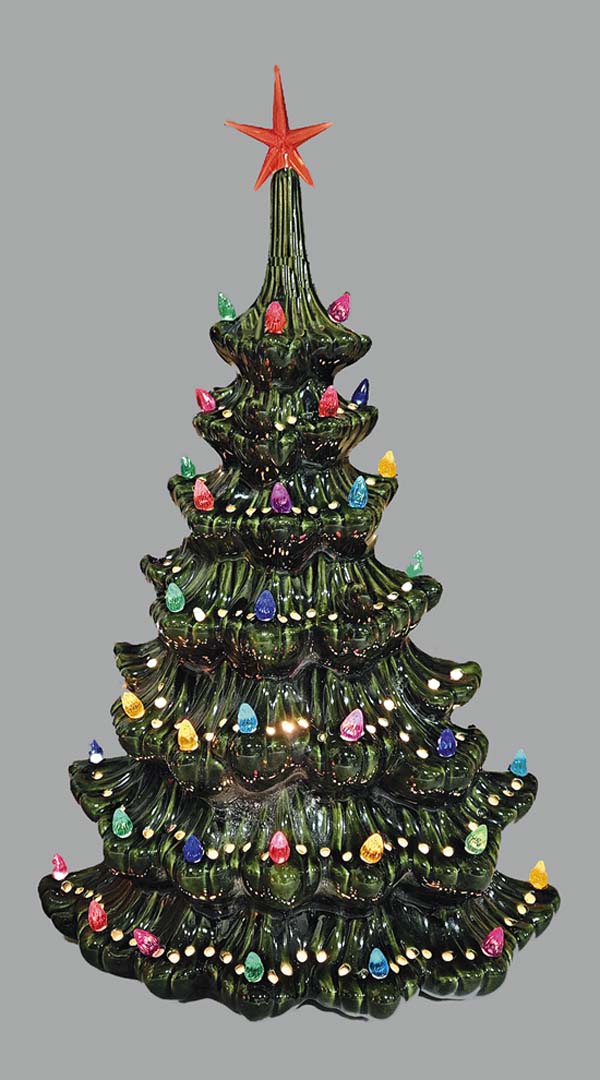
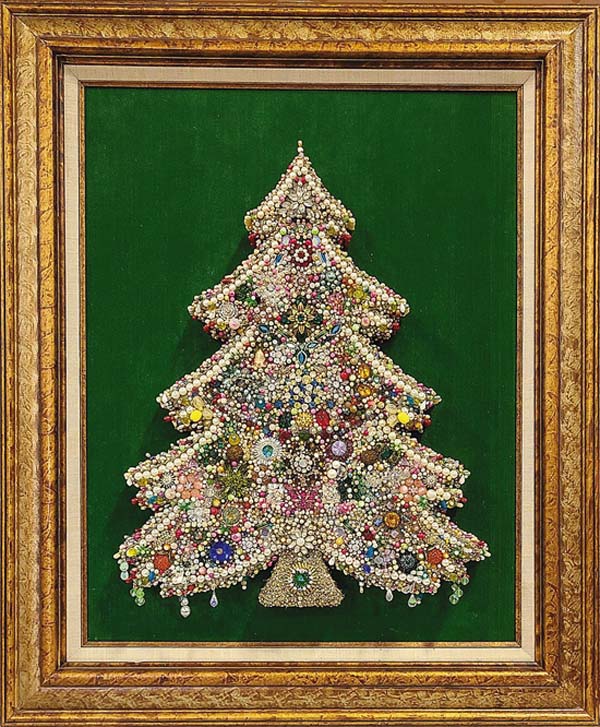
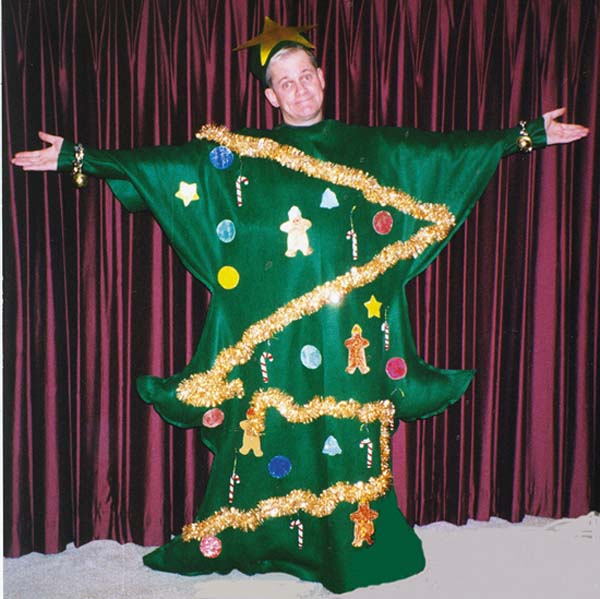
O Christmas tree, O Christmas tree, How lovely are thy branches! And thy lights. And thy ornaments. And even thy hard-to-put-on-and-even-harder-to-vacuum-up tinsel. According to legend, the Christmas tree was a Martin Luther brainstorm. Sparkling stars, seen through the limbs of a forest fir, prompted Luther to place candles on the branches of a tree at his home, recapturing the starry effect. Prince Albert, German husband of Queen Victoria, brought the Christmas tree tradition to England. An 1848 Illustrated News holiday portrait of the Royal Family, complete with decorated tree, gave the custom widespread attention. By 1850, its widespread popularity had spread to America. For those whose childhoods spanned the 1950s and 60s, the most familiar Christmas tree is a traditional towering green one. Laden with tinsel, dripping with ornaments, and bedecked with ungainly colored light bulbs, the green tree was the baby boomers ideal. Most green trees of the period were real, although artificial trees had been introduced in 1950 by the Addis Brush Company. When the swinging 1960s swung in, so did the flocked tree. The intent was to depict a snow-covered moonlit evergreen, enhanced by hundreds of tiny twinkle lights peeping through artificial snow. White flocking was the norm, but phosphorescent blue trees and Pepto-Bismol pink trees also had their fans. Home flocking kits were available for ambitious folk. For the less skilled, pre-flocked trees were available. Another staple of the era was the silvery aluminum tree with pom-pom branches. This was more a modern-age idea of a tree, rather than anything realistically tree-like. But still, under a rotating color wheel it looked terrific. Early trees were illuminated with candles. In the late 1800s, these were affixed to the tree branches with melted wax. Candleholders came into use in the 1890s. Edward Johnson, a Thomas Edison employee, first brightened a tree with electric bulbs in 1882, but for several decades the process was too cumbersome and costly for home use. Then, in 1917, Albert Sadacca (just 15 at the time), invented the safety Christmas light, prompted by a candle-lit tree tragedy in New York. Alberts invention became the cornerstone of the NOMA Electric Company, the worlds largest supplier of holiday lighting and leading manufacturer of those big bulbs fondly remembered from the 50s. Another 50s favorite was bubble lights, tubes of fluid attached to globular plastic lighted bases, calling to mind the tree candles of earlier times. While the first tubes sometimes leaked or refused to produce bubbles, less trouble-prone modern versions have enjoyed a resurgence. Twinkle lights arrived relatively late in the game, first captivating consumers in the 1960s. Their tiny size focused attention on the illumination, rather than on the bulb. Providing the personalized touch: tree trimmings! Apples, gilded candies, twists of colored paper, and even flowers were all early versions of Christmas tree ornamentation. By the early 20th century, homespun eye-catchers, such as strings of popcorn and berries, had been joined by painted glass ornaments, both imports and domestic. Whether ball-shaped, star-shaped, cone-shaped, or any shape imaginable, these are colorfully fragile bits of Christmas cheer to treasure. Theme trees (such as all red bows) had their day in the decorating sun, but the most popular Christmas trees are those where decorating imagination runs rampant. That imagination extended to items that carried the Christmas tree theme throughout the house. There are Christmas-tree-shaped serving dishes, mid-century ashtrays, table trees made of everything from ceramic and glass, to shells, bottle brushes, and pine cones. A 1958 holiday homemaking magazine even suggested a do-it-yourself Spiral Tree. Its basic components: a dog dish, a pie tin, and plenty of eight-gauge copper wire. As most vintage tree-themed dcor pieces were mass-produced imports, they remain both readily available and relatively inexpensive. Most (other than musicals) are under $30, so you can snag a sleighful without asking Santa for a loan. Now, lets see. . . who wants to help me untangle these lights? Happy Holidays! Photo Associate: Hank Kuhlmann. All photos by Donald-Brian Johnson, except as noted. Donald-Brian Johnson is the co-author of numerous books on design and collectibles, including Postwar Pop, a collection of his columns. Please address inquiries (or Christmas greetings) to donaldbrian@msn.com.


Share & Print






SHARE
PRINT