Rarely Seen Gothic Architecture Drawings On View For The First Time Gothic By Design: The Dawn Of Architectural Draftsmanship Will Feature Over 90 Works
March 06, 2026
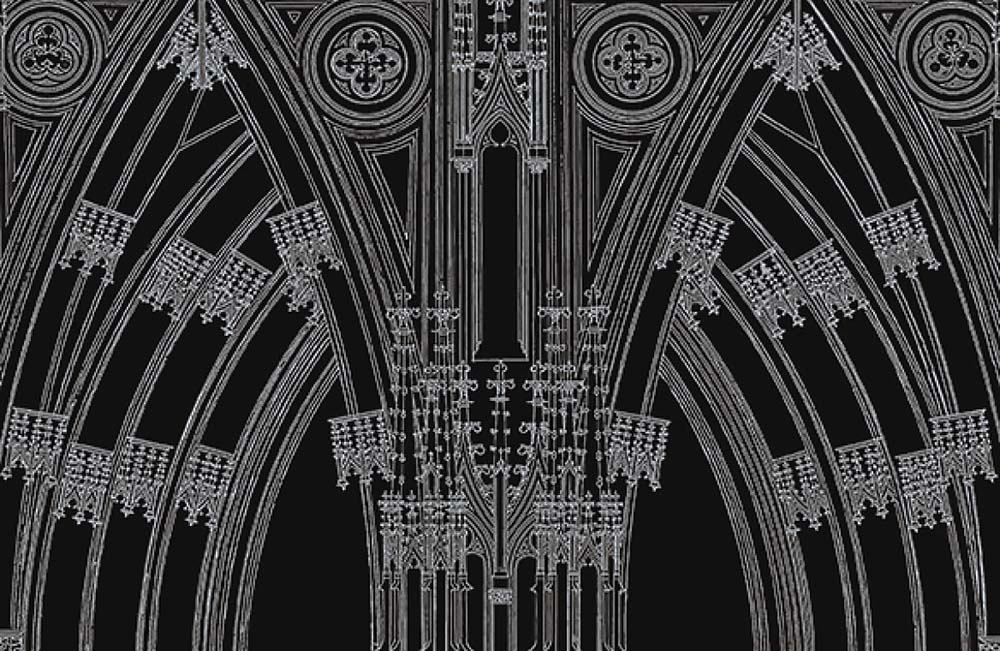
This spring, The Metropolitan Museum of Art will present Gothic by Design: The Dawn of Architectural Draftsmanship, the first-ever exhibition to examine Gothic architecture drawings in an art historical context. The Gothic era produced some of the most monumental and beautiful structures of the Western world, recognized to this day as icons of the European cityscape, yet rarely discussed as the product of the ingenious and innovative contributions of individual architects. This design legacy has, however, been preserved in a substantial though obscure body of preparatory drawings and prints. Gothic by Design will introduce this remarkable body of work to a general audience and the scholarly community, illuminating the significant impact the practice of drawing had on stylistic developments during the Gothic period. The exhibition will be on view from April 13 through July 19. The exhibition is made possible by the Placido Arango Fund and the Gail and Parker Gilbert Fund. Additional support is provided by The Schiff Foundation, Gilbert and Ildiko Butler, and The Michael and Patricia ONeill Charitable Fund. Until now, few have been given a glimpse into the meticulous design process that imbued Gothic architecture with its most sublime qualities, said Max Hollein, The Mets Marina Kellen French director and chief executive officer. This exhibition will illuminate the work of visionary designers, showcasing drawings and objects of immense creativity and inviting the public to engage more deeply with a magnificent architectural tradition. With over 90 works including drawings, prints, books, manuscripts, goldsmiths work, and architectural elements drawn from The Met collection and over a dozen lenders, Gothic by Design brings together a large group of graphic works that showcase Gothic architectural design and craftsmanship. Many of the artworks represent exceptional loans that will travel to the United States for the first, and likely only, time for this feature exhibition. Juxtaposing drawings and prints from the 13th to 16th century with key objects from the period, the display will focus on strategies of design, including collaborative practices, modular design, and morphologies of form. Offering audiences the rare opportunity to engage at length with little known, yet often monumental masterpieces of the Gothic era, the exhibition will explore themes that resonate across time and culture, including identity and legacy building, artistic development and creative exploration, and ingenuity and wit in design, added Femke Speelberg, curator, department of drawings and prints at The Met. Until now, the remaining body of Gothic architectural drawings has chiefly been studied by a small number of architectural historians who approach the drawings primarily as blueprints for existing buildings. Excluded from surveys of early drawings, they have never been looked at from a wider art historical perspective; in fact, many scholars are unaware of their existence. Similarly, there is at present no study dedicated to drawings and prints for goldsmiths work and other small-scale objects for the period before the High Renaissance, and it is often assumed that goldsmiths rarely drew, instead commissioning painters or sculptors to create designs for them. There is ample evidence to suggest, however, that goldsmiths did draw and were even commissioned to design beyond their own discipline, including in the realm of monumental architecture. Gothic by Design will evoke questions relating to selection and exclusion in canonic history books and invite discussion about the place of art within the larger scope of the STEAM disciplines, as the architectural drawings on display embody the interplay of art and science, technology, engineering, and mathematics. To this point, a contemporary contribution to the exhibition from the Federal Institute of Technology (ETH) Zurich will address the potential of Gothic design principles for the future of sustainable construction. A fully illustrated catalogue will accompany the exhibition and be available for purchase in The Met Store. The catalogue is made possible by the Diane W. and James E. Burke Fund. To learn more, visit www.metmuseum.org.
Share & Print






SHARE
PRINT