Refrigerator Magnets: Still Pretty Cool
By Donald-Brian Johnson - July 17, 2026
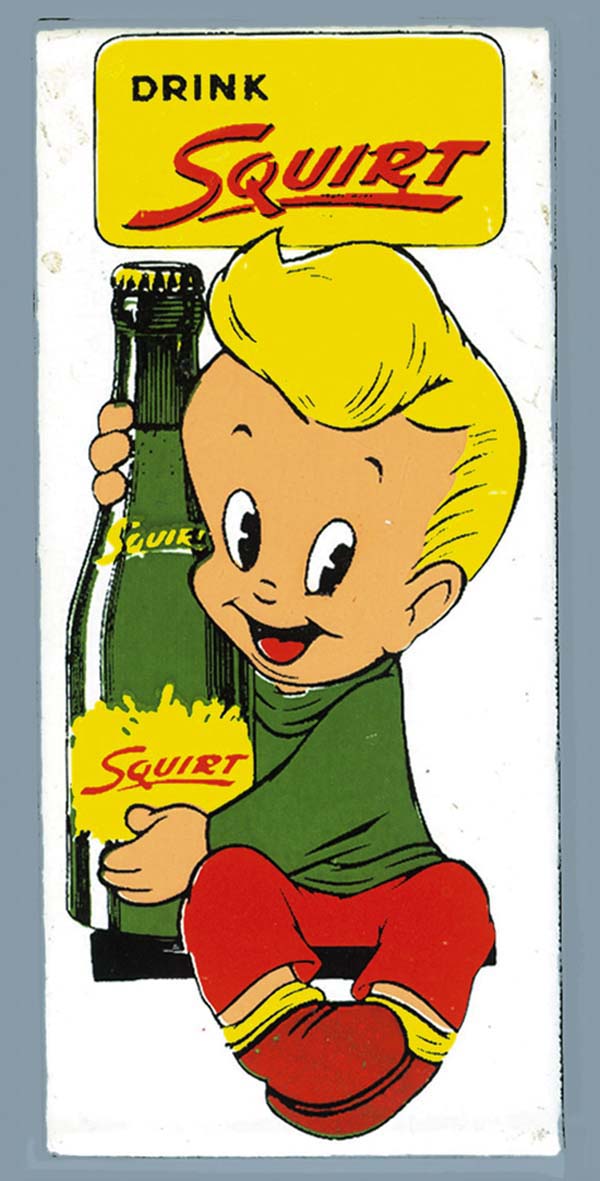
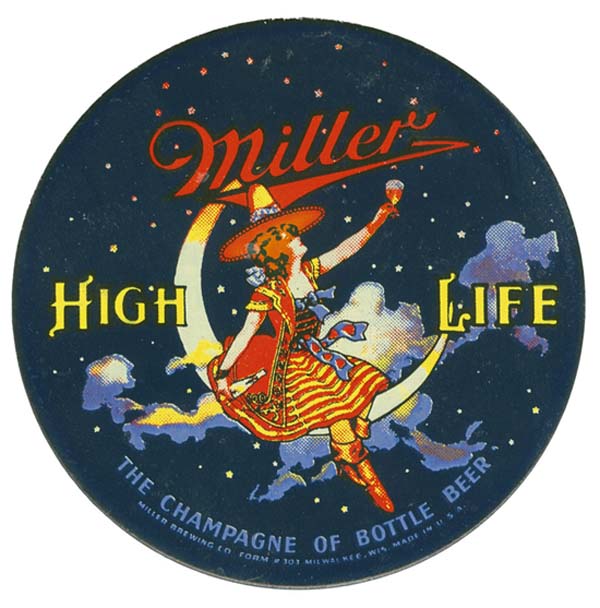
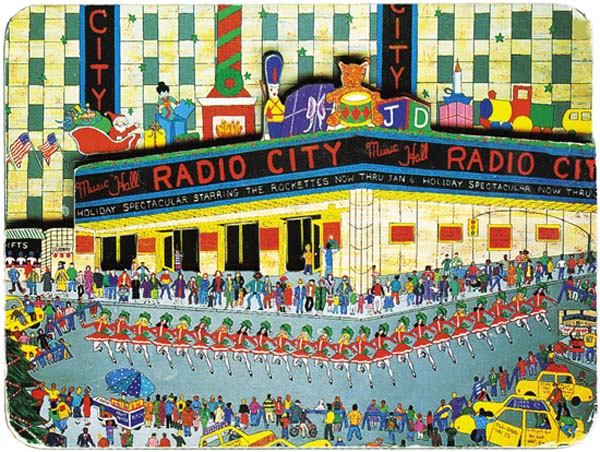
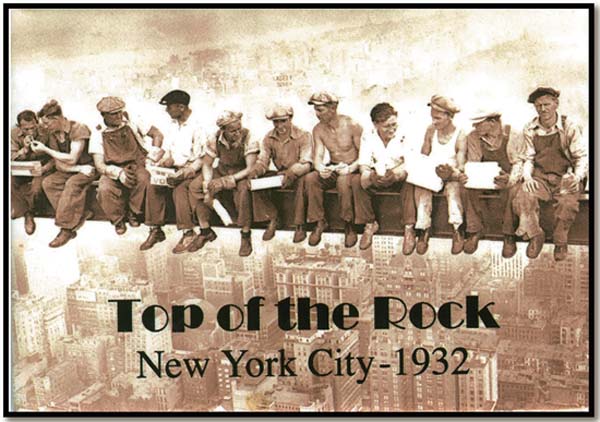
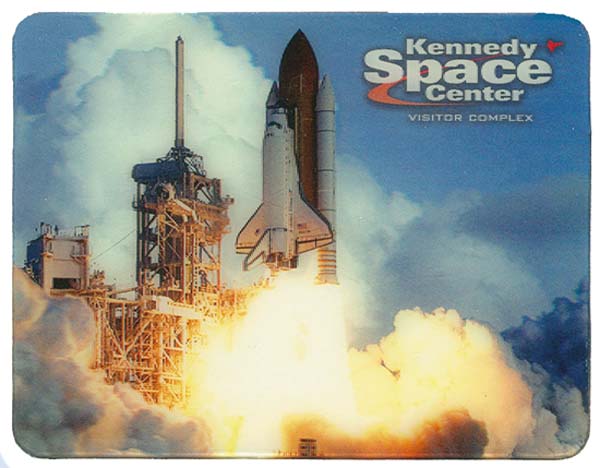
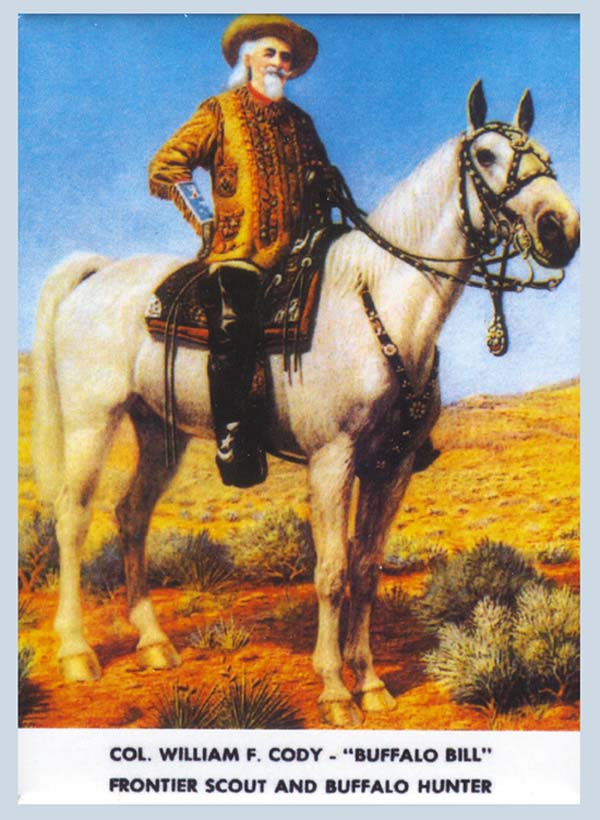
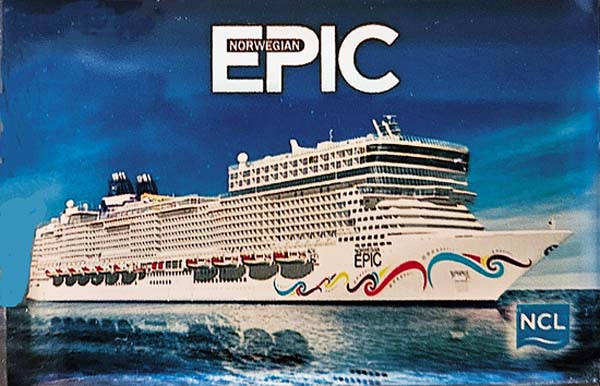
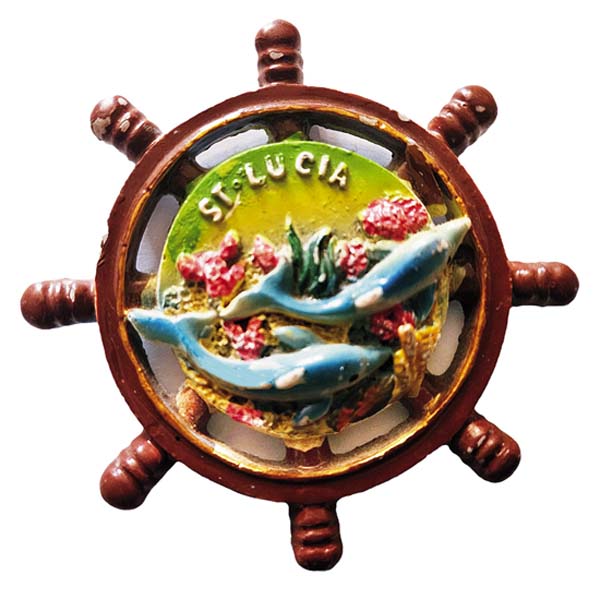
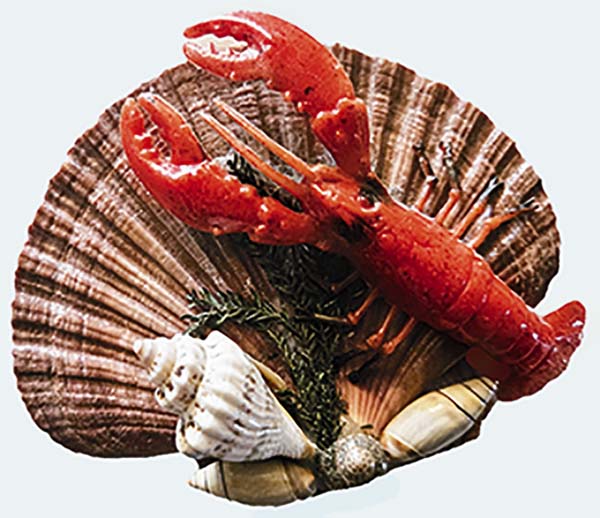
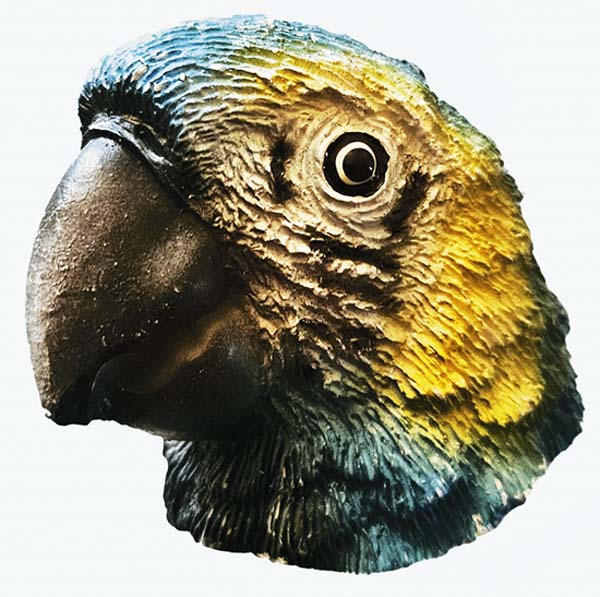
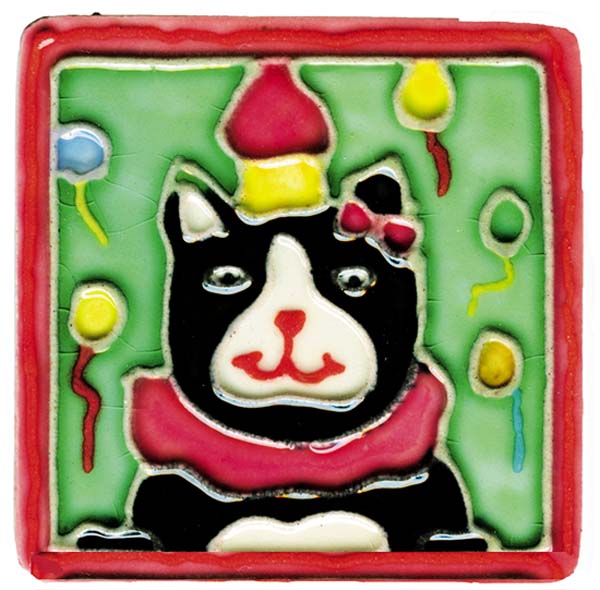
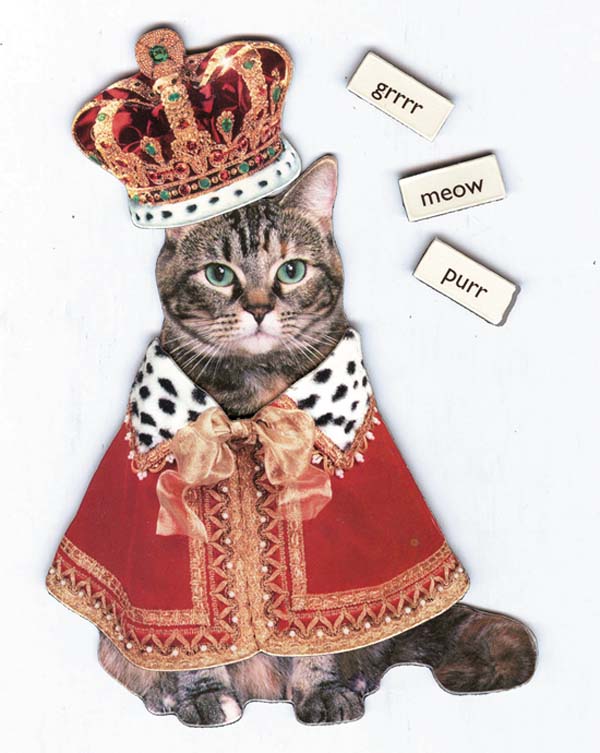
Are you a Memomagnetist? A Thuramgist? Maybe a Ferrovenirist? If you collect refrigerator magnets, take your pick. At one time or another, all three terms have been used to identify a fridge magnet collector, although, unlike the magnets themselves, none have stuck. Although magnets seem to have been brightening up refrigerator fronts since, well, practically forever, they didnt really come into vogue until the mid-20th century. In the early 1900s, iceboxes, wooden cabinets that needed to be regularly replenished with ice, kept things cool. No metal meant there was nothing a magnet could adhere to. Reminder notes were left on the kitchen counter, ready to flutter away at the first gust from an open window. By the 1920s, metal refrigerators emerged, and so did the first refrigerator magnets. These small cylindrical or rectangular metal pieces served a strictly utilitarian purpose, keeping that grocery or To Do list handy. Decorative magnets, as we know them, didnt make their debut until the 1960s. Initially, these were plastic pieces, with magnets glued to the back. An all-in-one magnet, containing metal within the material itself, arrived on the scene in the late 60s, thanks to Sam Hardcastle. His Classic Magnet was the outgrowth of an assignment from the space industry, which needed magnetic numbers and letters for use on tracking charts. These magnets needed to be flexible, three-dimensional, non-abrasive, and most importantly, fully magnetic. Hardcastles efforts proved so successful that he went in search of other outlets. Further developments in the manufacturing process (flexible paint, molds capable of capturing detail) led him into advertising. Soon, his Classic Magnets were in demand as promotional giveaways. What could be better than a colorful magnet hawking a companys product? Especially when placed in cant-miss view of customers every time they approached the refrigerator! Although the first refrigerator magnet patent was issued to William Zimmerman in the 1970s for his cartoon magnets, Hardcastles Classic Magnets came to dominate the industry. And, if they could successfully plug products, why not other subjects as well? Souvenir magnets, promoting locales and attractions, came into vogue. Want to reminisce about where youve been? Want to let everybody else know, too? Let the front of your refrigerator tell the story! There were magnets for exotic destinations (Hawaii! Antigua!) and domestic ones (Las Vegas! New York City! All 50 states!). Soon, the magnet universe expanded to include pop culture in general. Jostling for fridge front space were magnets celebrating everyone from Elvis to Buffalo Bill, with some space still left over for cat magnets; dog magnets; and movie, concert, and Broadway show magnets. Have a specific theme in mind? There were sure to be magnets devoted to it. While the initial concept called for refrigerator magnets to serve useful purposes, keeping the daily calendar in plain sight, or hanging up the kids latest artwork, they quickly became collectible solely due to their visual appeal. Some collectors couldnt, quite literally, get enough: At her passing in 2019, Louise Greenfarb of Henderson, Nev., had over 65,000 refrigerator magnets. Chances are pretty good they werent all displayed on one refrigerator door. In recent years, an estimated 1.3 billion refrigerator magnets have been produced annually. That covers an awful lot of refrigerators. Over the years, magnets have been made from a variety of materials, including plastic, porcelain, rubber, metal, and polyresin. All are inexpensive to manufacture, and an abundant supply means that refrigerator magnets remain extremely affordable. Prices usually range from $5-10 on both the initial and secondary markets. There are those who shudder at the thought of a refrigerator door cluttered with magnets, no matter how scenic that depiction of the Golden Gate Bridge or Radio City Music Hall. For those folks, there are refrigerator exteriors made of non-magnetic materials, which pretty much shuts the door on magnet collecting. For the more cool-headed among us though, collecting refrigerator magnets is a hobby well stick with. All photos by Donald-Brian Johnson and Hank Kuhlmann. Donald-Brian Johnson is the co-author of numerous books on design and collectibles, including Postwar Pop, a collection of his columns. Please address inquiries to: donaldbrian@msn.com.



Share & Print






SHARE
PRINT