Sitting Pretty: Ceramic Arts Studio Shelf-Sitters Smack Dab In The Middle: Design Trends Of The Mid-20th Century
By Donald-Brian Johnson - August 08, 2025
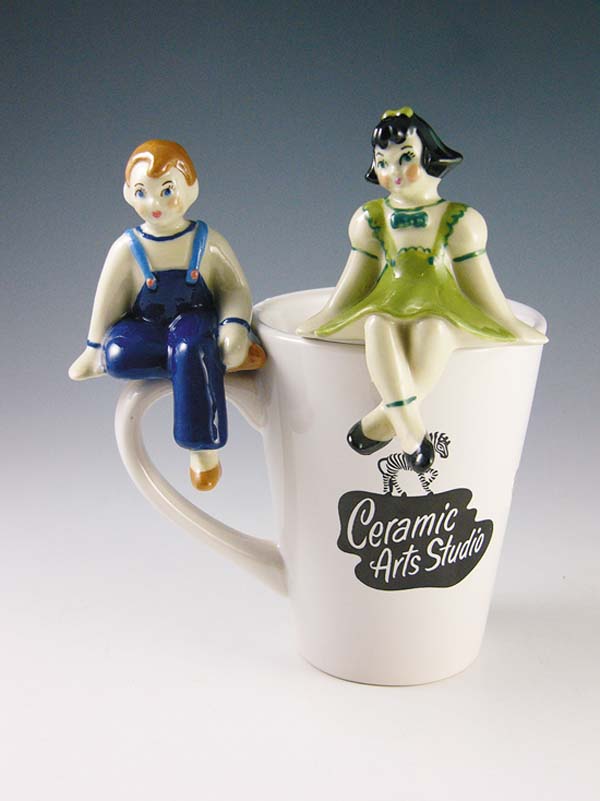
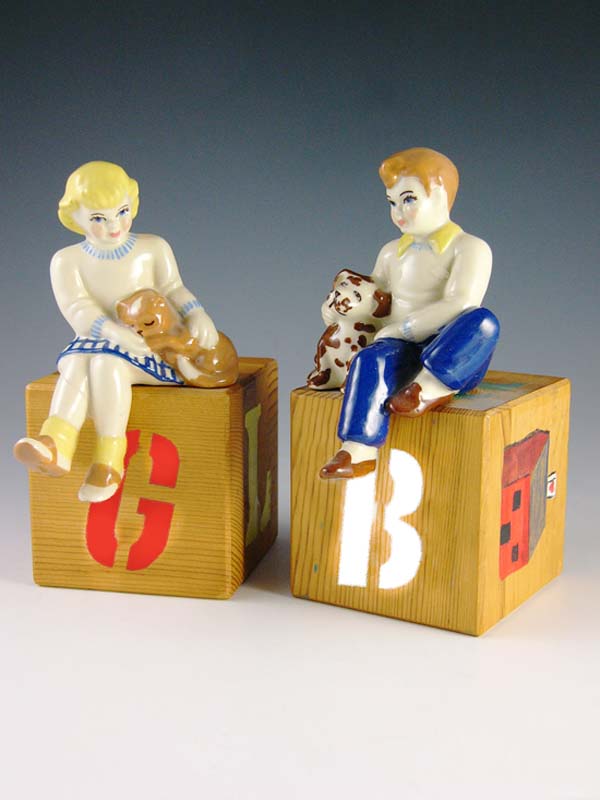
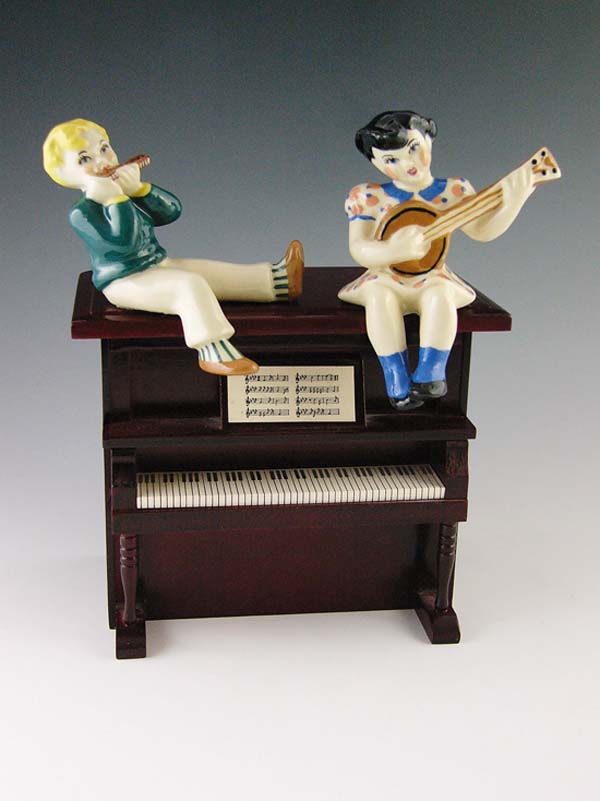
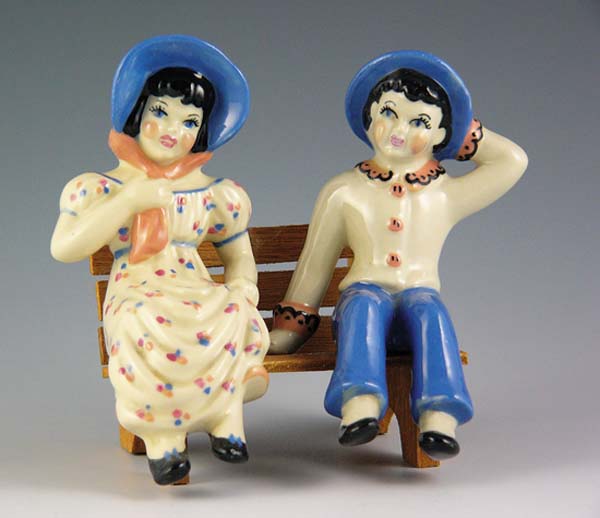
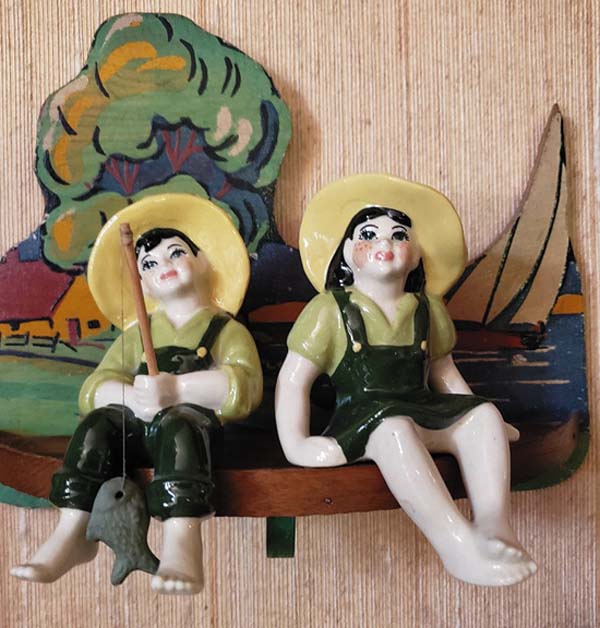
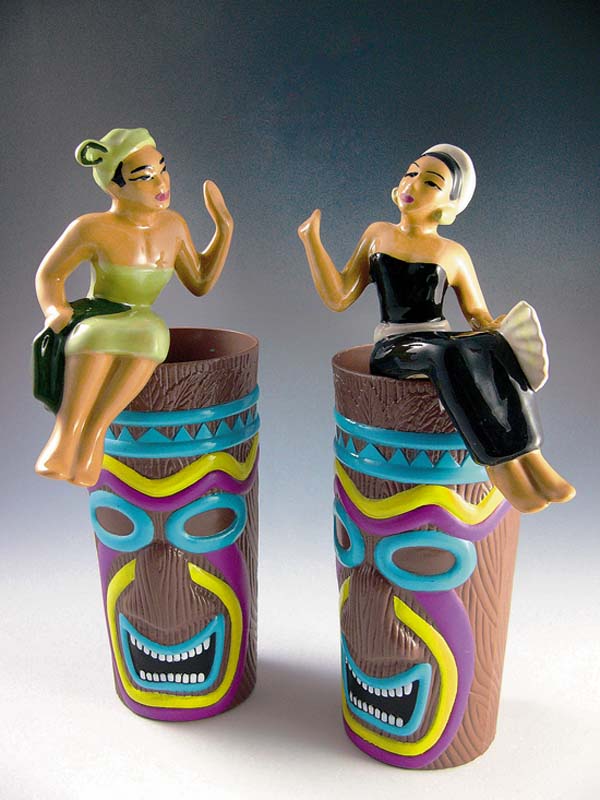
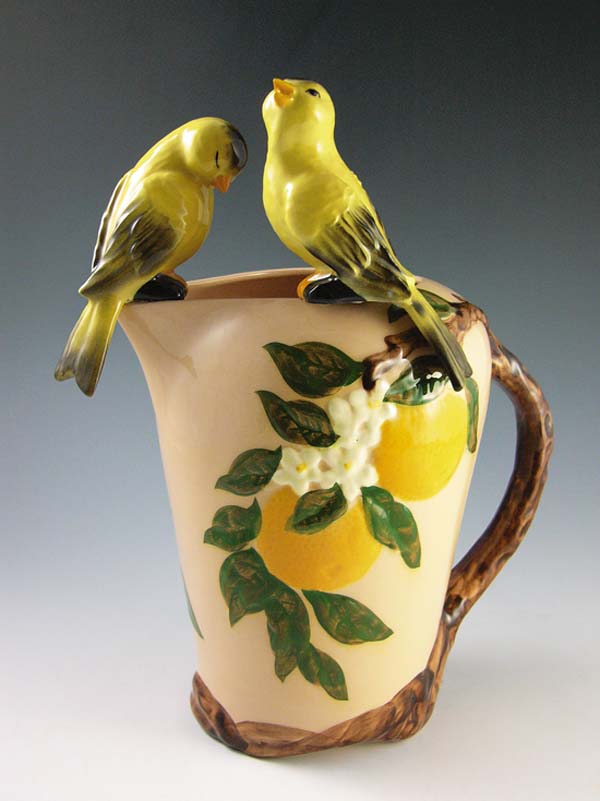
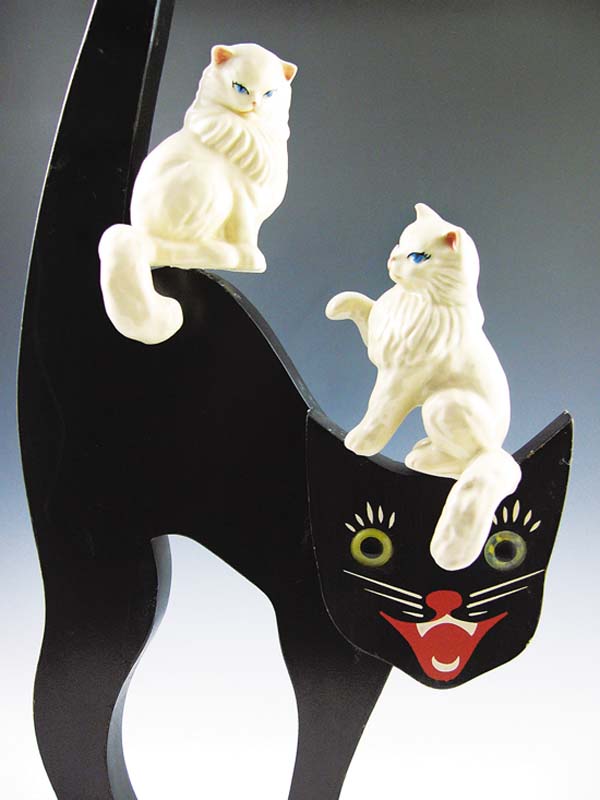
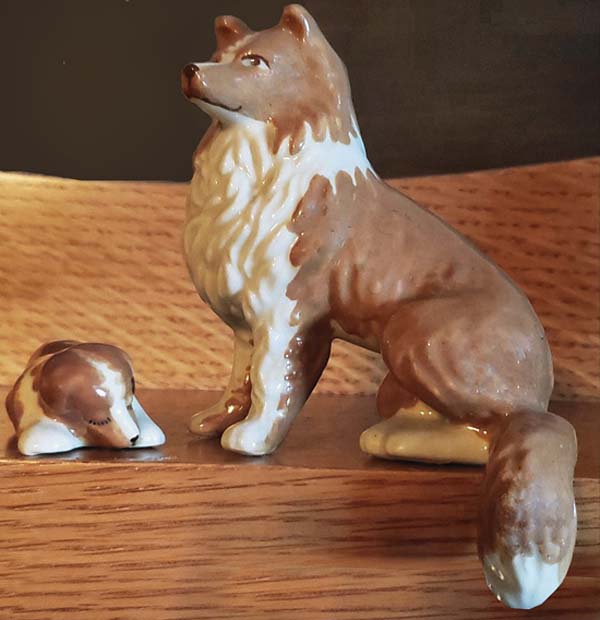
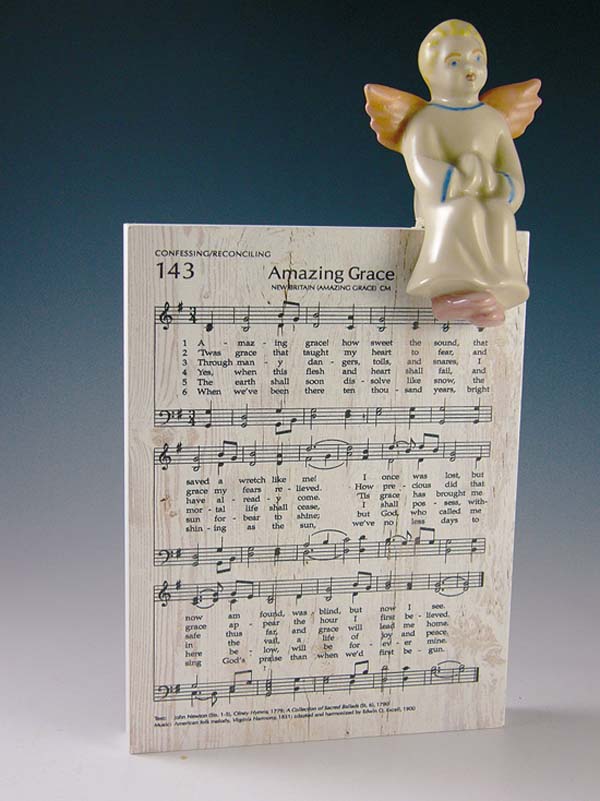
Captivating colonials, sleepy spaniels, cute cowpokes, musical moppets, and an appealing assortment of international visitors. What do they have in common? Well, theyre whats known as shelf-sitters. And theyre all sitting pretty, thanks to the efforts of Ceramic Arts Studio (CAS) in Madison, Wis. These ceramic figurines, most under $50 a pair in todays marketplace, perch on a shelf, ledge, window sill, planter, or whatever spot is handy. Their little legs (or, in the case of cats, dogs, and birds, their little paws or tails) dangle over the edge. The idea was a clever one, and Ceramic Arts Studio was just the place to bring it to life. Founded in 1940 by Reuben Sand and Lawrence Rabbitt, CAS was originally a pottery, an unsuccessful one. In later years, Sand sheepishly admitted the problem with the studios pots, bowls, and vases: They leaked. Things changed with the 1941 arrival of Betty Harrington. Although employed by the state of Wisconsin as a secretary, Harrington had previously-unrealized talent to burn. When a well was being dug at her home, she scooped up some of the excess clay and fashioned the figurine of a kneeling girl. Wanting to preserve the piece by having it fired, Harrington remembered passing a ramshackle shop, Ceramic Arts Studio, on her way to work. She stopped by and was told by a disinterested potter that the studio didnt do custom firing. A discouraged Betty left. A keen-eyed Reuben Sand met her on the way out. Sand had been searching for a product to replace those leaky pots. One look at the figurine Betty held told him he may have latched on to the solution. I said of course we would fire the figure and glaze it, and if she wanted, we would fire other items that she might wish to bring in. Soon, Ceramic Arts Studio was transformed. Decorators and kiln operators replaced the potters, casting, painting, and firing winsome ceramic figurines as fast as Betty Harrington could design and mold them. The days of porous pottery pots were left behind. And, although California Pottery became a byword for the post-WWII production of decorative ceramics, it was Madisons little studio that could that led the pack. During its heyday, Ceramic Arts Studio was the nations top producer of ceramic figurines, turning out over 500,000 annually until closing in 1955. Always on the lookout for ways to increase revenue, Reuben Sand suggested figurines that did double duty: salt-and-peppers, bells, banks, candleholders, and, of course, those shelf-sitters. According to Sand, they were an immediate hit. I made it a point to go out to gift shops around the country to see what they wanted and then would bring back those suggestions. The best idea I got came early, and that was for shelf-sitters. That one came from a lady up in Michigan. She said that her grandmother had something she never saw on the market, two little figurines that were sitting over a shelf. That hit me! Those shelf-sitters made us a lot of money. (No doubt, replacement figurines also added to the coffers: without the addition of a little tacky wax on their bases, CAS shelf-sitters have a tendency to topple). Betty Harrington took Sands basic idea and ran with it. As she recalled, When you visualize something, and you kind of feel its you, almost, you have a fairly definite idea of what you want to do with a figure, and if that doesnt work, you can ad lib while youre working on it! When it came to shelf-sitters, Harringtons eagerness to experiment meant that CAS Ballet Dancers were soon jockeying for shelf space with the Bali Boy & Girl, and Persian Cats were rubbing elbows with Pete & Polly Parrot. Buyers sat up and took notice, and ever since, collectors have been sitting ducks for the irresistible appeal of Ceramic Arts Studio shelf-sitters. The Wisconsin Pottery Association (WPA) will hold its annual Show & Sale on Saturday, Aug. 23, from 9 a.m. to 3 p.m., at the Alliant Energy Center, Madison, Wis. As always, plenty of pieces by the hometown studio, Ceramic Arts, will be available for purchase. Photo Associate: Hank Kuhlmann. Caption quotations are from the original Ceramic Arts Studio catalogs. Donald-Brian Johnson is the co-author of numerous Schiffer books on design and collectibles, including Ceramic Arts Studio: The Legacy of Betty Harrington. Please address inquiries to donaldbrian@msn.com.
Share & Print






SHARE
PRINT