Special Exhibit Marks 100 Years Of The Esherick Studio Pennsylvania Modern: Regionalism And The Wharton Esherick Studio Opens March 1
March 06, 2026
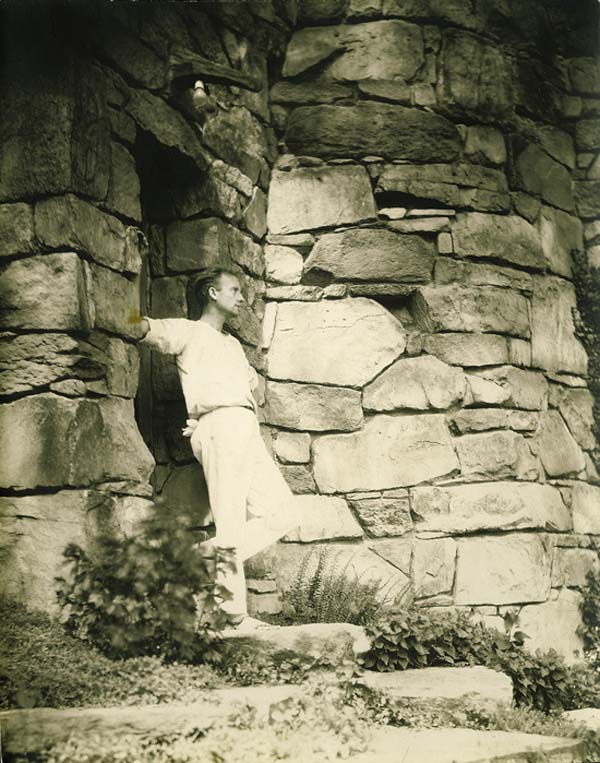
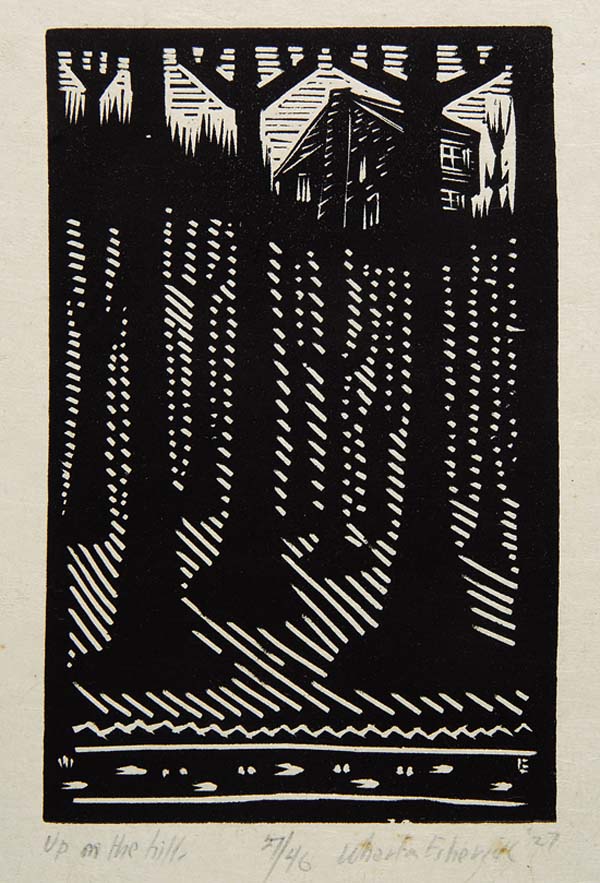
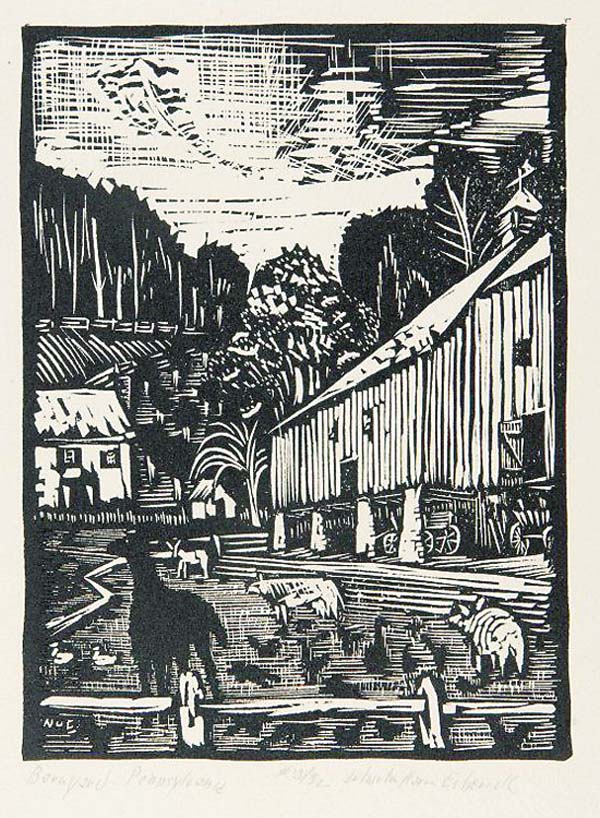
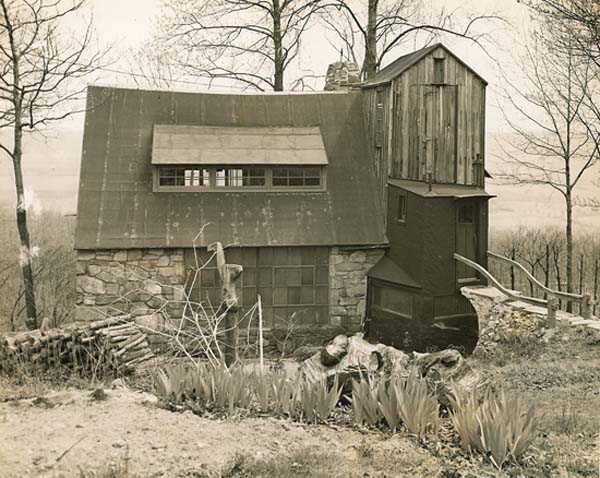
The Wharton Esherick Museum (WEM) in Paoli, Pa., is pleased to announce the opening of Pennsylvania Modern: Regionalism and the Wharton Esherick Studio, on view in the museums Visitor Center from Sunday, March 1, to Sunday, June 7. In 1926, Wharton Esherick broke ground on a new studio, a building that is now an icon of handcrafted modern design and the centerpiece of the WEM campus. The site Esherick chose was on a slope of Valley Forge Mountain, amidst sandstone outcroppings and young forests that were overgrowing old farms. There, he and a crew of tradesmen raised a stone structure with a profound sense of rootedness in local geography and architecture. Drawn from the WEM collections, Pennsylvania Modern presents drawings, photographs, and archives bearing witness to Eshericks eye to the local as he began one of his most magnetic creations. The U.S. Semiquincentennial is a moment where many museums are taking a critical look at our relationship with history and national identity, describes Holly Gore, WEM director of interpretation and associate curator. Here at WEM, this event coincides with another milestone, the 100th anniversary of the Wharton Esherick Studio. This exhibition honors both with a reflection on Esherick as he rooted his building in the rich cultural history of Pennsylvania, and the interest in regionalism he shared with his contemporaries. Under what conditions does American art flourish? This question reverberated through U.S. art worlds 100 years ago, when Wharton Esherick broke ground on his studio. From within the long shadow of European cultural achievements, artists, collectors, critics, and curators considered the fertility of American soil. Regionalists challenged the primacy of New York as the U.S. art center, insisting that authentic American art was locally grown, often in rural areas. Interest peaked in Early American artifacts, brought about by calls for the creation of a national heritage assembled from the best creative works the country had produced, a usable past in the words of influential literary critic Van Wyck Brooks. Esherick participated in these currents of regionalism and historicism with the development of his 1926 Studio, a modern building rooted in rural Pennsylvania. Esherick modeled the building on a Pennsylvania bank barn, a multi-level stone structure built into a slope that was (and still is) a common form of local architecture. Folk knowledge drove the project. The tradesmen Esherick hired as builders worked without drawings, relying on their skill and the know-how of project head, mason Albert Kulp. Esherick used historic sources selectively, choosing and adapting them to his purposes. In the studio north wall, he embedded a multi-pane factory window to light his workspace. He also intervened in the stonework, composing the locally sourced sandstone in nontraditional rhythmic patterns to harmonize with the surrounding woods. Today, the Esherick Studio exists as a 40-year project done in stages. Esherick first erected a barn-like workspace. He then built it out into a modern home, with major additions in 1940 and 1966. Still, the lines of the 1926 sandstone building persist, bearing witness to a moment when its regional, historic sources connected it, and the artist and artworks within, to notions of a new American art nourished through rootedness. Eshericks manifestation of Pennsylvania modernism has had a long, fruitful life, enduring through the 20th century to now. Details about visiting can be found at www.whartonesherickmuseum.org.
Share & Print






SHARE
PRINT