Thanksgiving In Grandmas Kitchen
Smack Dab In The Middle: Design Trends Of The Mid-20th Century
By Donald-Brian Johnson - December 04, 2026
When I was a kid, we always spent Thanksgiving at my Grandma Johnson’s house. And after dinner, I never minded doing the dishes with her, even though the sink in her 1920s-era kitchen was tiny and everything had to be washed and dried by hand. “My best things,” said Grandma Johnson, “need to be handled with care.” Those best things seemed to include every last plate, bowl, cup, saucer, and piece of silver that had just graced the dining room table.
And so we worked in tandem at the sink, Grandma washing and me drying (“Careful, now!”), until everything sparkled. And although the miniscule window above the sink only offered a drab glimpse of her driveway, I didn’t care. There was always lots of interesting stuff for a little boy to look at in Grandma’s kitchen. Like all her fruits and veggies.
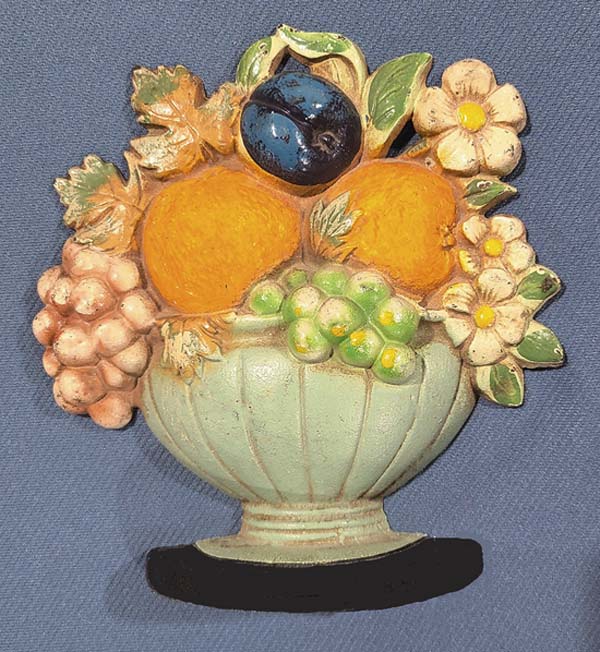
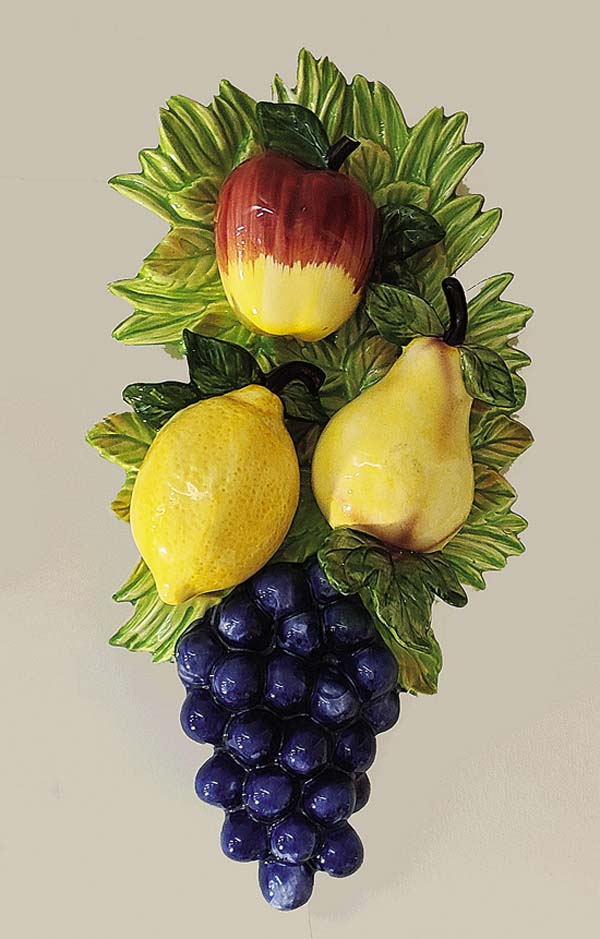
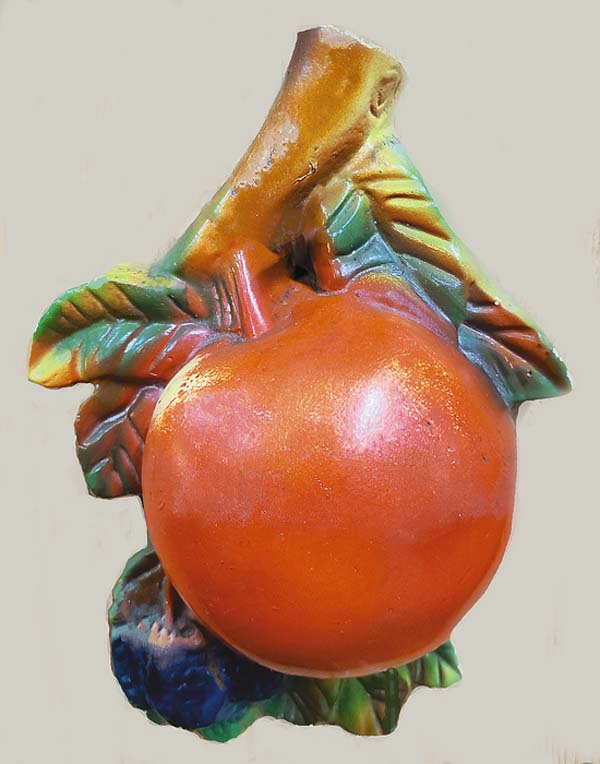
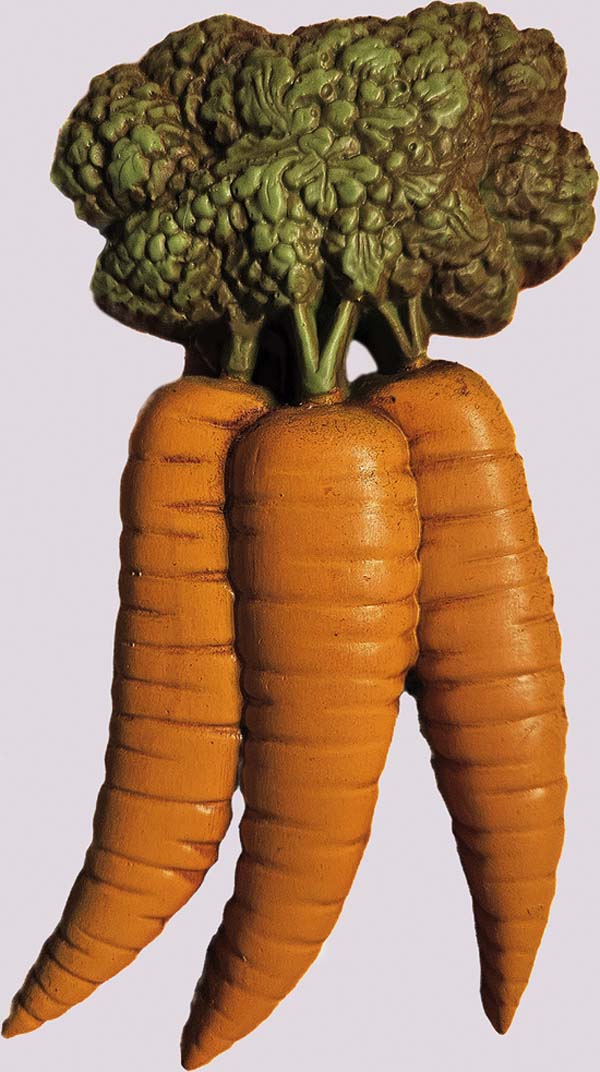
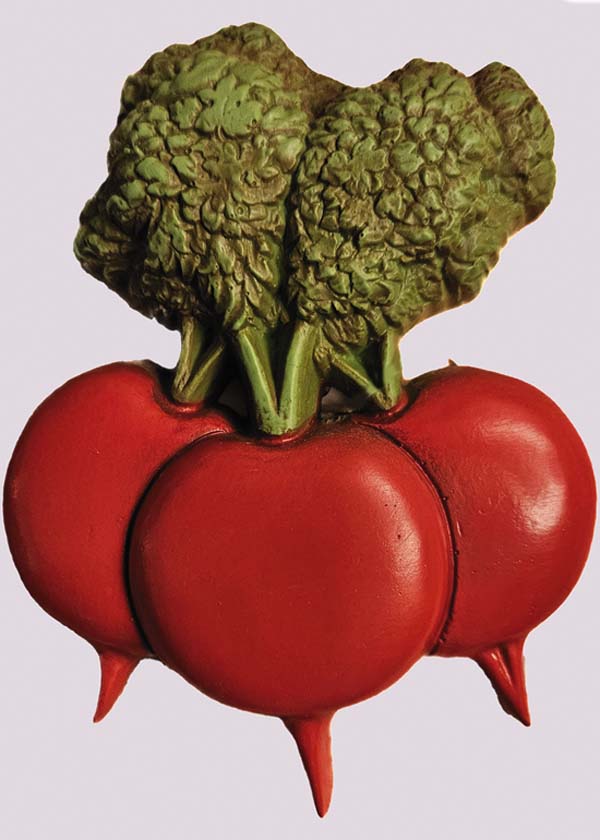
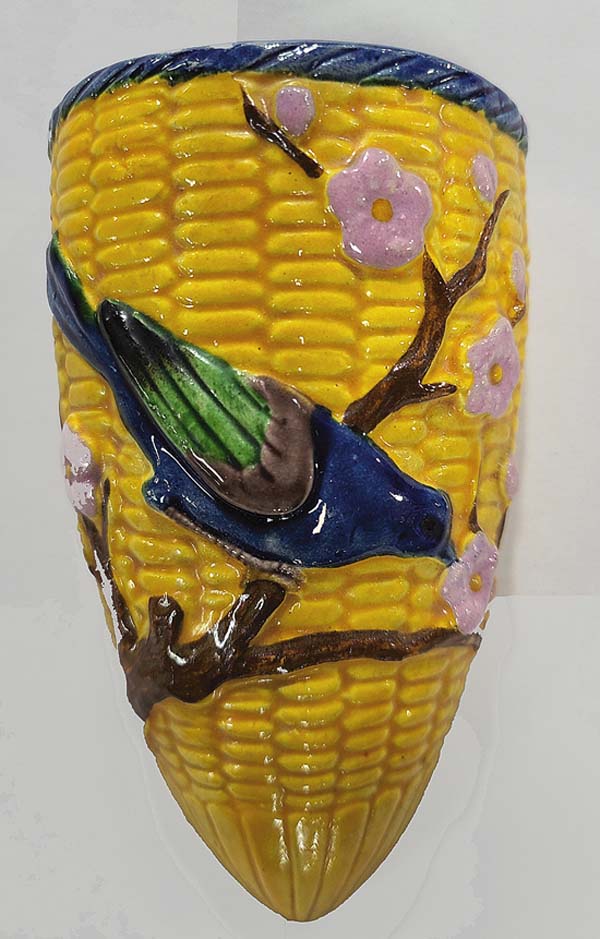
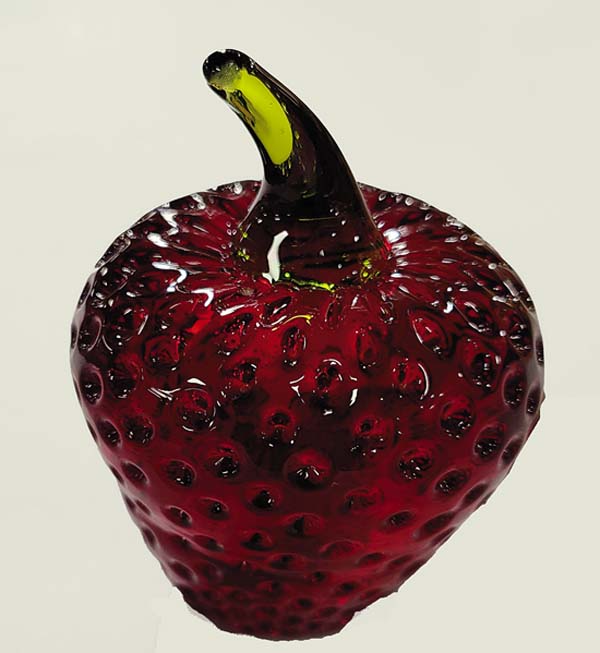
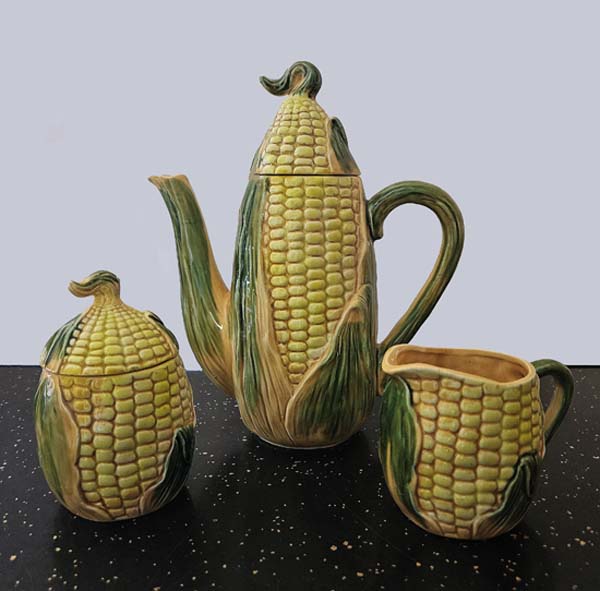
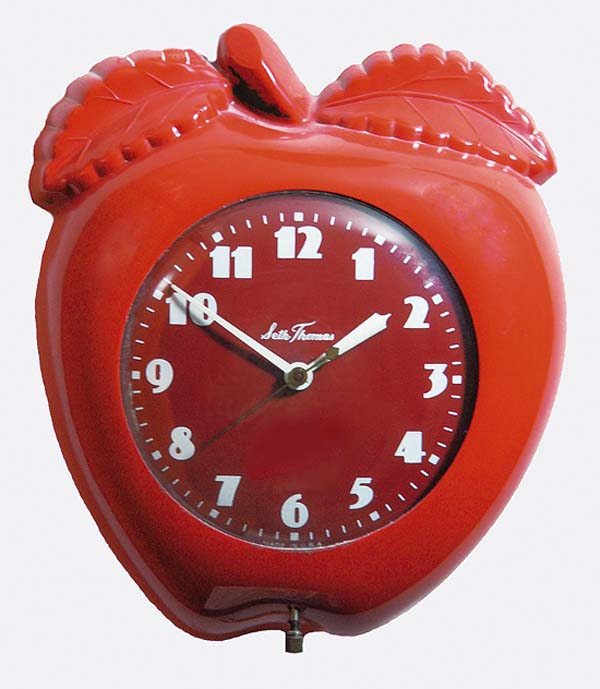
Now, I’m not talking actual produce here, although there was probably plenty of that around too. What drew my attention were the fruit-and-vegetable-themed items dotting her kitchen walls and counters. Plaster plaques of grinning oranges and lemons adorned the sides of the cupboards framing the sink. Another plaster plaque of an overflowing fruit bowl poured out its bounty above the window. A glass strawberry paperweight held down the day’s recipe cards, while a red apple wall clock tick-tocked away over the oven. Plus, there was a complete coffee set of a pot, mugs, sugar, creamer, and tray, molded and painted to look just like ears of corn. Did Grandma love vintage? Well, no. The stuff wasn’t vintage then. It was just, she once told me, “what makes this home.”
Grandma’s décor had its underpinnings back in the mid-1700s, when hand-crafted garden-inspired dinnerware was a hot commodity. But with the Industrial Revolution yet to emerge, hand-crafting was expensive.
Fortunately, by the 1930s, when folks like Grandma were decorating their kitchens, prices were much more affordable. Wall plaques, for instance, could be mass-produced in molds, then hand-painted to add individuality. Many were billed as “chalkware,” though the term is a misnomer. The plaques were Plaster-of-Paris, which meant that paint, generally glossy enamel, could be applied without soaking into the base material. Plaster plaques were also more durable than chalk, though susceptible to surface chips and cold-paint flaking.
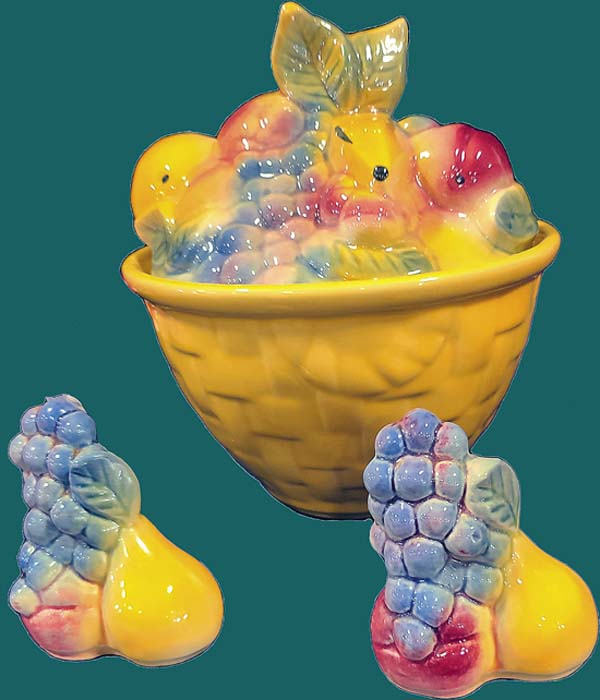
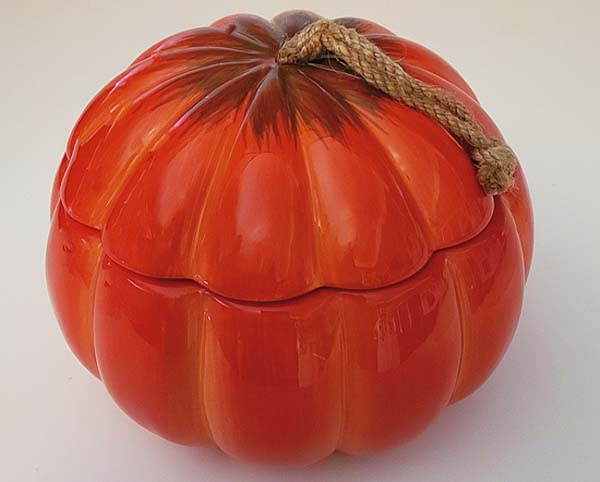
But they were cheap! A Depression-era homemaker, eager to brighten her kitchen but counting pennies, could pick up a pair of cheery plaster plaques at the local dime store for under a dollar. Salt-and-peppers, serving trays, cookie jars, and other necessities also made for inexpensive décor pick-me-ups, once transformed into brightly colored, three-dimensional fruits and vegetables.
The decorative accents were even more appealing when set against the no-nonsense, nuts-and-bolts design of many Mid-Century kitchens. These were work areas; fancy touches were left for rooms where “company” gathered.
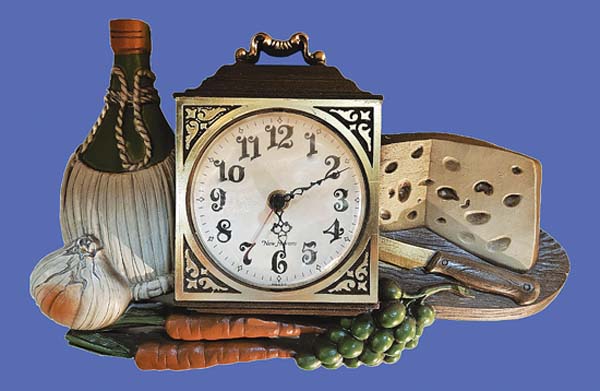
Affordable then, whimsical kitchenabilia remains a bargain today. Plaques and shakers hover in the $25 to $50 range per pair. Clocks and serving sets (particularly, those marked) average just over $100. Good examples are regularly available at antique shops and shows. Estate and garage sales are also great sources, since these were objects purchased for home use. The key pricing point for one and all: condition. Unless you’re absolutely taken with a specific piece, if it’s noticeably chipped, or the paint is flaking and faded, pass it by. Odds are, attempts at repair will prove frustrating. Choices in much better shape can often be found “just down the road.”
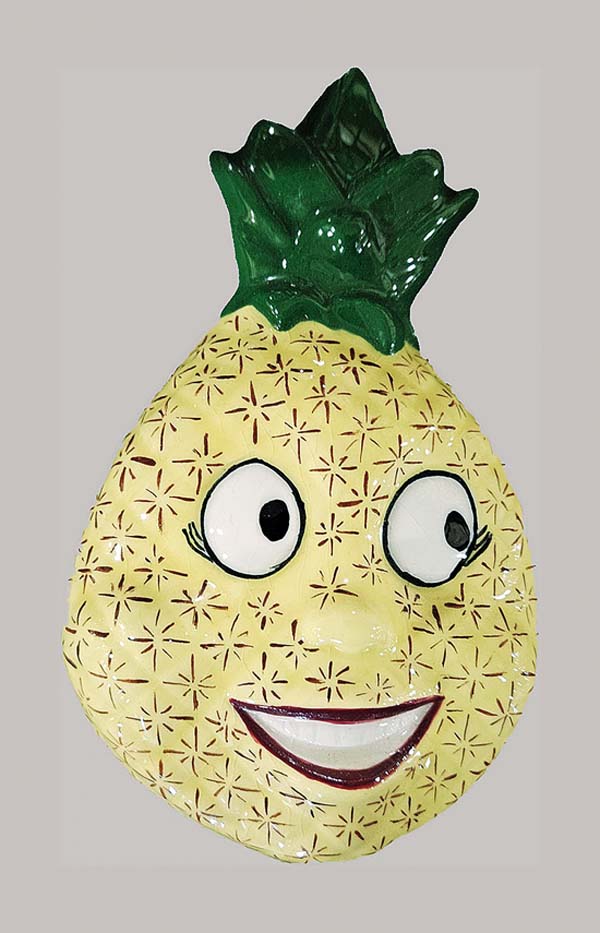
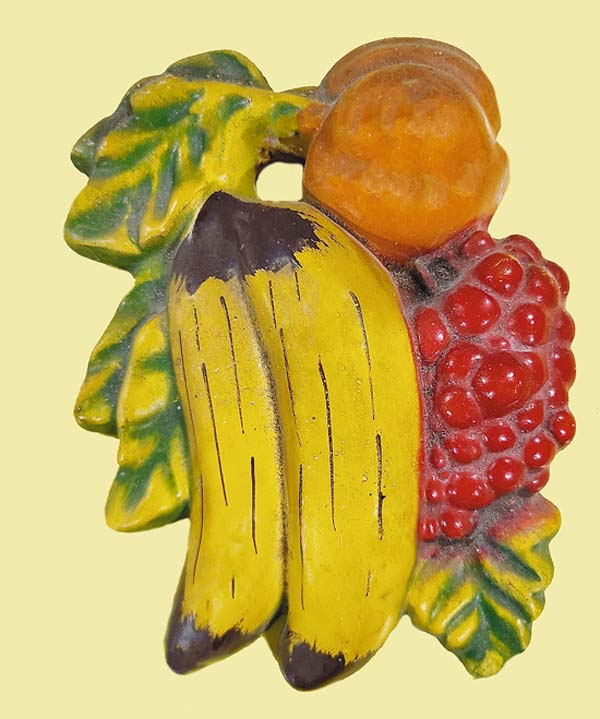
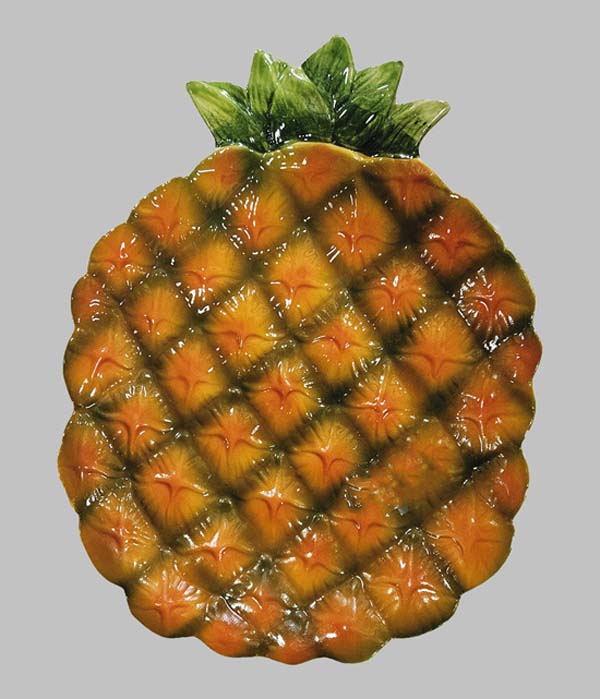
And make no mistake: whether pineapple cookie jars, toothily smiling banana plaques, or apple-faced plates and cups, their visual impact goes well beyond “kitsch.” These manifestations of nature’s generosity bring warmth and personality to humdrum kitchens now, just as they did “way back when.” They summon up dreams of abundant harvests, bounteous orchards, and joyful meals shared with family and friends. (Or, as Grandma Johnson put it, when we did the Thanksgiving dishes, they are “what makes this home.”)
Happy Thanksgiving!
All photos by Hank Kuhlmann.
Donald-Brian Johnson is the co-author of numerous books on design and collectibles, including “Postwar Pop,” a collection of his columns. Please address inquiries to: donaldbrian@msn.com.
Share & Print






SHARE
PRINT