The Hobo In American Folk Art
By Justin W. Thomas - October 17, 2025
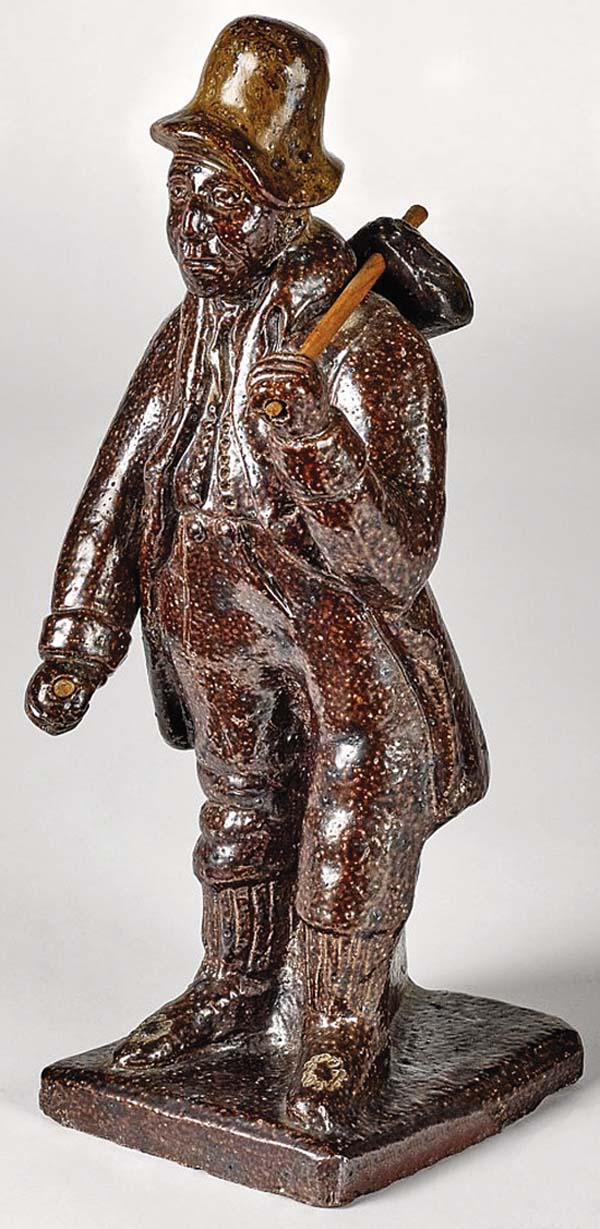
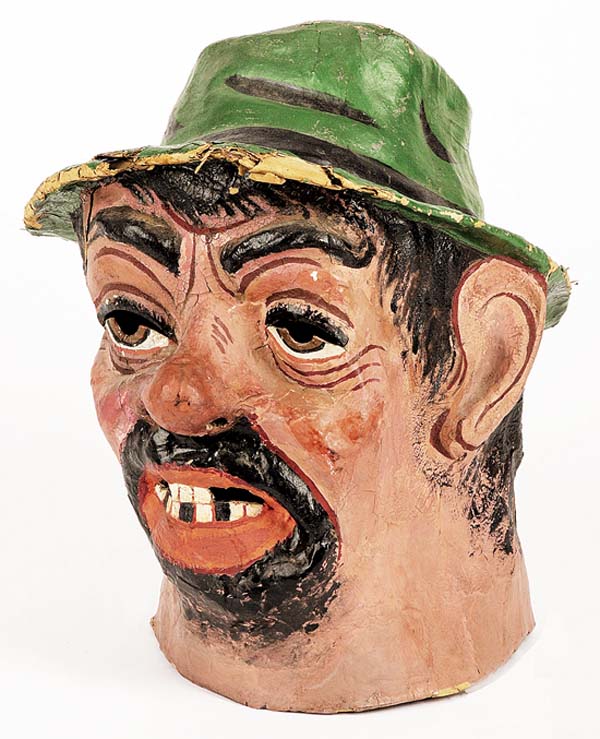
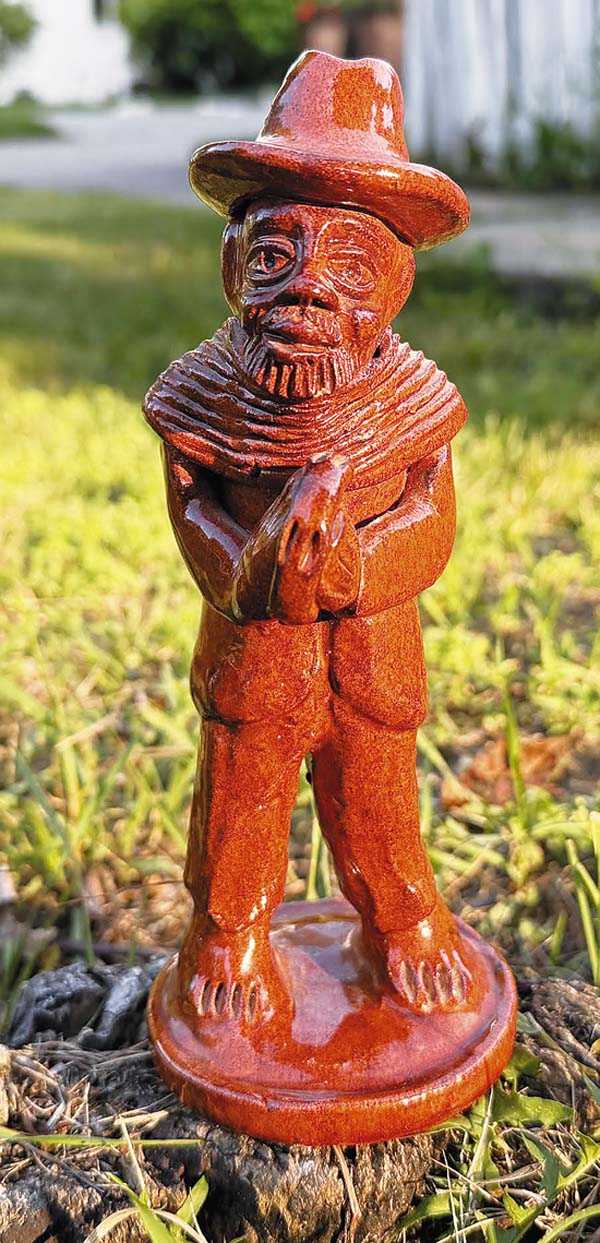
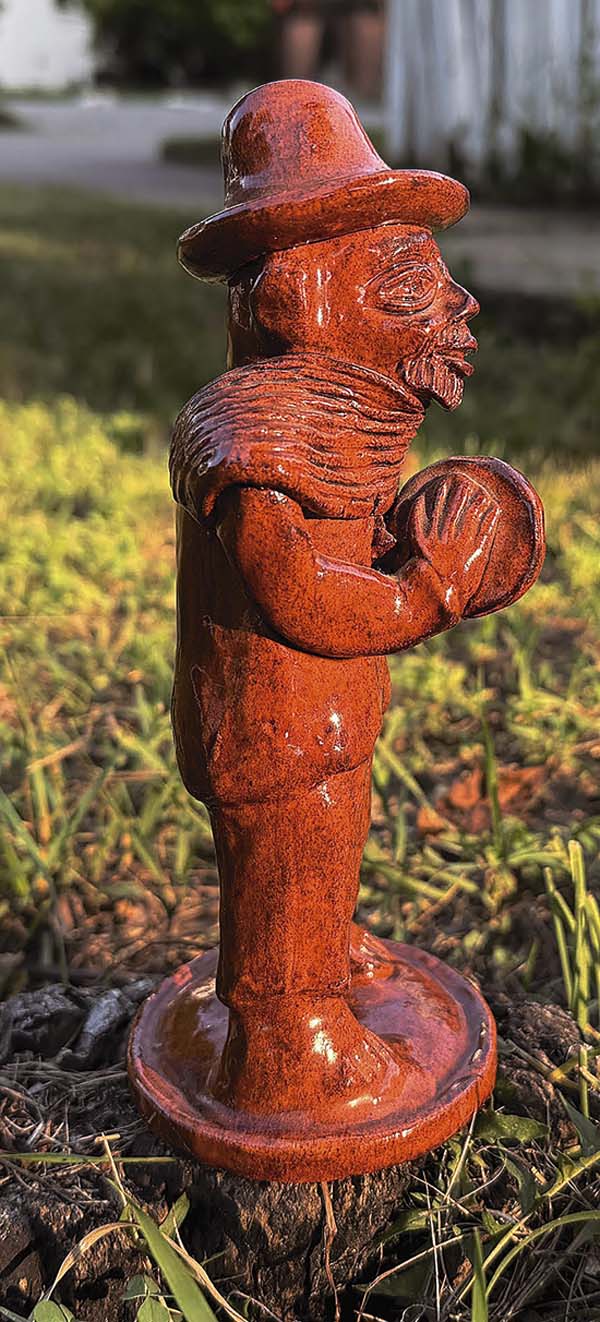
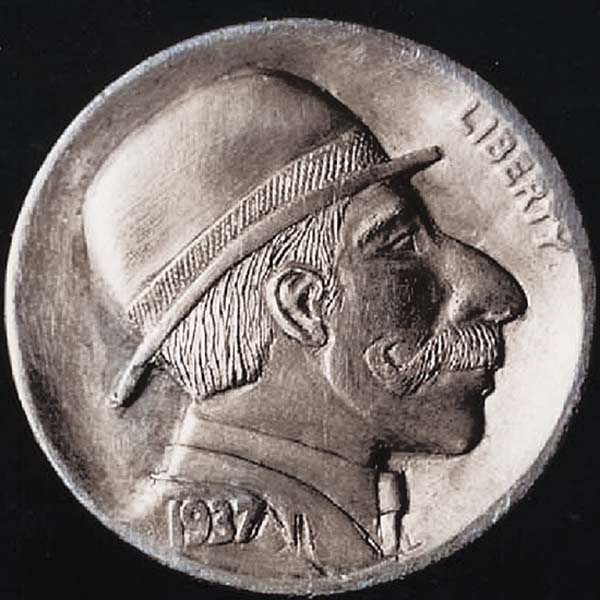
The term hobo was coined in America sometime about 1890 when a depressed economy and hard times had people taking to the rails in search of work and a better life. A simple definition of the word describes a hobo as a migrant worker or a homeless journey person, but they are not a bum. The word may have derived from hoe-boy meaning farmhand or from a greeting like Ho, boy! Other possibilities are that it comes from the railroad greeting Ho, beau! or that it is an abbreviation of homeward bound or homeless boy. It is believed that the early hobos came into existence after the American Civil War with many veterans hopping freight trains home. Men also hopped trains heading west to look for work. By 1906, there were roughly half a million hobos living in America, and by 1911, there were 700,000. The Great Depression also resulted in a large increase in hobos. This lifestyle was also published for comedic entertainment in newspapers in the early 1900s, such as one account that was included in various American newspapers in 1905: If you see a streak headed for Ohio that looks like a hoboe on the run thats him. He has heard that a receiver of a brewery out there has turned the beer away rather than pay the revenue tax on it, and he wants to get it at the finish. However, as the decades passed, the idea of the hobo became a part of American popular culture, whereas there were musical programs that would include appearances from washboard hoboe entertainers. Some outdoor activities were advertised in newspapers in the 1930s and 1940s as hoboe hikes, and amateur baseball teams even adopted the hobo as part of their team name, such as the New England Hoboes, the Boston Hoboes and the Pittsburg Hobos. Some of these teams also traveled around participating in several war effort fundraising games during WWII, where many of the athletes were former college baseball players. But life as a hobo was difficult. The travelers were poor, hungry, and faced hostility from train crews and railroad security staff known as bulls. Hopping on and off moving trains was also very dangerous. It was easy to get trapped between cars, and in bad weather, it was entirely possible to freeze to death. An ethical code was created by Tourist Union #63 during its 1889 National Hobo Convention in St. Louis, Mo. This code was voted upon as a concrete set of laws to govern the Nation-wide Hobo Body; it reads 1) Decide your own life, dont let another person run or rule you. 2) When in town, always respect the local law and officials and try to be a gentleman at all times. 3) Dont take advantage of someone who is in a vulnerable situation, locals or other hobos. 4) Always try to find work, even if temporary, and always seek out jobs nobody wants. By doing so you not only help a business along, but ensure employment should you return to that town again. 5) When no employment is available, make your own work by using your added talents at crafts. 6) Do not allow yourself to become a stupid drunk and set a bad example for locals treatment of other hobos. 7) When jungling in town, respect handouts, do not wear them out; another hobo will be coming along who will need them as badly, if not worse than you. 8) Always respect nature, do not leave garbage where you are jungling. 9) If in a community jungle, always pitch in and help. 10) Try to stay clean and boil up wherever possible. 11) When traveling, ride your train respectfully, take no personal chances, cause no problems with the operating crew or host railroad, and act like an extra crew member. 12) Do not cause problems in a train yard; another hobo will be coming along who will need passage through that yard. 13) Do not allow other hobos to molest children and expose all molesters to authorities; they are the worst garbage to infest any society. 14) Help all runaway children and try to induce them to return home. 15) Help your fellow hobos whenever and wherever needed; you may need their help someday. 16) If present at a hobo court and you have testimony, give it. Whether for or against the accused, your voice counts! Hobos were also often represented in American folk art in the late 19th and early 20th century, such as jail carvings, grips carved on wooden walking canes and even paintings. They were also depicted on 20th-century parade masks and even band drums. Furthermore, some believe that tramp art, a means of folk art that emerged in the latter part of the 19th century, was created by hobos. Some of it may have been, although it was more of an art form that used raw materials to construct different objects, which a countless number of men, woman and children created all over the world. Interestingly, I recently came into the possession of a late 19th- or 20th-century red earthenware figure of what appears to be a hobo playing a tambourine. The manufacturer is unknown, but it retains some 20th-century ownership history in Pennsylvania. The bare-footed figure is completely hand-modeled, wearing a scarf around his neck, and placed atop his head is the style of hat commonly worn by hoboes in the late 1800s and 1900s. Figures of hoboes are also known in some end-of-the-day type sewer tile production, such as one example that was owned by Ohio antiques dealer David Good, which later sold as part of the estate of Peter Tillou at Pook & Pook on April 21, 2022. That figure was a more traditional looking hobo, where the man was wearing a hat and carrying a bag with a wooden stick. A second sewer tile hobo is known that was made by Roy Blind (1924-2003) in Ohio in 1977, a noted sewer tile folk artist, which I wrote a feature story about in the Dec. 16, 2022 issue of Antiques & Auction News, titled, Roy Blind: A World War II Veteran And Sewer Pipe Folk Artist From Ohio. One other notable type of folky production is the hobo nickel made from a Buffalo Nickel, which was issued between 1913 and 1938, and hand-carved by a hobo creating a new original image on the coins face. The practice of the hobo nickel carving began in the early 20th century, particularly during the Great Depression when hobos used them as a form of currency or as a way to express their artistic creativity. The culture and folklore of the American hobo contributed a unique lifestyle that influenced society, which embodied freedom and independence, created a unique subculture and contributed to labor movements. The journey of the hobo is also reflected in American history characterized by economic hardship and the pursuit of opportunity, such as the lore of the hobo potter in Pennsylvania, which was also noted in a feature story I wrote in the Aug. 28, 2020, issue of Antiques & Auction News, titled, A Look At 19th-Century Red Earthenware Figures Made in Pennsylvania. Nevertheless, the hobo lifestyle has declined in recent times due to changes in the economy and stricter laws. But their legacy continues in American folklore, literature and even in some modern-day traveling subcultures. Sources Newburyport Daily News, July 5, 1905. Newburyport Daily News, July 26, 1935. Newburyport Daily News, September 22,1945. Thomas, Justin W. A Look At 19th-Century Red Earthenware Figures Made in Pennsylvania. Antiques & Auction News, Aug. 28, 2020. _____. Roy Blind: A World War II Veteran And Sewer Pipe Folk Artist From Ohio. Antiques & Auction News, Dec. 16, 2022.



Share & Print






SHARE
PRINT