Weeping Gold: A Golden Opportunity For Pottery Collectors
By Donald-Brian Johnson - August 21, 2026
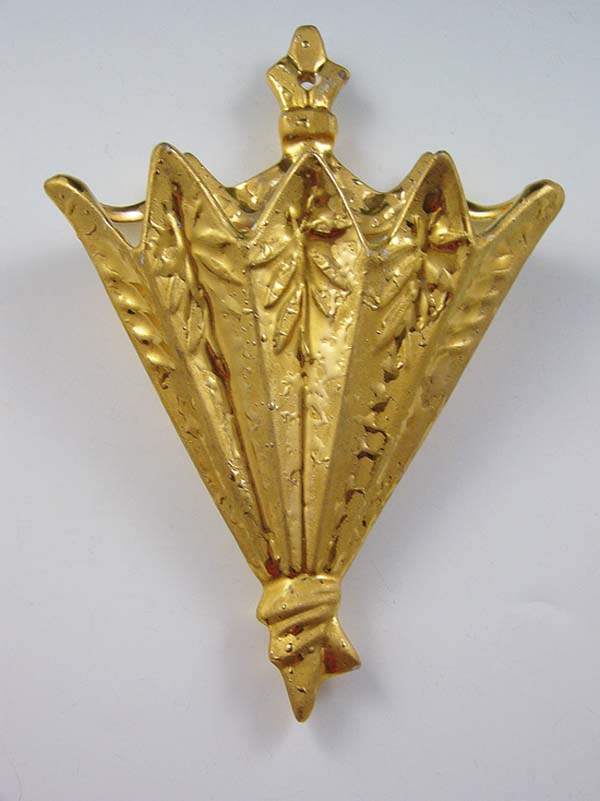
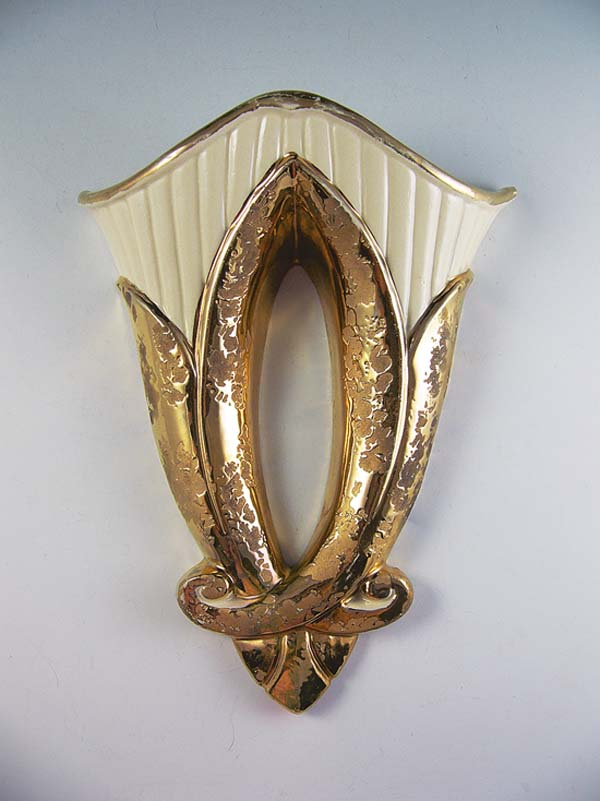
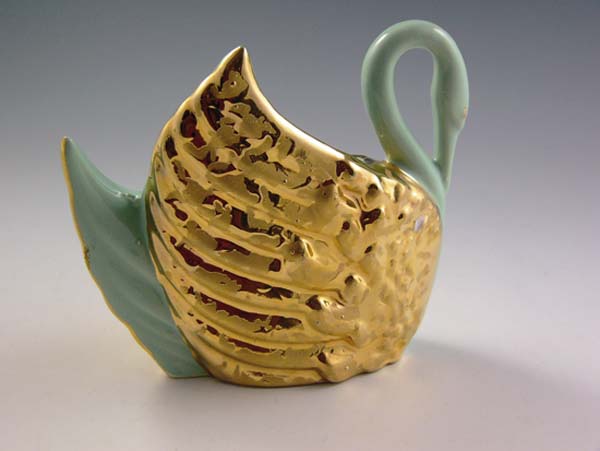
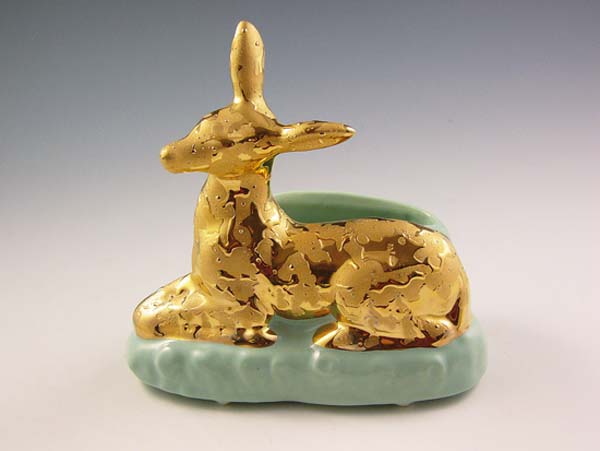
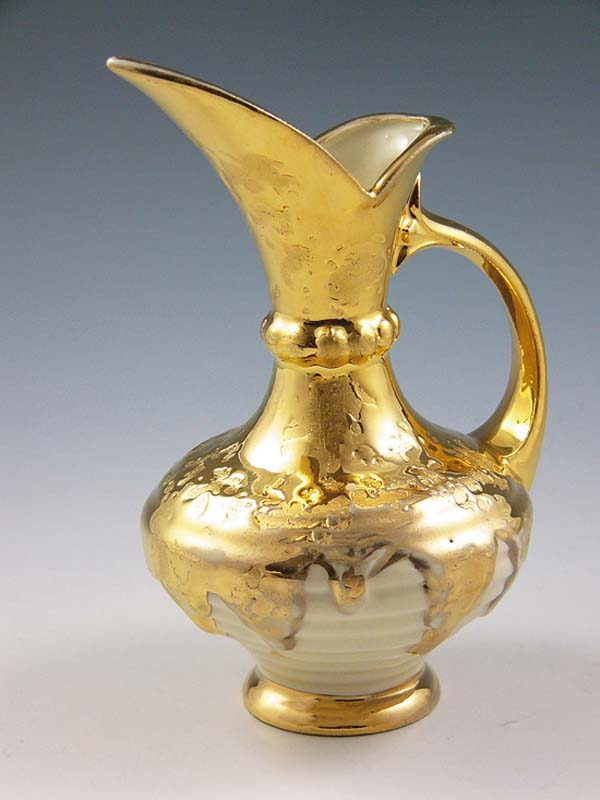
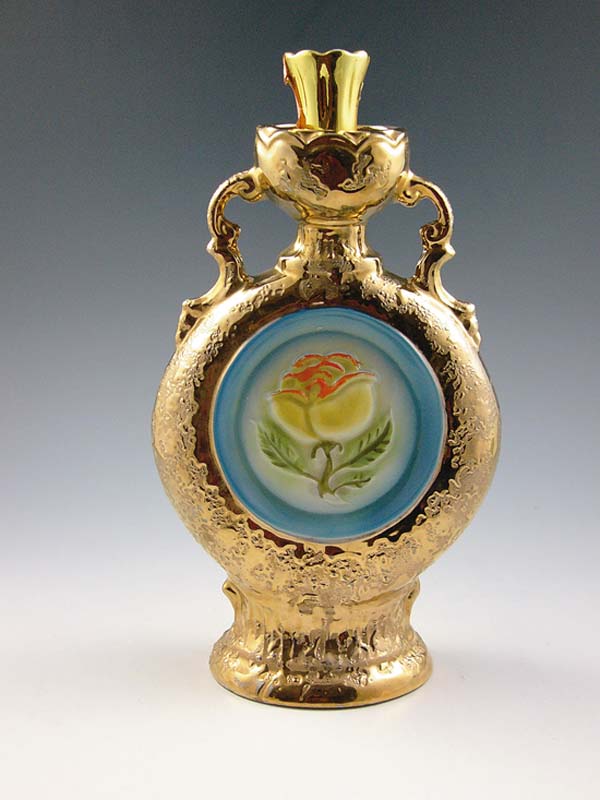
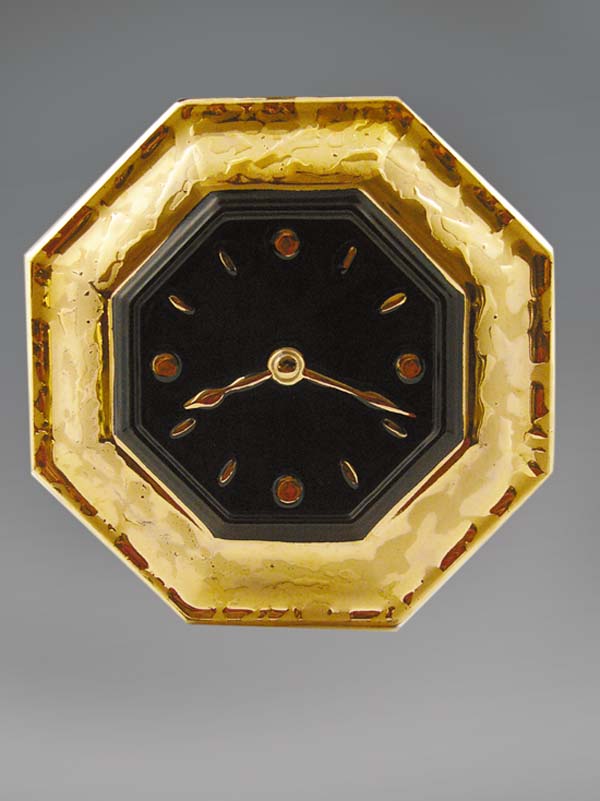
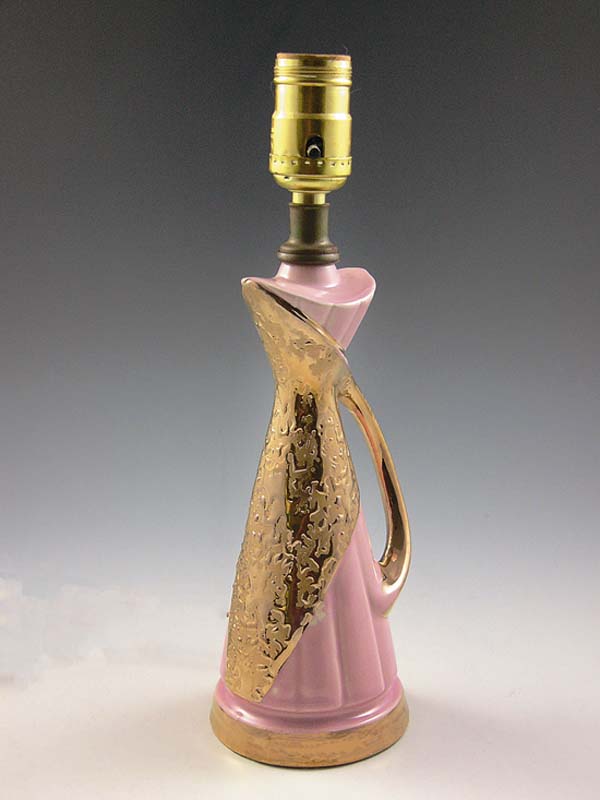
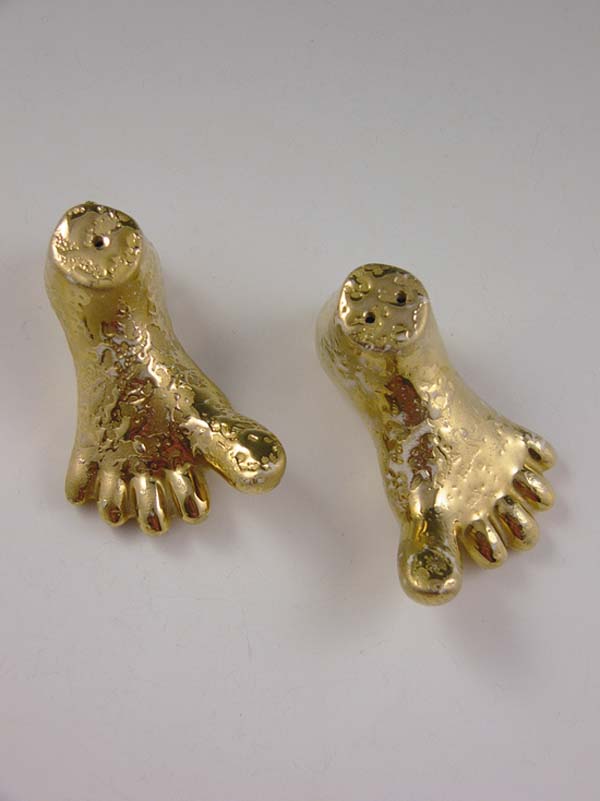
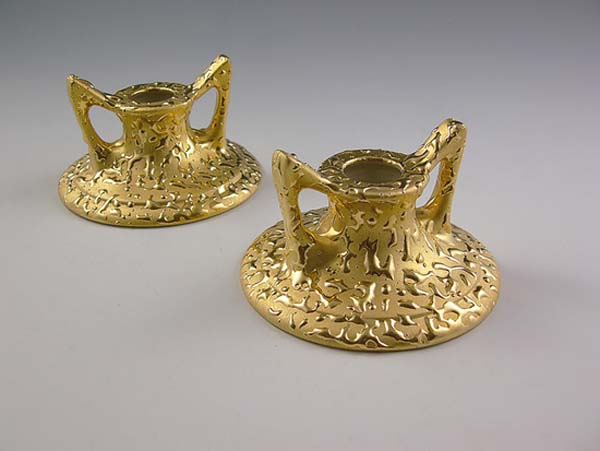
Who says theres no truth in advertising? Weeping Gold Pottery delivers exactly as promised. Theres actually gold (22k or 24k, depending on the manufacturer) in the glaze. And, due to a unique glazing process, that gold does appear to weep (or, to put things less elegantly, to drip. But Dripping Gold doesnt have quite the same ring to it.). The golden age of Weeping Gold Pottery was the 1950s, when its gleaming brilliance made the pottery stand out from other, more staid decorative ware. Weeping Gold added just the right zing to 50s-modern surroundings. Why settle for pottery vases, planters, wall pockets, and pitchers in tame everyday colors? Thanks to Weeping Gold, you could have those same objects and shapes in glazes guaranteed to dazzle. Although a number of companies in the 50s released versions of Weeping Gold, the basic technique made its debut in the 1940s, at Kingwood Pottery of East Palestine, Ohio. A two-stage glazing process was utilized. In the first stage a textured glaze was applied. That texture was achieved by daubing the pottery greenware with random bits of wax before glazing. During firing, the hot wax left the areas it had covered with a matte finish, while the rest of the object remained glossy. The pottery was then chilled, in preparation for a second glaze. Once coated with gold-infused paint, the pottery was fired again. The molten gold wept over both the glazed and matte portions of the piece, resulting in the bumpy, mottled gold finish characteristic of Weeping Gold. Kingwoods 22k Weeping Gold products were not heavily promoted, so initial sales were minimal. Then came the 1950s. Other potteries, in their search for visually exciting products that could be marketed as something new, pounced on something old: Weeping Gold. Because the multi-step glazing process had not been patented, enterprising manufacturers found themselves able to churn out similar shiny products without jumping through a series of legal hoops. And, despite its luxurious gold-infused appearance, Weeping Gold pottery proved surprisingly affordable to mass-produce. Major participants in the production gold rush were Deena Artware of Paducah, Ky., and Ohios McCoy Pottery. Deenas variation on Weeping Gold was known as Savoy China and popularized a two-toned finish. A portion of the piece was glazed with 24k gold; the remainder was traditional glazed porcelain. Savoy products included a variety of vases, ewers, pitchers, planters, and tea sets. And, unless scrubbed away by diligent 50s housewives, Savoy pieces still carry an easy identifier: a paper label. Best known of the gold-diggers is McCoy. However, McCoys version of Weeping Gold was just one of the companys numerous decorative lines. Introduced in 1957, McCoys Sunburst Gold also boasted the use of 24k gold in its glaze. Among the many pieces in its inventory were ashtrays, sugar-and-creamers, and candy dishes. In many cases, very little detection work is required to identify a McCoy piece: a raised or incised McCoy on the base clears up any question. But golden days cant last forever. By the 1960s, the appeal of Weeping Gold began to lose its luster. What once seemed eye-catching was now dismissed as gaudy and out of keeping with the more informal trends of 1960s home dcor. Fortunately for todays collectors, theres still gold in them thar hills. Since so many Weeping Gold pieces were produced, in so many variations, chances are youll find more than a few lurking at your nearest antique store or yard sale. In the market for a Weeping Gold shoe? A planter playing host to a Weeping Gold deer? How about a Weeping Gold lamp? Or a pair of Weeping Gold salt-and-peppers in the shape of feet? Although many items are unmarked, each offers its recognizable glint of gold, ready to accent any environment. And the prices will definitely have you shedding tears of joy: most are in the $30 to $50 range. Weeping Gold Pottery. Its definitely worth its weight in gold. Weeping Gold pottery courtesy of Larry Hunt. Photo Associate: Hank Kuhlmann. All photos by Donald-Brian Johnson. Donald-Brian Johnson is the co-author of numerous books on design and collectibles, including Postwar Pop, a collection of his columns. Please address inquiries to: donaldbrian@msn.com.
Share & Print






SHARE
PRINT