Where Theres Smoke: Smoking Heads Ashtrays
By Donald-Brian Johnson - October 16, 2026
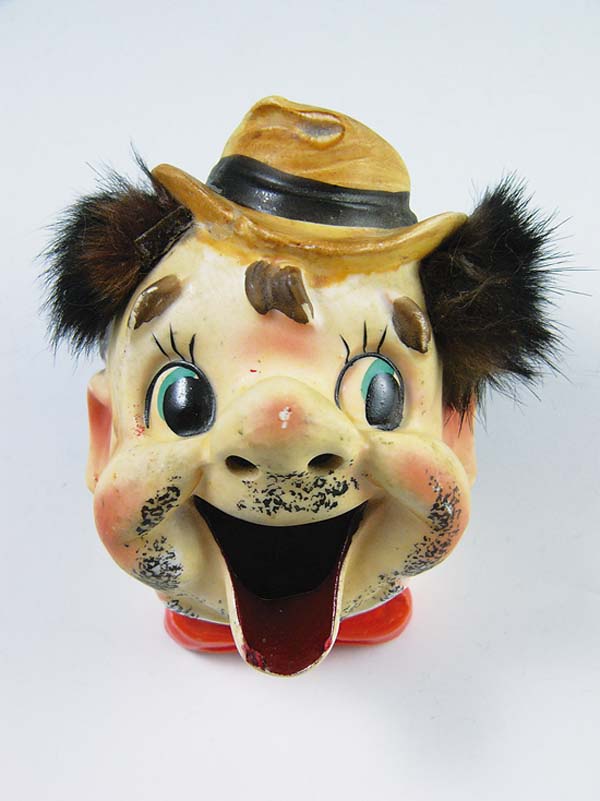
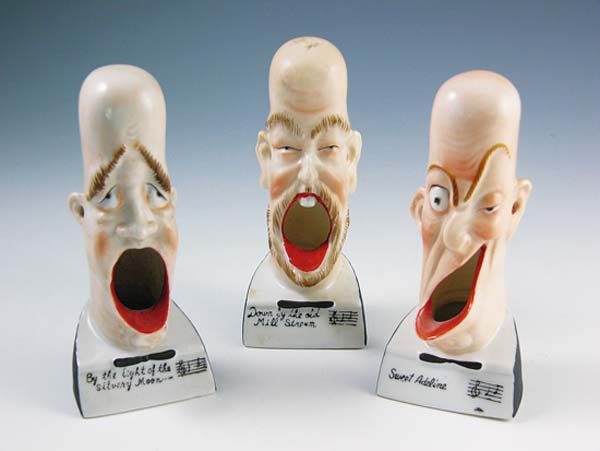
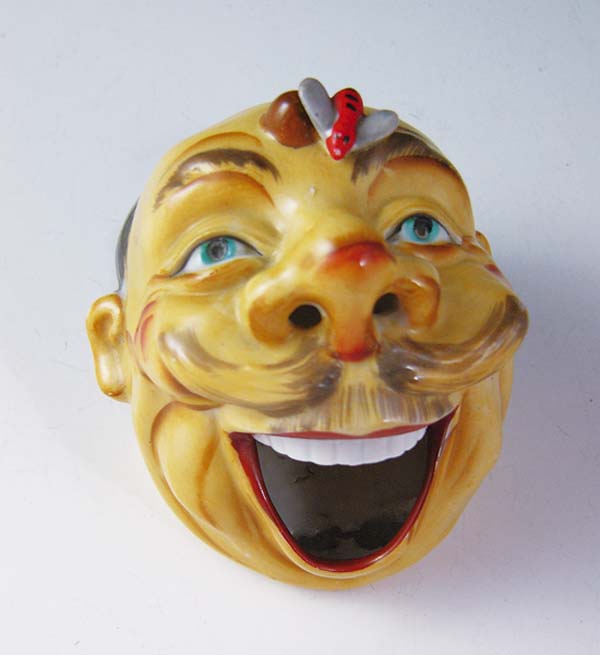
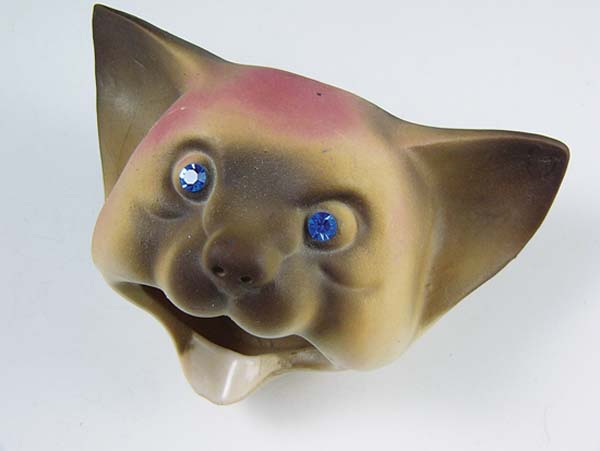
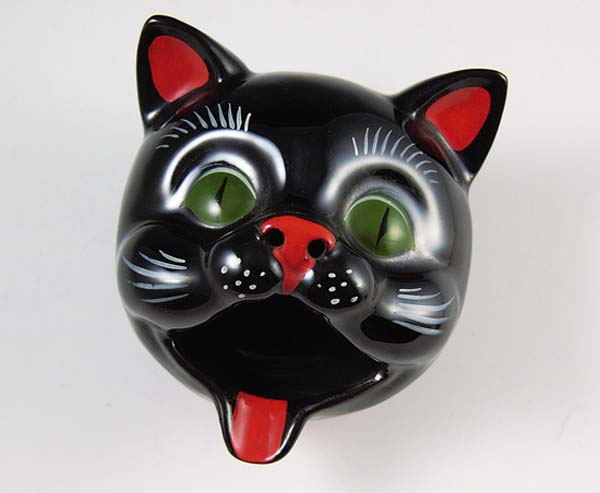
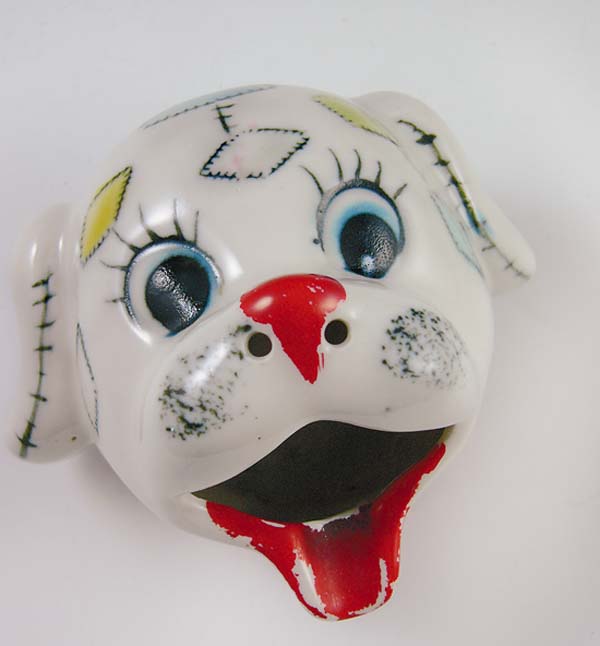
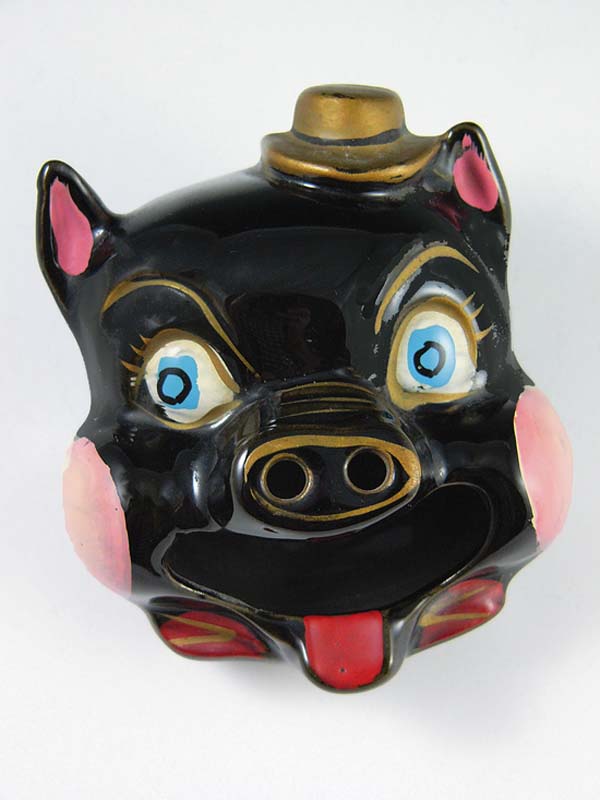
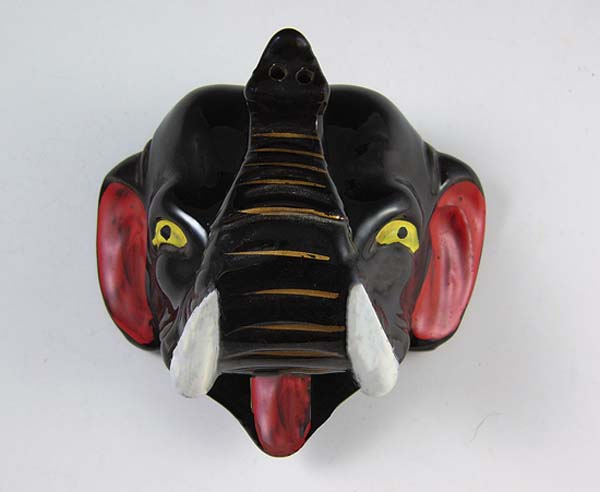
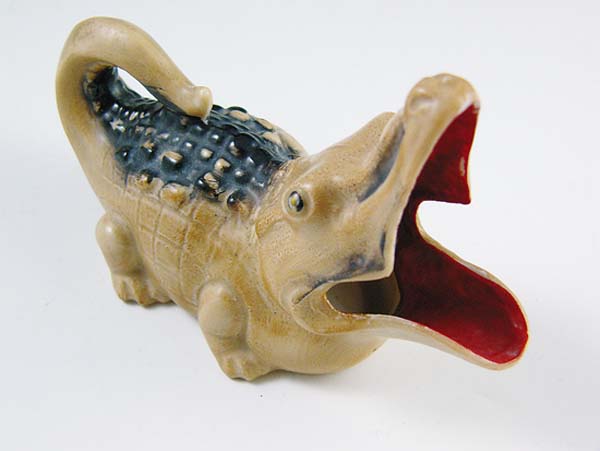
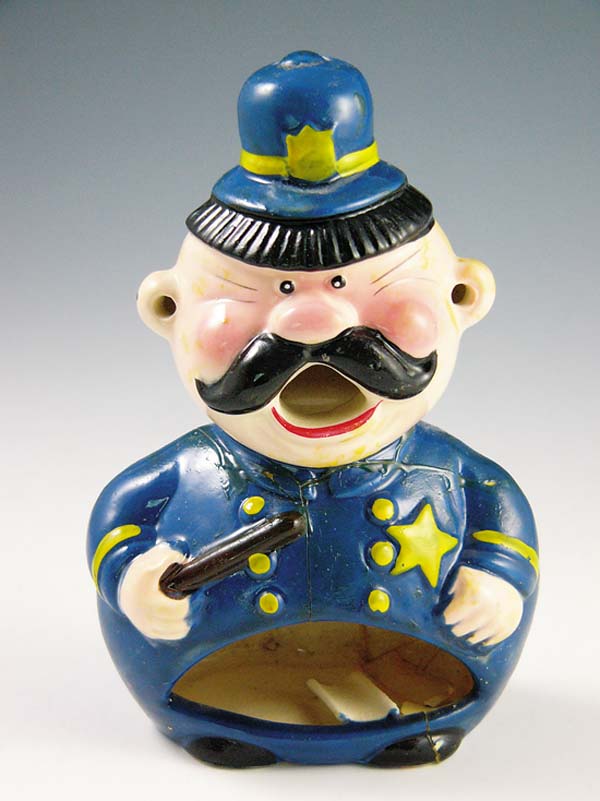
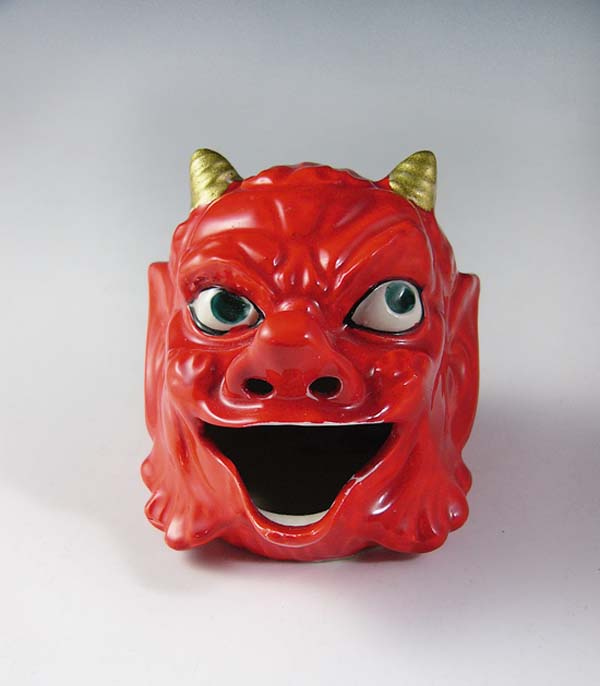
Ashtrays. Once upon a time, they were a necessity of life. During most of the mid-20th century, if you had company over and no ashtrays were handy, you could pretty much prepare yourself to later find stubbed-out cigarettes in the candy dish, doused cigarettes in nearly-empty bar glasses, and, every now and then, a tiny cigarette burn on the carpet. So, ashtrays were a necessary evil. Most giftware companies of the 1950s and 60s produced at least a few ashtrays, and designers ranged from Sascha Brastoff to Michael and Frances Higgins. The ashtrays came in all sizes, shapes, colors, and compositions. Tiny dinner dwarfs were designed to go by each dining room place setting, and huge 10 by 14-ers were just right for the center of the card table. Glass ashtrays, ceramic ashtrays, metal ashtrays and faux-wood ashtrays were mass-produced to make their presence more palatable. Many ashtrays were intentionally designed to provide attractive accents wherever they were placed (at least when empty!) Although novelty ashtrays occasionally attracted buyers (one even featured a mini-roulette wheel), true novelties, ashtrays that depended almost entirely on comic effect for their appeal, were few and far between. And then Smoking Heads hit the market. Sometimes known as Big Mouths, the Smoking Heads were exactly as advertised. Ranging from 4 to 6 inches in height, the heads were made of hollow porcelain. A lit cigarette was placed in the heads open and big mouth (lit end inside, which when you think about it, doesnt seem very comfortable). Then, you gleefully watched cigarette smoke vent from holes in the figures nostrils (and sometimes ears). A variation, the complete figure. Here, the cigarette receiver was at the belt or base, but the smoke still trickled forth from the head. Smoking heads were colorfully painted and invariably sported comic expressions. Of course, every good comedy needs at least some basis in reality, and head designers did their best to answer the question more than a few folks puzzled over: why are all those huge mouths gaping open? The poses provided some of the answers. Heads with oversize smiles were obviously happy (very happy). Other heads seemed to be singing at full throttle. Or yawning, with mouths stretched as widely as possible. A few were even yodeling. If a smoker was in the form of an animal, why then it might have been panting (dogs), or snapping (alligators), or ferociously roaring (gulp, lions)! The most-often-used explanation: Theres a bee in my bonnet! Or at least crawling across my face! Numerous big mouths feature a bee on the figures forehead, prompting an anguished (and big-mouthed) outcry from the unfortunate victim. And even animals werent safe: plenty of animal smokers also seem to be bothered by the bees. Smoking heads embraced a wide variety of characters. There were happy hobos, pixies, pirates. Even the occasional exasperated orchestra conductor (which would explain the steam coming out of his ears). Additional animal kingdom representatives included cats, pigs, chickens, donkeys, and occasional elephants. Big mouths were mass produced, so many remain readily available at antique shops and shows, as well as from eBay and other internet sources. Most smokers were Japanese imports, although Shaffer & Vater, a German company, created several of the more desirable figures. One and all, however, are guaranteed to put a smile on your face, as will their prices, averaging from $25 to $75. So thats another good reason for starting a big mouth collection (as if you really needed one). But for most collectors of today, as with most buyers of the past, the sheer wackiness of a smoking head is really the only selling point needed. Think about it: how many homes can you visit nowadays where youll encounter a happy hobo with smoke steaming from his ears? Mmm-hmmm. Thought so. The journey down tobacco road may have come to a screeching halt, but the novelty of a smoking head ashtray continues to delight. Smokers courtesy of the Mark Dickmeyer collection. Photo Associate: Hank Kuhlmann. All photos by Donald-Brian Johnson. Donald-Brian Johnson is the co-author of numerous books on design and collectibles, including Postwar Pop, a collection of his columns. Please address inquiries to: donaldbrian@msn.com.
Share & Print






SHARE
PRINT