Wolfgang Amadeus Mozart Treasures From The Mozarteum Foundation Of Salzburg On View
February 13, 2026
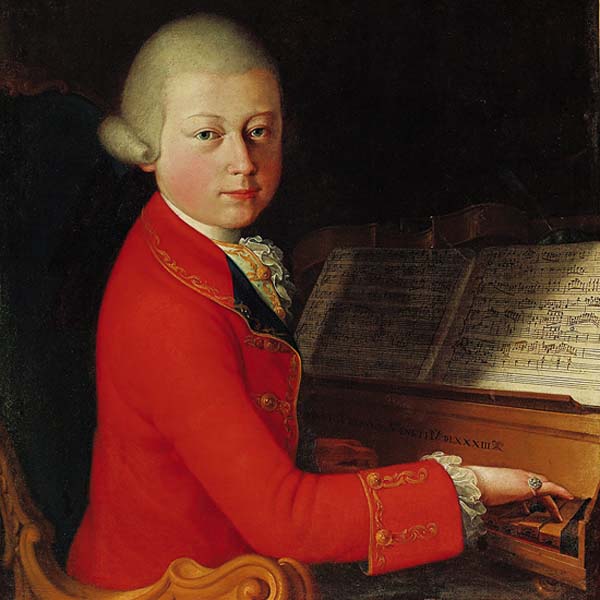
In an unprecedented collaboration, the Morgan Library & Museum and the Mozarteum Foundation of Salzburg have partnered to organize Wolfgang Amadeus Mozart: Treasures from the Mozarteum Foundation of Salzburg, an exhibition that traces the extraordinary life and enduring legacy of Wolfgang Amadeus Mozart (1756-1791). On view Friday, March 13, through Sunday, May 31, this two-gallery exhibition combines the Morgans significant holdings in Mozart manuscripts and first editions with remarkable objects, on view in the United States for the first time, from the Mozarteum Foundation of Salzburg. These include Mozarts clavichord on which he composed The Magic Flute and his childhood violin, as well as famous portraits, letters, and personal objects of Mozart and his family. Evoking the cities, homes, and people that influenced the composer, the exhibition highlights Mozarts many travels, his continual quest for employment and renown, tensions within his family, and his prodigious creative output amid frequent illness and other challenges. It illustrates how Mozarts career was shaped by aristocratic patronage, a context both foreign and familiar to modern viewers. In addition, it documents how the 19th century would recast Mozart as a foundational figure in the emerging idea of classical music, partly through Beethovens influence. The exhibition explores how Mozart forged deep connections with listeners during his life and examines his enduring influence after his death. At the heart of the exhibition are the artifacts, musical instruments, and Mozart family memorabilia on loan from the Mozarteum, which offer unique insight into Mozarts biography and creative process. No less compelling is a rich selection of manuscripts publicly on view together for the first time, primarily from the Morgans collection. Featuring Mozarts most familiar works in his own hand, the selection includes excerpts from operas such as The Marriage of Figaro (1786) and The Magic Flute (1791); his variations on what is now known as Twinkle, Twinkle, Little Star; and his Symphony no. 25 in G Minor, K. 183, which serves as the opening theme to the 1984 film Amadeus. The Morgan is deeply grateful to the Mozarteum Foundation for its generous partnership and for opening its vaults so that we can present this comprehensive exhibition dedicated to one of the most significant figures in Western music, said Colin B. Bailey, Katharine J. Rayner director of the Morgan Library & Museum. Mozarts influence is still heard everywhere today, from piano lessons and concerts to childrens rhymes. Anchored around Mozarts compositions, the exhibition will offer visitors an unprecedented opportunity to engage with the life and work of an artist whose music they recognize and hold dear. The exhibition focuses on the two family chapters of Mozarts life: his youth with his father, Leopold, and sister, Nannerl, in Salzburg and his adult life with his wife, Constanze, in Vienna. After Mozarts death in 1791, Nannerl and Constanze returned to Salzburg, where they, with the composers two sons, Carl Thomas Mozart and Franz Xaver Mozart, preserved and built his legacy. Their collection became the foundation of the modern-day Mozarteum. The exhibition highlights the ways in which Mozarts life and career were extraordinary even in his own time, said Robinson McClellan, Mary Flagler Cary curator of music manuscripts and printed music. It gives insight into his environment and humanizes this great composer, illuminating his loves, passions, triumphs, and sorrows. Wolfgang Amadeus Mozart: Treasures from the Mozarteum Foundation of Salzburg delves first into Mozarts childhood in Salzburg and his relationships with his family members, who were the most important influences on his early musical career. His father, Leopold Mozart, was a well-known violin teacher and the Deputy Kapellmeister at the Salzburg court. He took Wolfgang and his sister, Maria Anna (Nannerl), an exceptional pianist, on tour in Europe, where they performed for nobility and gained exposure to new musical styles across the continent. In addition to Mozarts childhood violin, items on view include his earliest compositions, among them four keyboard pieces (K. 1a through K. 1d) composed in 1761, when he was just 5 years old, as well as a series of portraits of the family. The exhibitions second act follows Mozarts Vienna years, during which he wrote many of his best-known and most important works. While in Vienna, Mozart earned income from teaching and public concert performances he called academies, which inspired many of his great masterworks, including 14 piano concertos composed primarily for these concerts. The exhibition includes the Morgans autograph manuscript of the Piano Concerto in C, K. 467, one of Mozarts best-loved and most familiar works, among others. In his final five years in Vienna, Mozart composed five major operas, all created in collaboration with librettist Lorenzo Da Ponte, that took opera buffa (Italian comedic opera) to new artistic heights. Mozart completed two more masterpieces in the autumn of 1791. Mozart died in December 1791, leaving behind around 150 unfinished works. To learn more, call 212-685-0008 or visit www.themorgan.org.
Share & Print






SHARE
PRINT