Words To Live By: Those Wooden Wall Plaques Smack Dab In The Middle: Design Trends Of The Mid-20th Century
By Donald-Brian Johnson - November 21, 2025
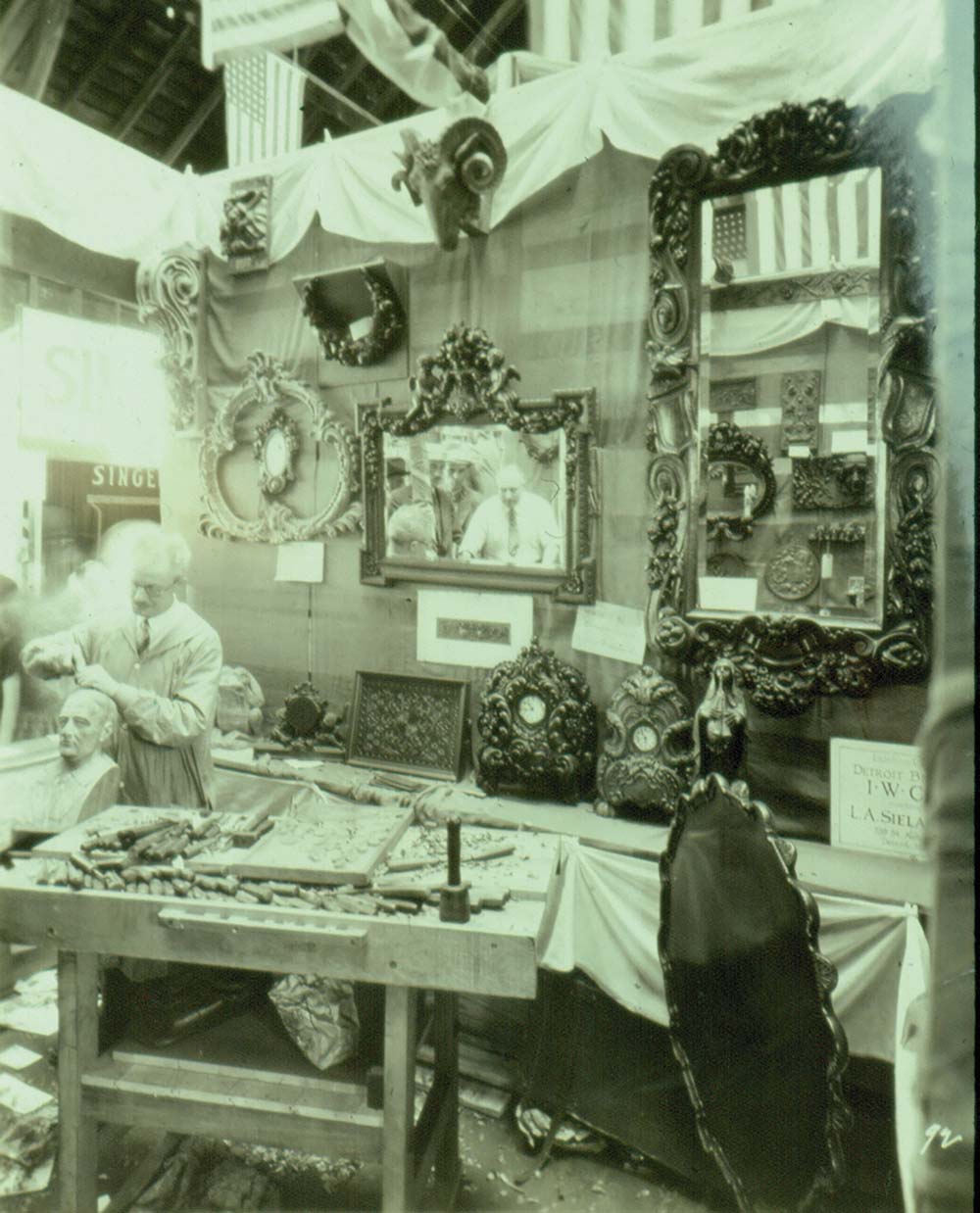
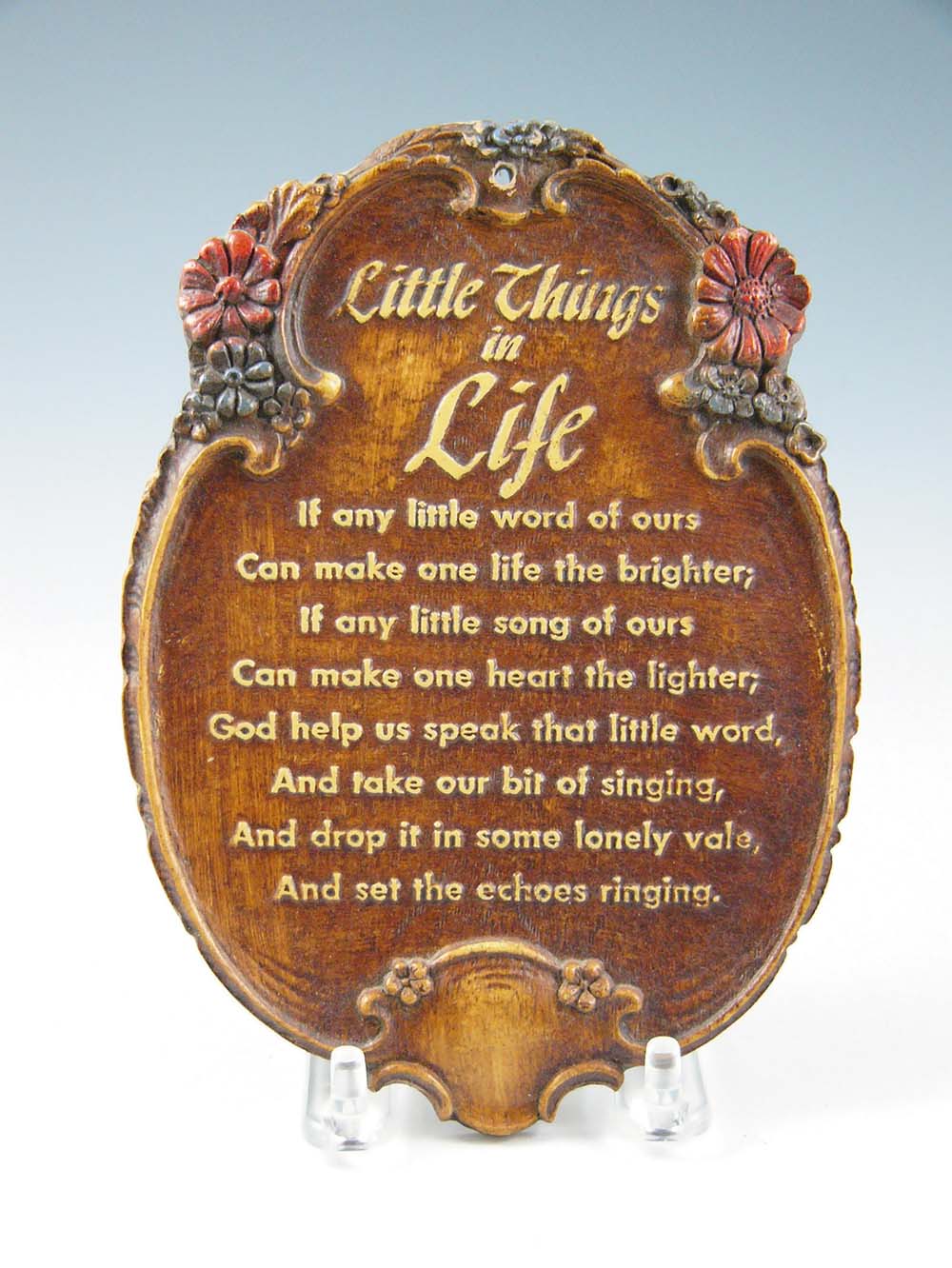
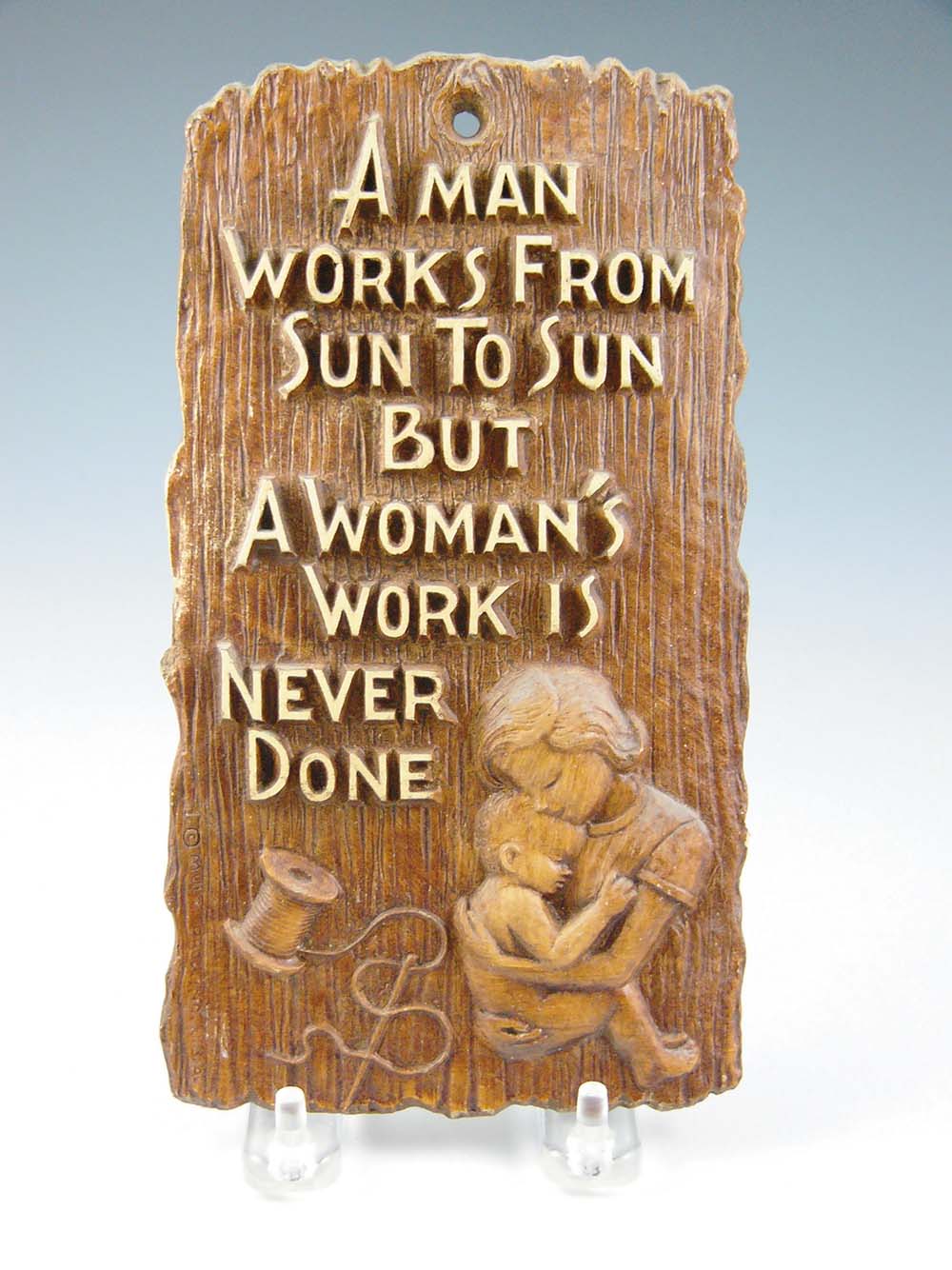
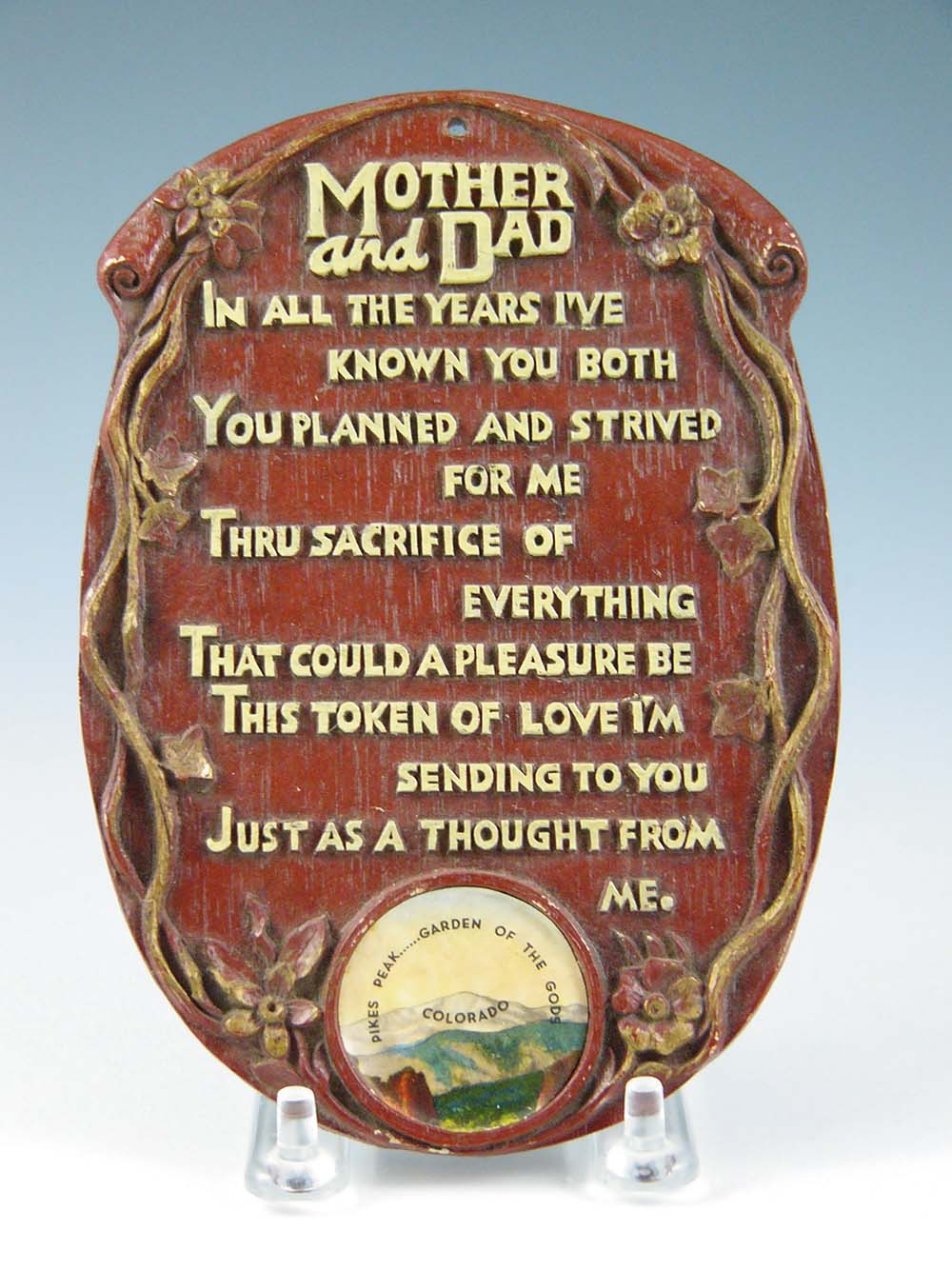
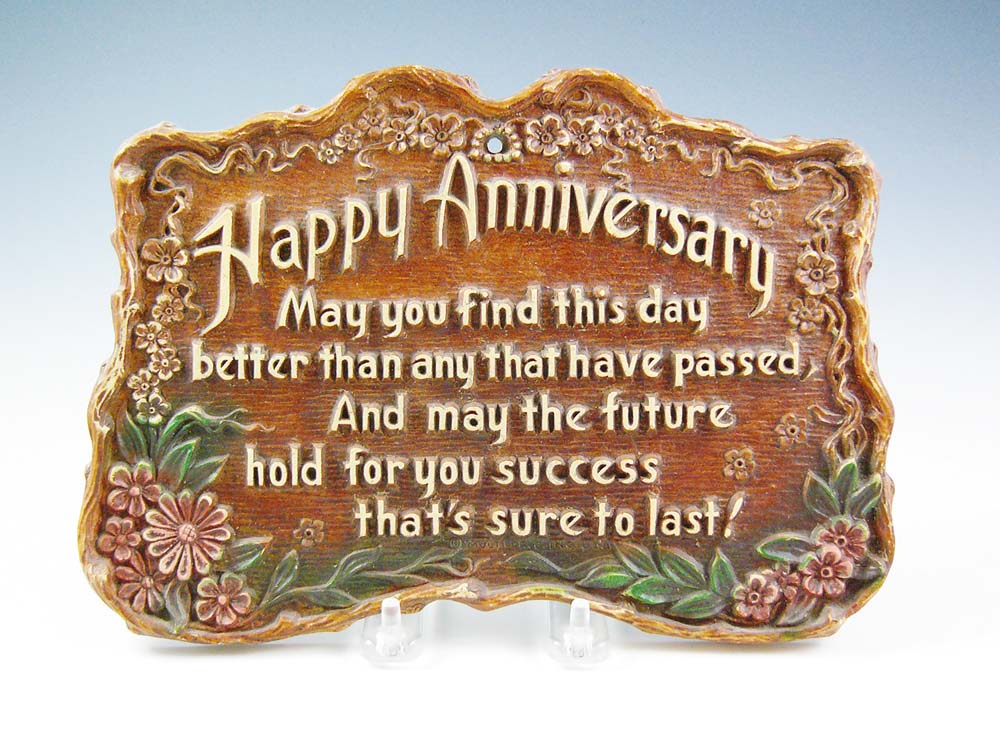
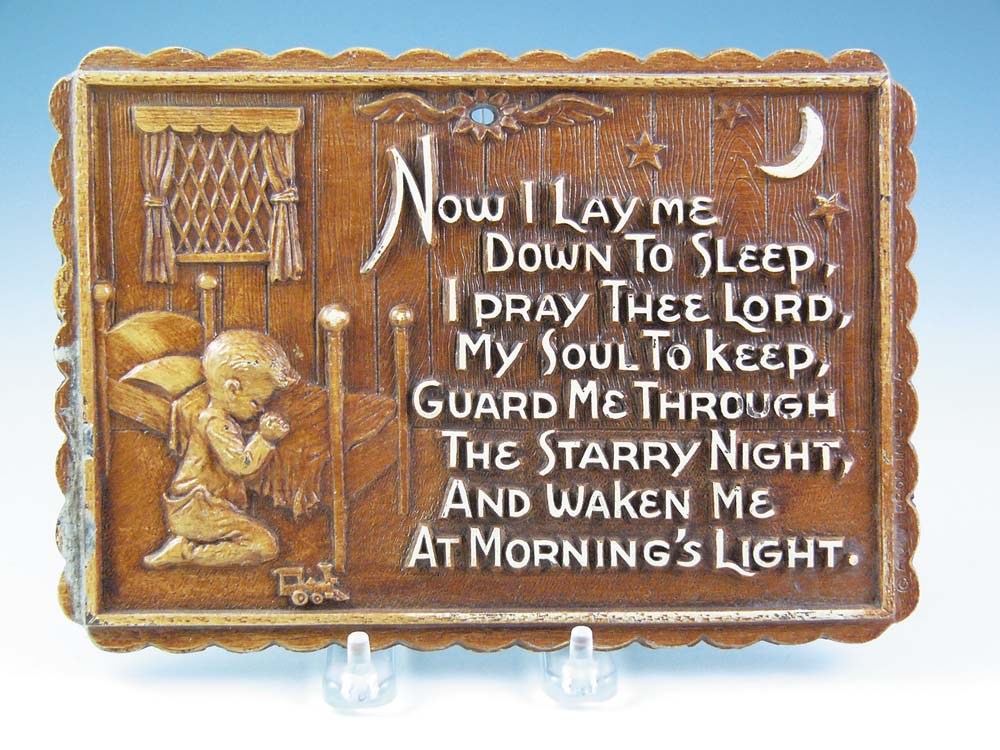
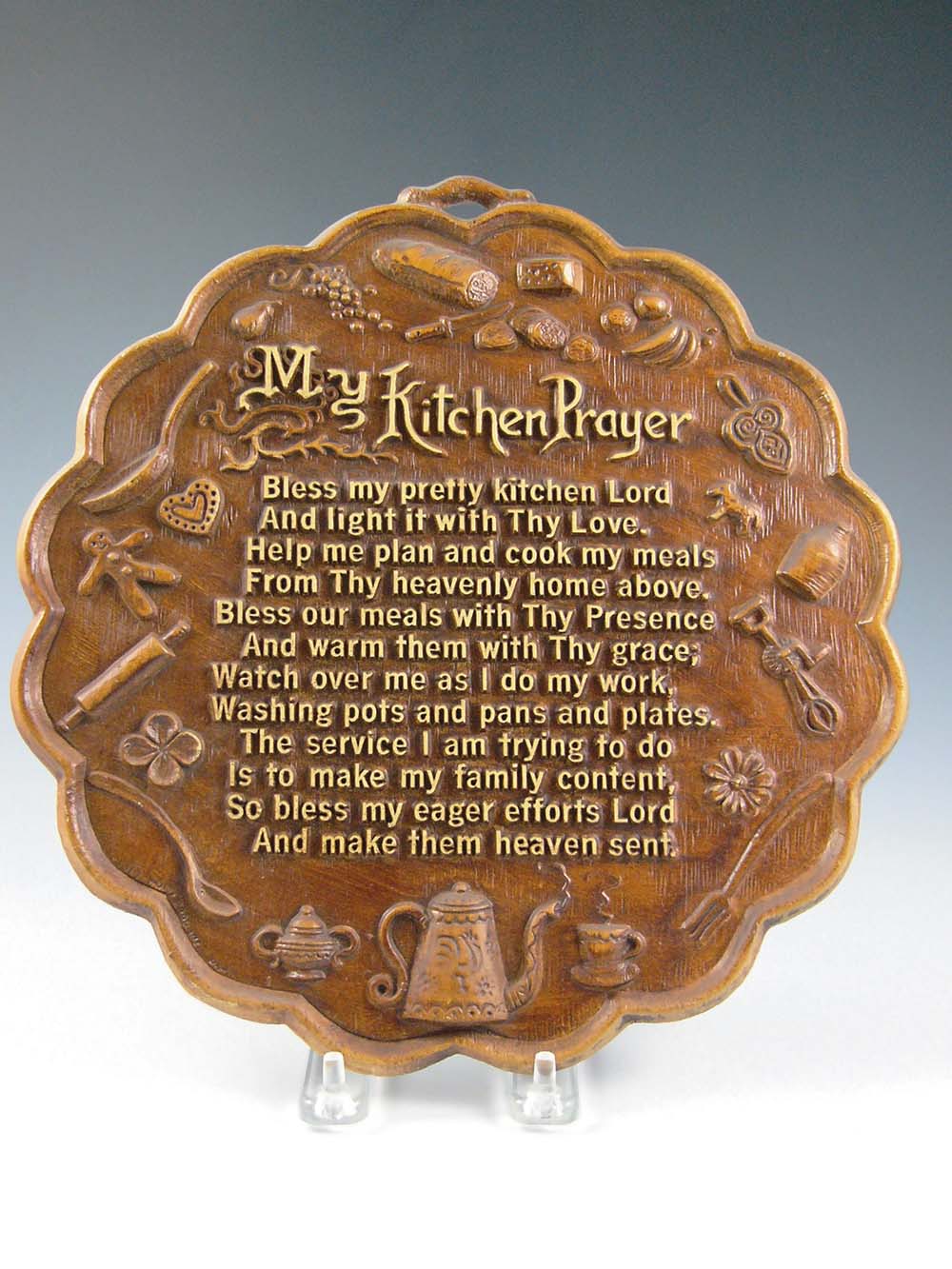
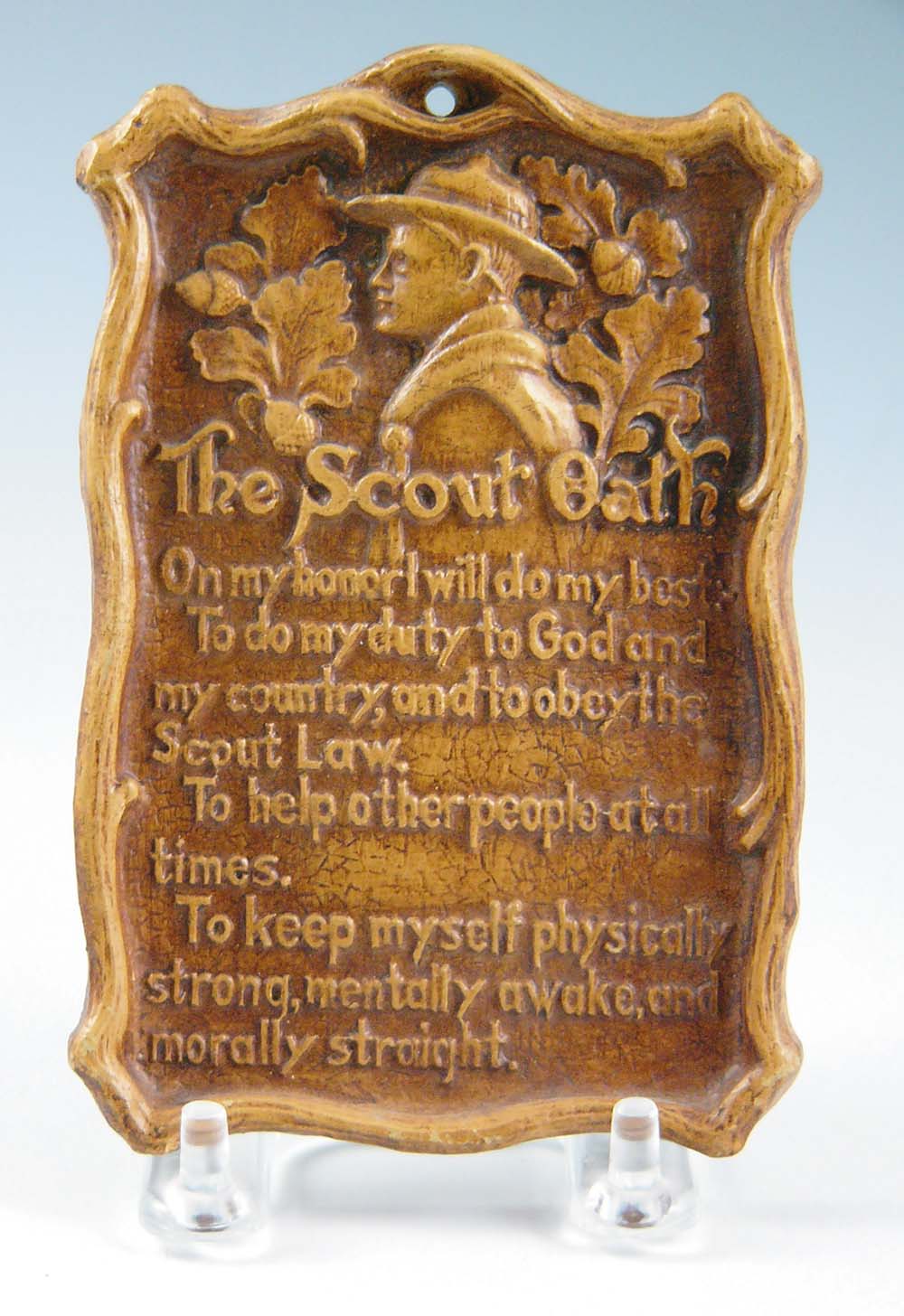
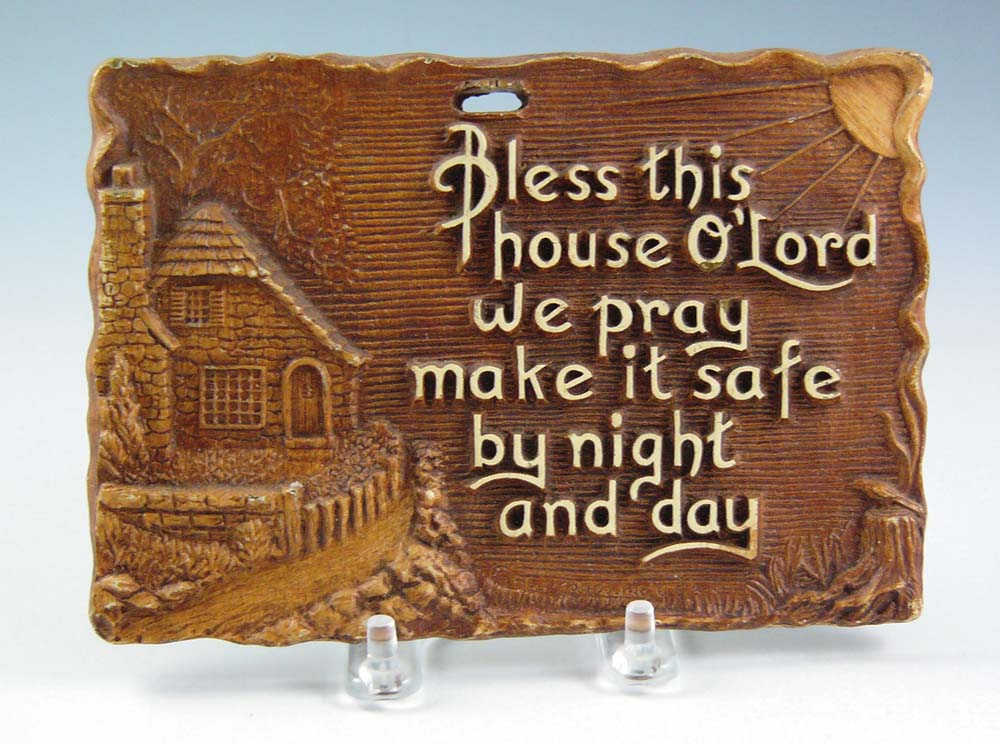
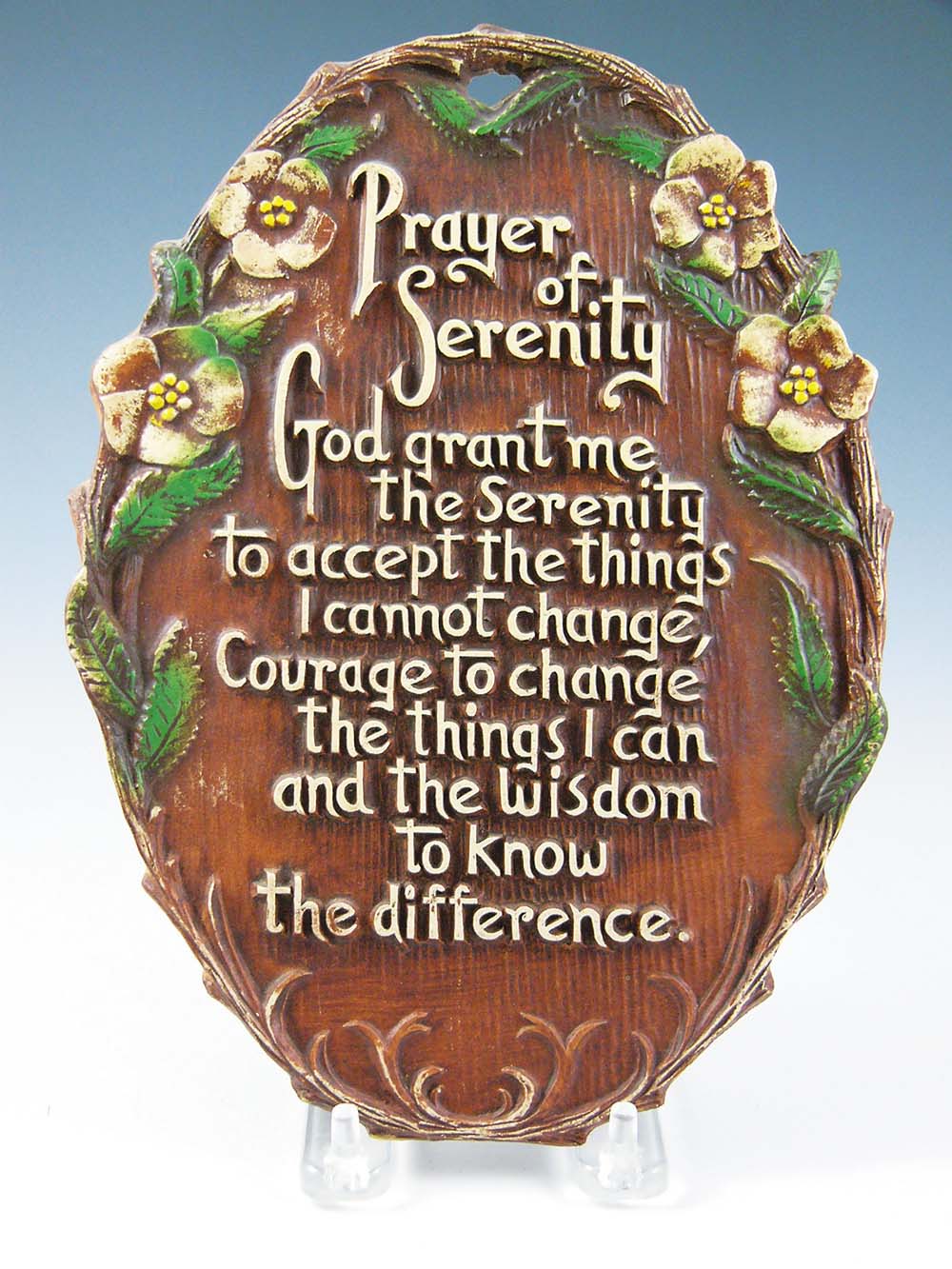
A penny saved is a penny earned. A stitch in time saves nine. An apple a day keeps the doctor away. Some folks call them mottos. Or proverbs. Folk sayings. Adages. Often, they have a definite ring of truth (after all, if you save a penny, then you do indeed have one more than you started with). Other times, maybe not so much. (Im pretty sure that apple/doctor thing doesnt really work.) Words to live by like these creep their way into our consciousness and often into our conversations. If you tell someone every cloud has a silver lining, you know exactly what youre saying, and they know exactly what you mean. Youve taken a short cut on the road to communication. Kinda trite? Well, maybe, but hey, If it aint broke, dont fix it. Words to live by have been with us for a long, long time. Proverbs have been found on tablets carved by ancient Sumerians in 2000 B.C. There are plenty of proverbs in the Bible (and not just in the Book of Proverbs). Ben Franklin loved them. And, in the 19th century, seamstresses perfected their needlework by stitching proverbs into samplers. By the mid-20th century, those words to live by made their way into American homes, thanks to wall plaques. When folks found themselves in need of advice, encouragement, a smile, or a just a pick-me-up on a dreary day, there it was, staring them right in the face. Gazing at a wall plaque from the 1930s or 40s, you cant help but admire the hand-carved lettering and images, often highlighted with color accents, on burnished wood backings. But even though the plaques looked hand-carved, and of real wood, they actually werent. The plaques were actually molded, pressed wood creations, putting them within the reach of almost every pocketbook. Many companies specialized in these items (Burwood, Ornawood, Orn-A-Craft, Multi-Products), but leading the pressed wood pack was Syroco, the Syracuse Ornamental Company of Syracuse, N.Y. Due to its dominance, Syroco has since become generic shorthand for all types of pressed wood products, regardless of maker. In 1890, the skills of Syroco founder, accomplished carver Adolph Holstein, were in great demand, as homes of the time called for ornately carved woodwork. More master carvers were hired, but the time-consuming process of hand-carving limited the number of orders that could be accepted. The solution? Syrocowood! Holstein and staff would create a master carving, cast a mold, then cast replicas from that. Since only one master carving was required for each design, both production and affordability were greatly enhanced. The authentic wood effect was enhanced by carving each master from the specific type of wood its replicas were intended to resemble. A lead mold was cast from the carving, with the surface textured as per the grain of the original wood. The mold was then filled with a mixture of wood flour, waxes, and resins, and compressed. After removal from the mold, sanding removed mold lines, and the piece received either multi-color decoration or a natural wood stain. As highly ornamented furniture and molding trim fell from favor, Syroco sought new avenues for its product. In the 1930s, the Syroco line of wood-like novelty items made its debut. Soon, Syroco (and its competitors/imitators) flooded the market with knickknacks ranging from pressed wood book ends and brush holders to coin trays and corkscrews, pipe racks, and plaques. Billed as just right for elegant living and gracious giving, pressed wood plaques made great souvenirs. On many, there was a molded circular space for a decal heralding the specific vacation spot where it had been purchased. Inexpensive in their day, pressed wood wall plaques still remain a very affordable collectible. Plenty offer up their words of wisdom daily on eBay, with most averaging under $25. Collectors should appreciate that. After all, a penny saved is a penny earned. Plaques courtesy of Mark Dickmeyer. Photo Associate: Hank Kuhlmann. All photos by Donald-Brian Johnson. Donald-Brian Johnson is the co-author of numerous books on design and collectibles. His favorite words to live by are the ultimate inspiration is the deadline. Please address inquiries to donaldbrian@msn.com.


Share & Print






SHARE
PRINT